What is bodyboarding?
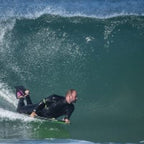
Bodyboarding is a wave-riding sport from the surfing family: you ride the wave lying on a short foam board, propelled by a pair of fins. Easier to get into than surfing for your first waves, it nonetheless leads all the way to the hollowest barrels on the planet. This guide explains what bodyboarding is, where it comes from, how it is practised, and points you to our gear guides so you can kit yourself out without getting it wrong.
The simple definition of bodyboarding
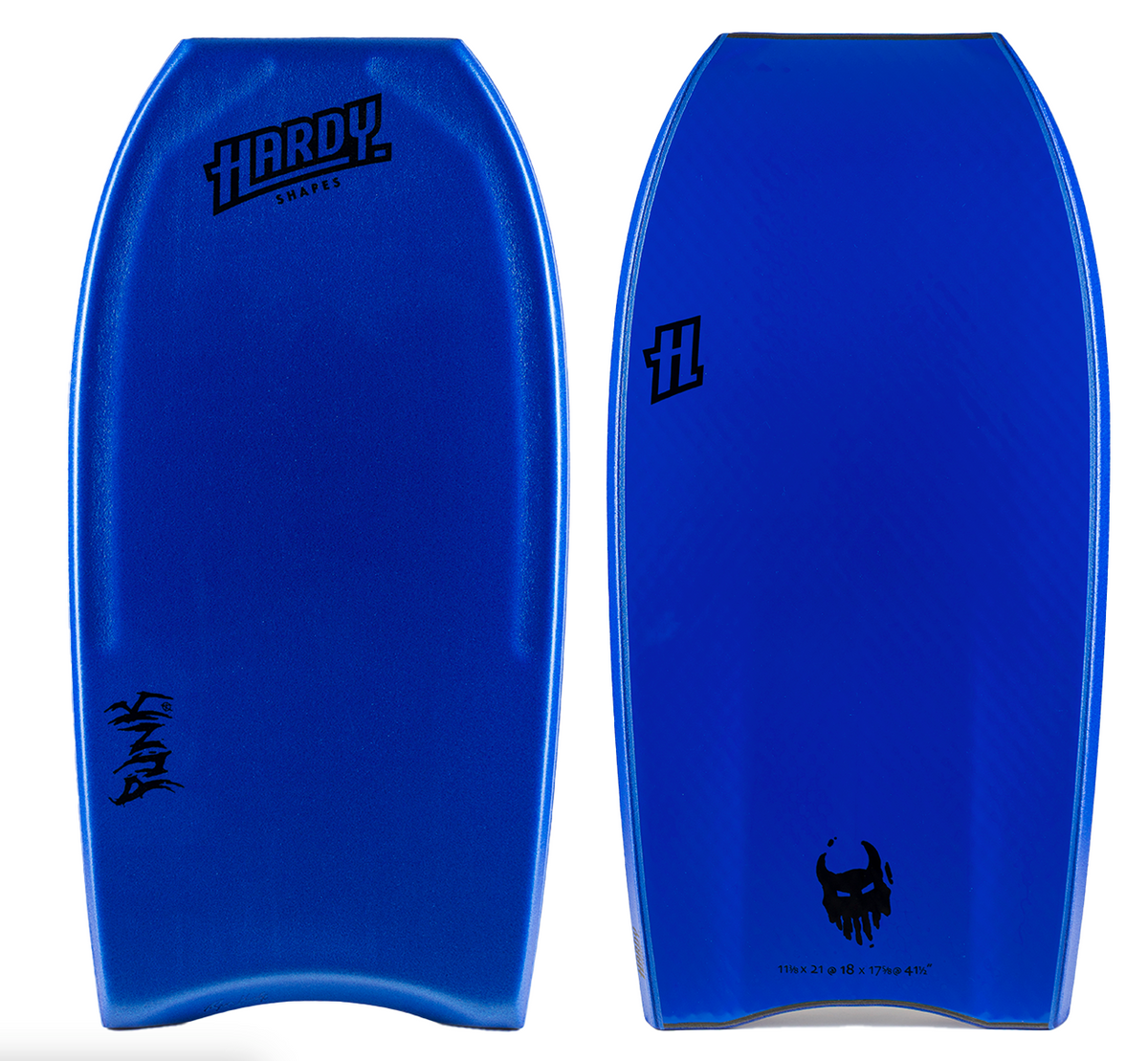
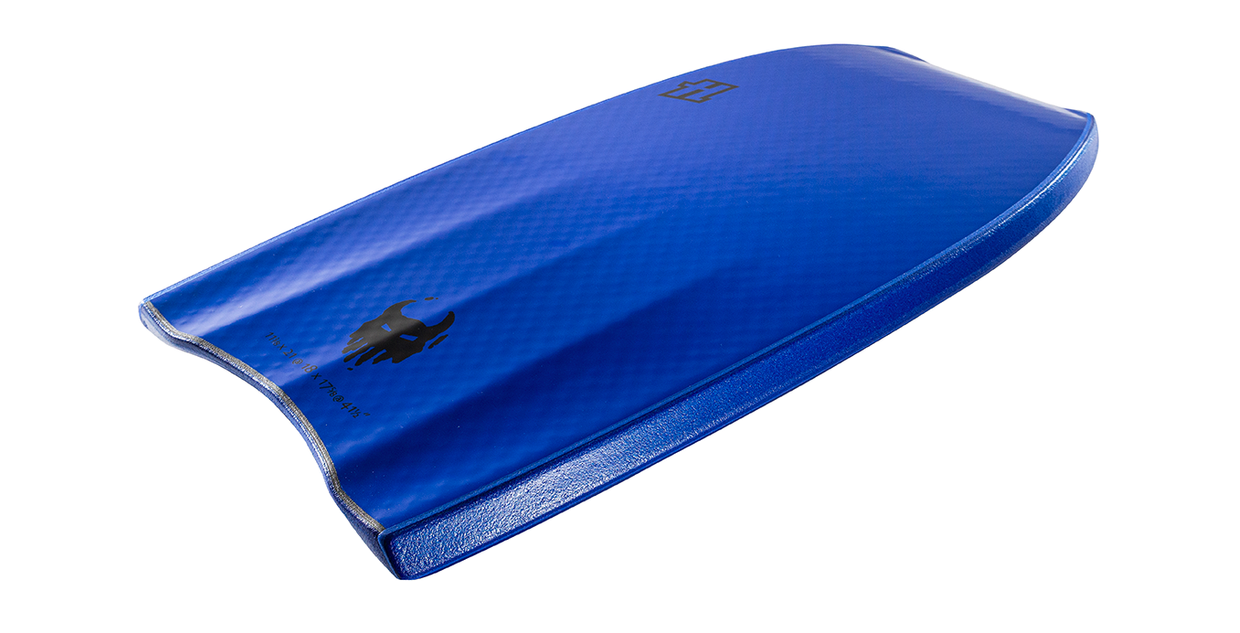
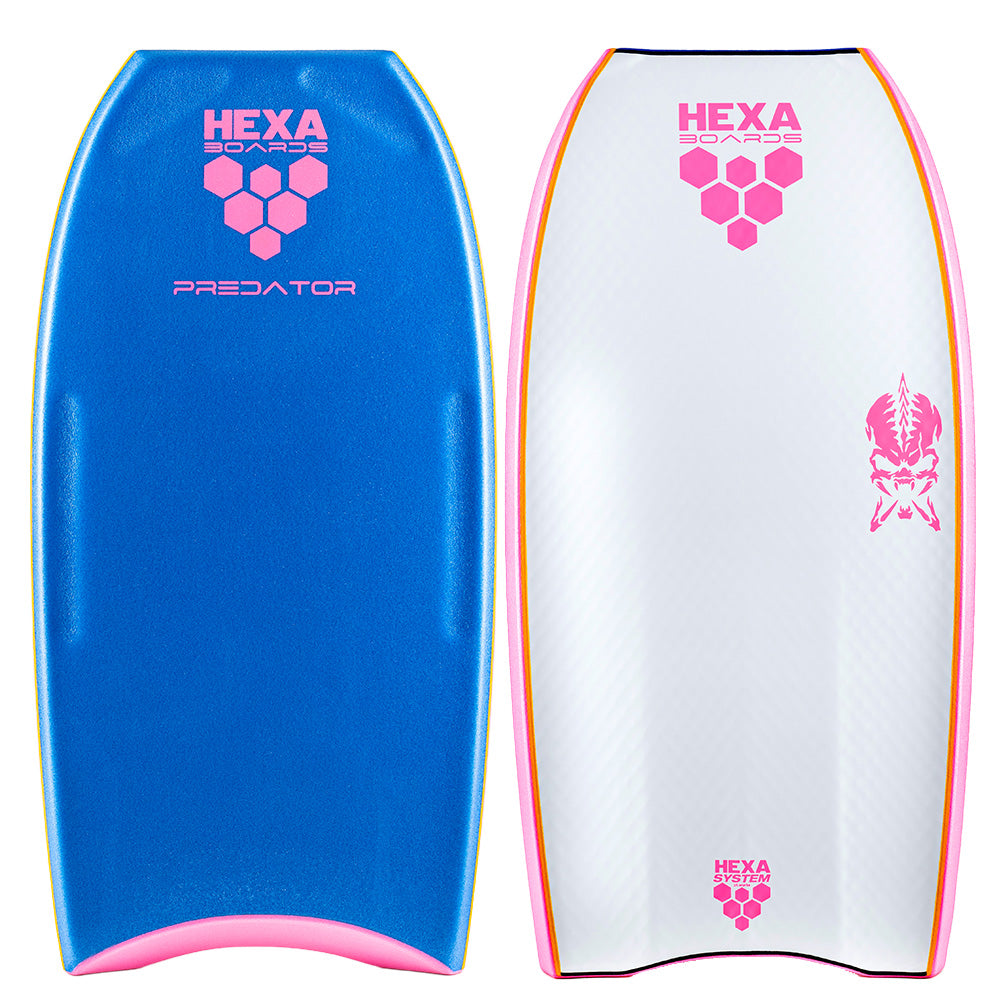
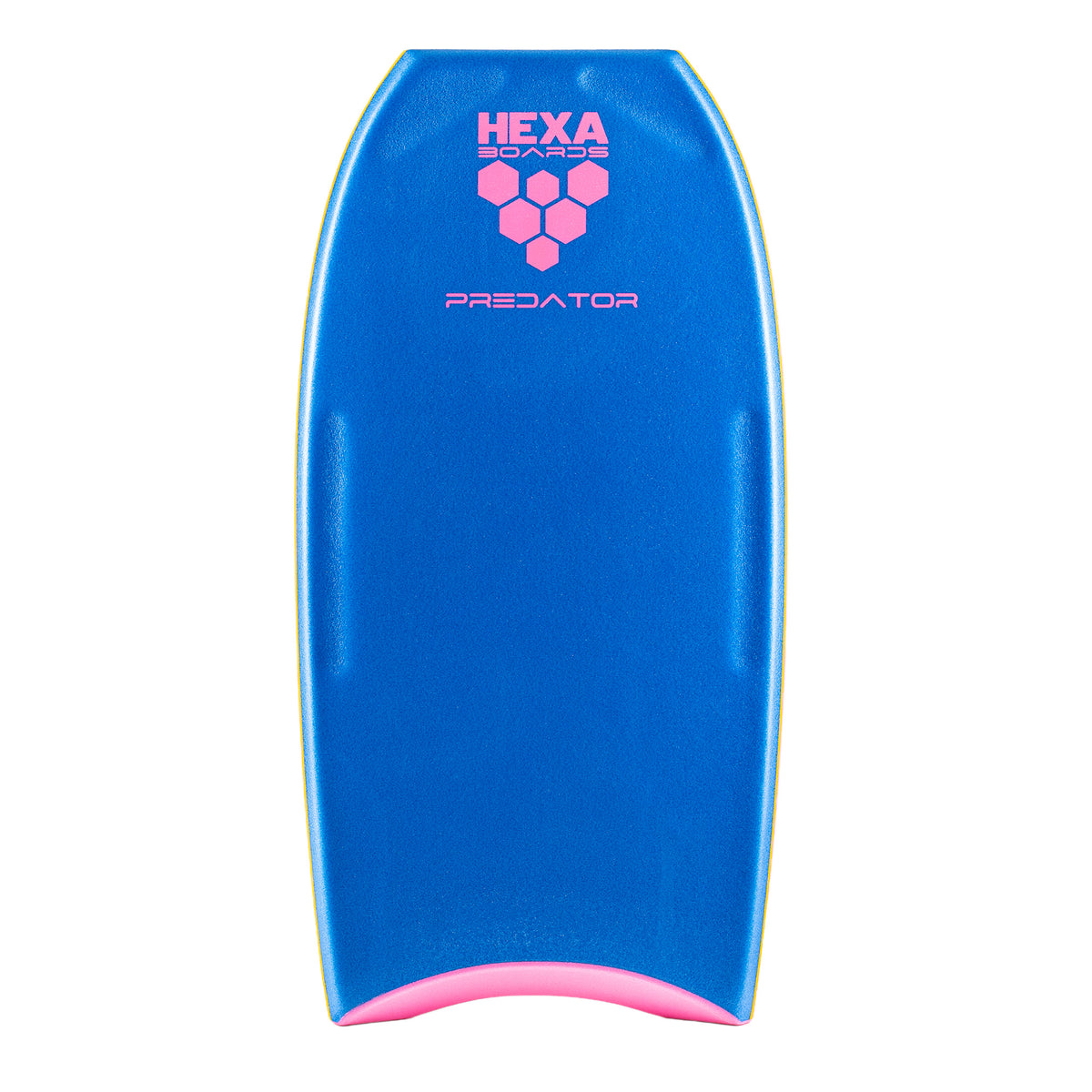
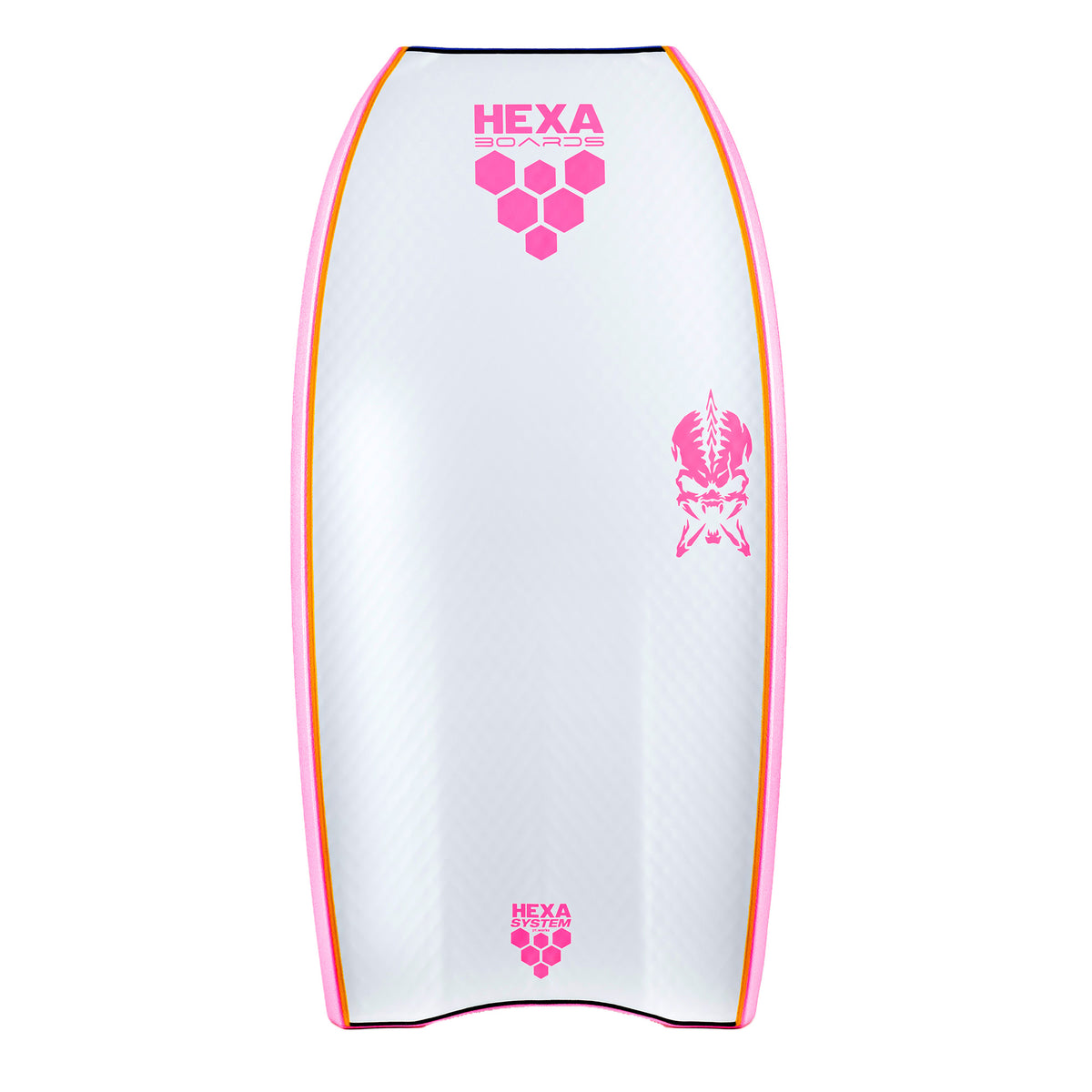
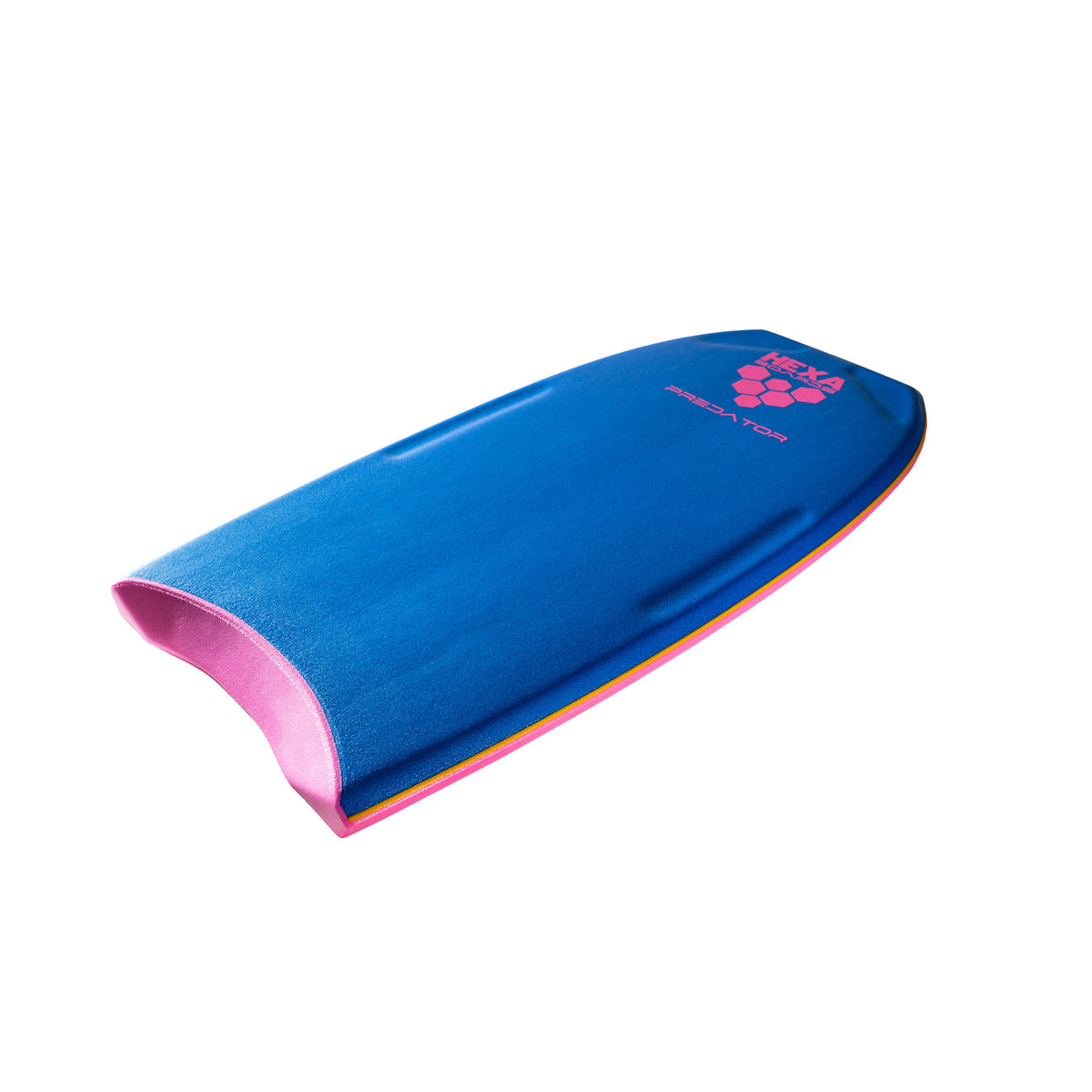
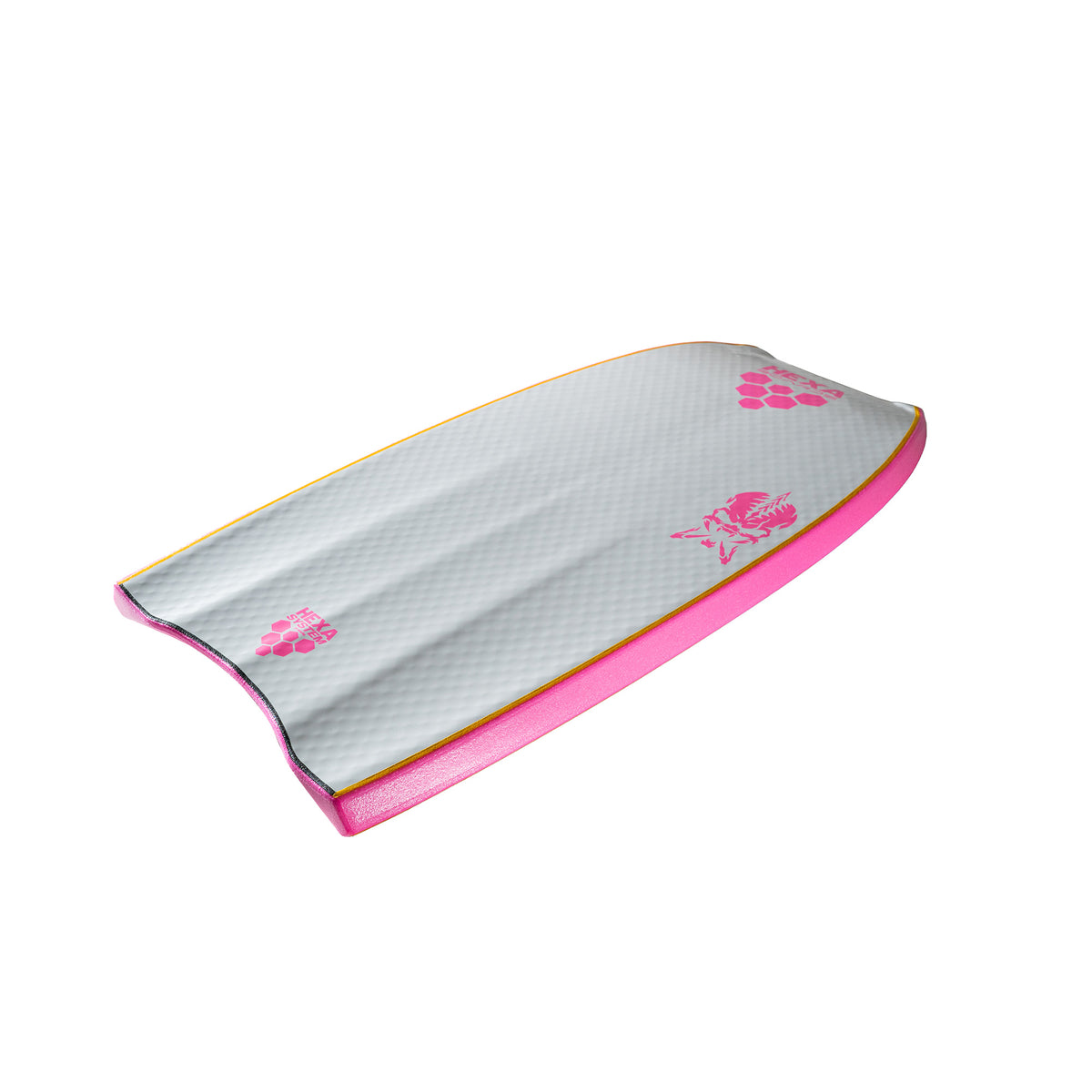
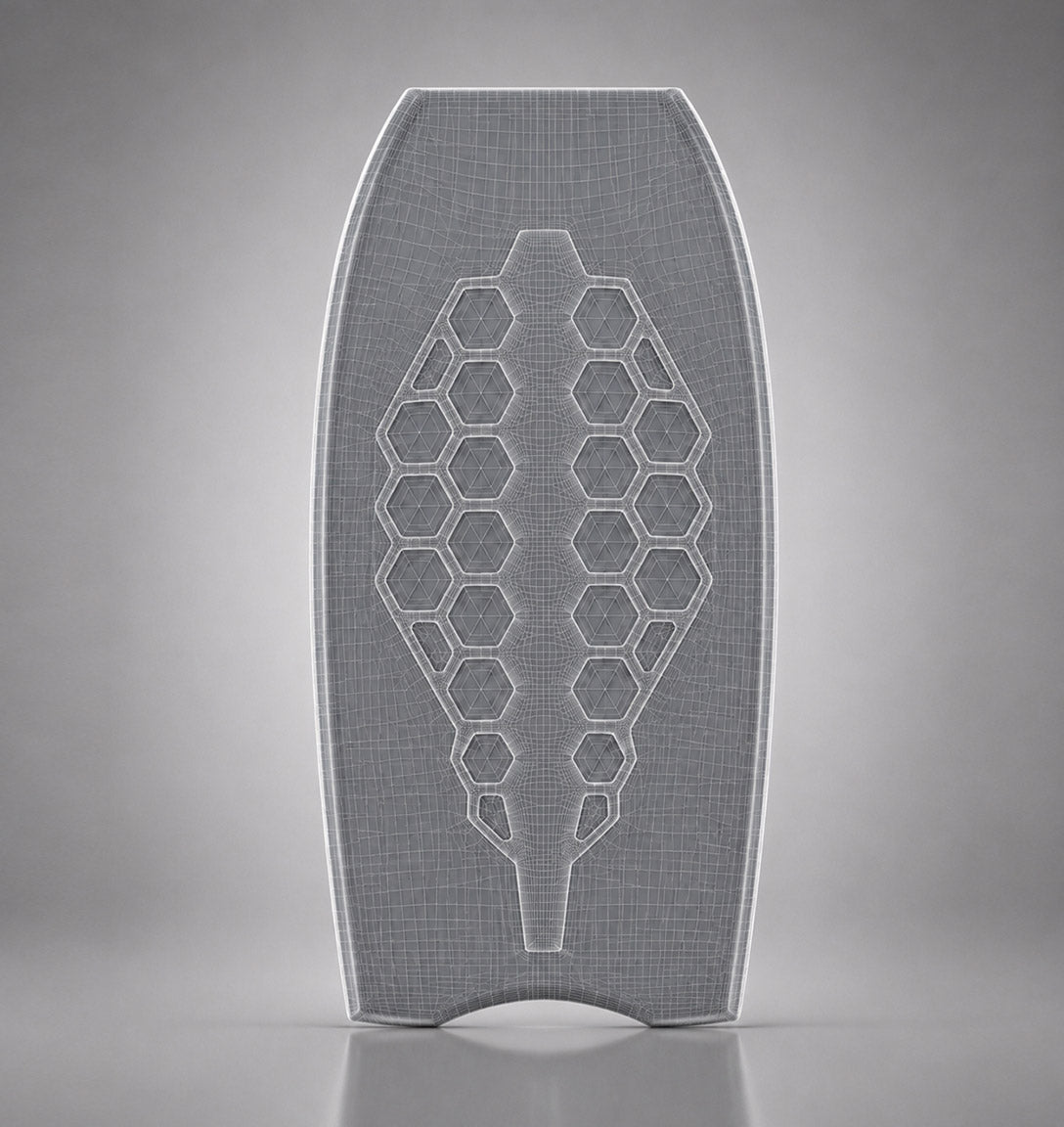
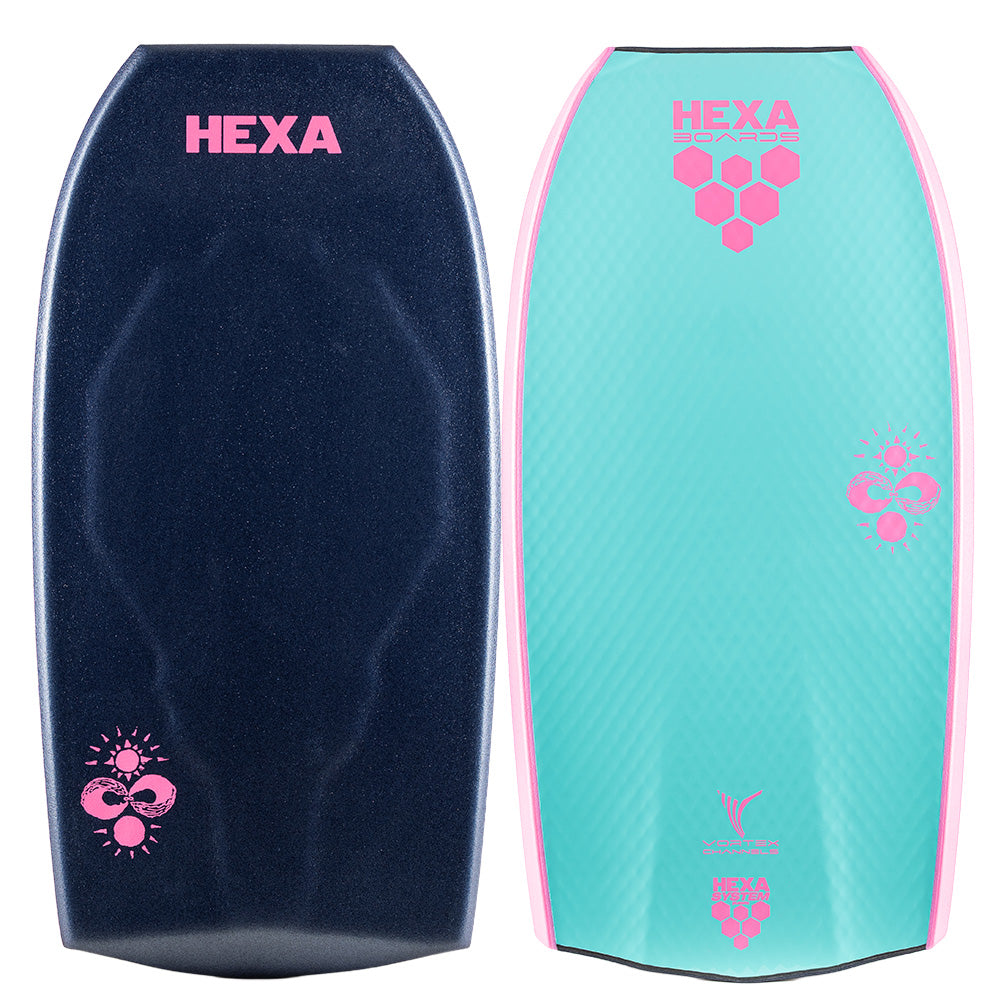
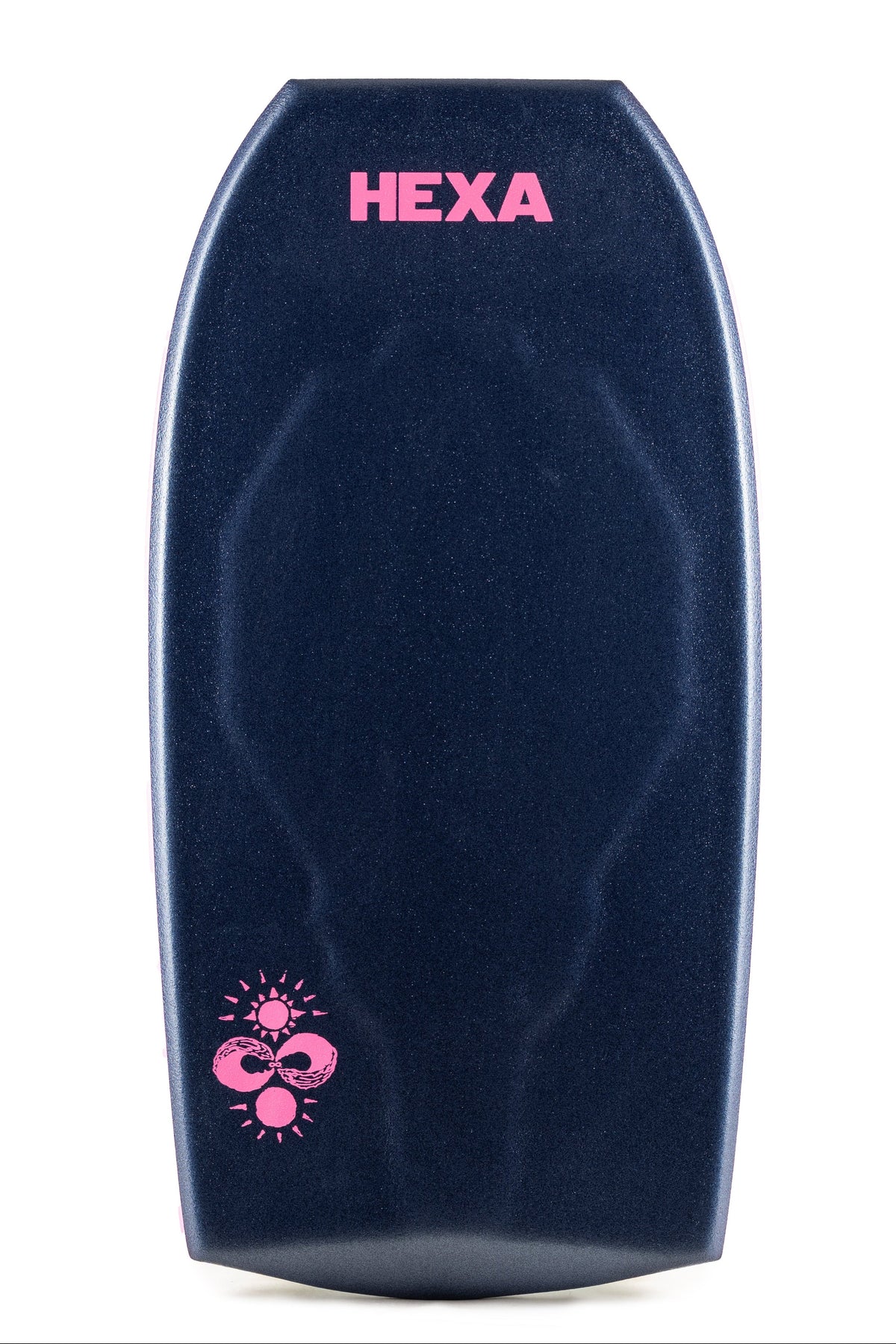
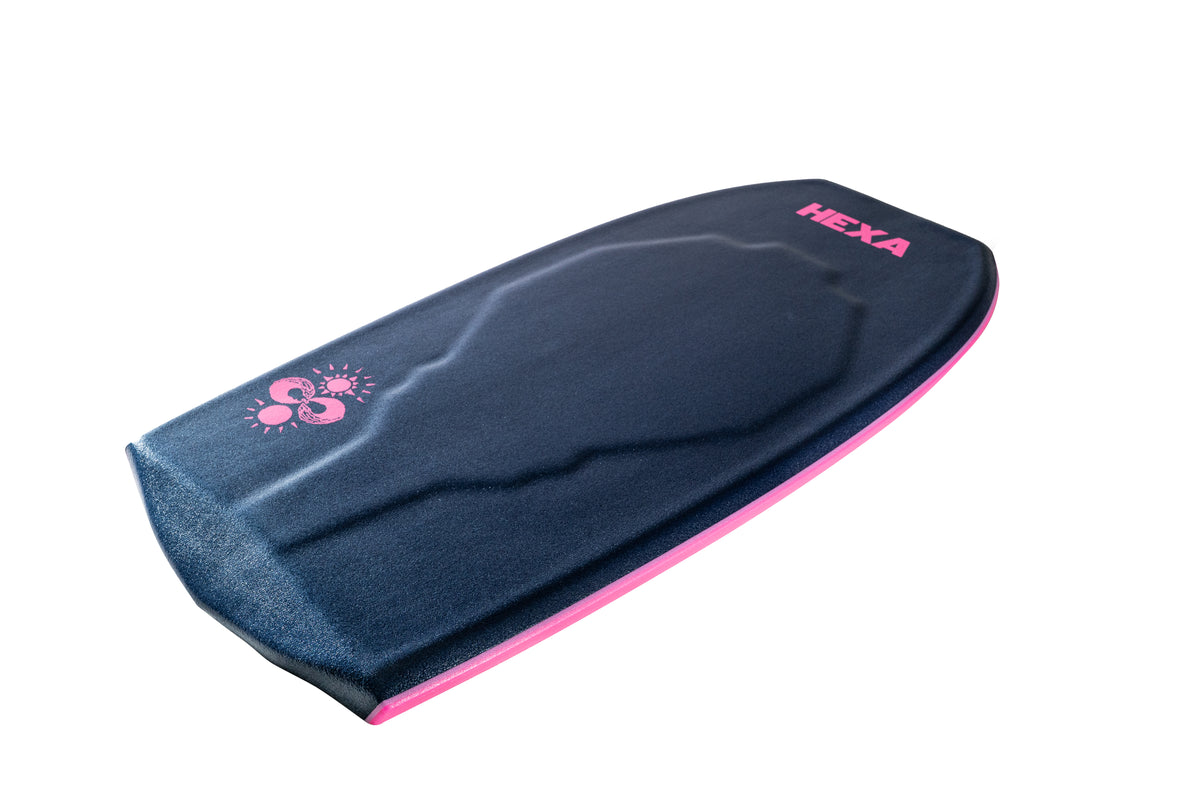
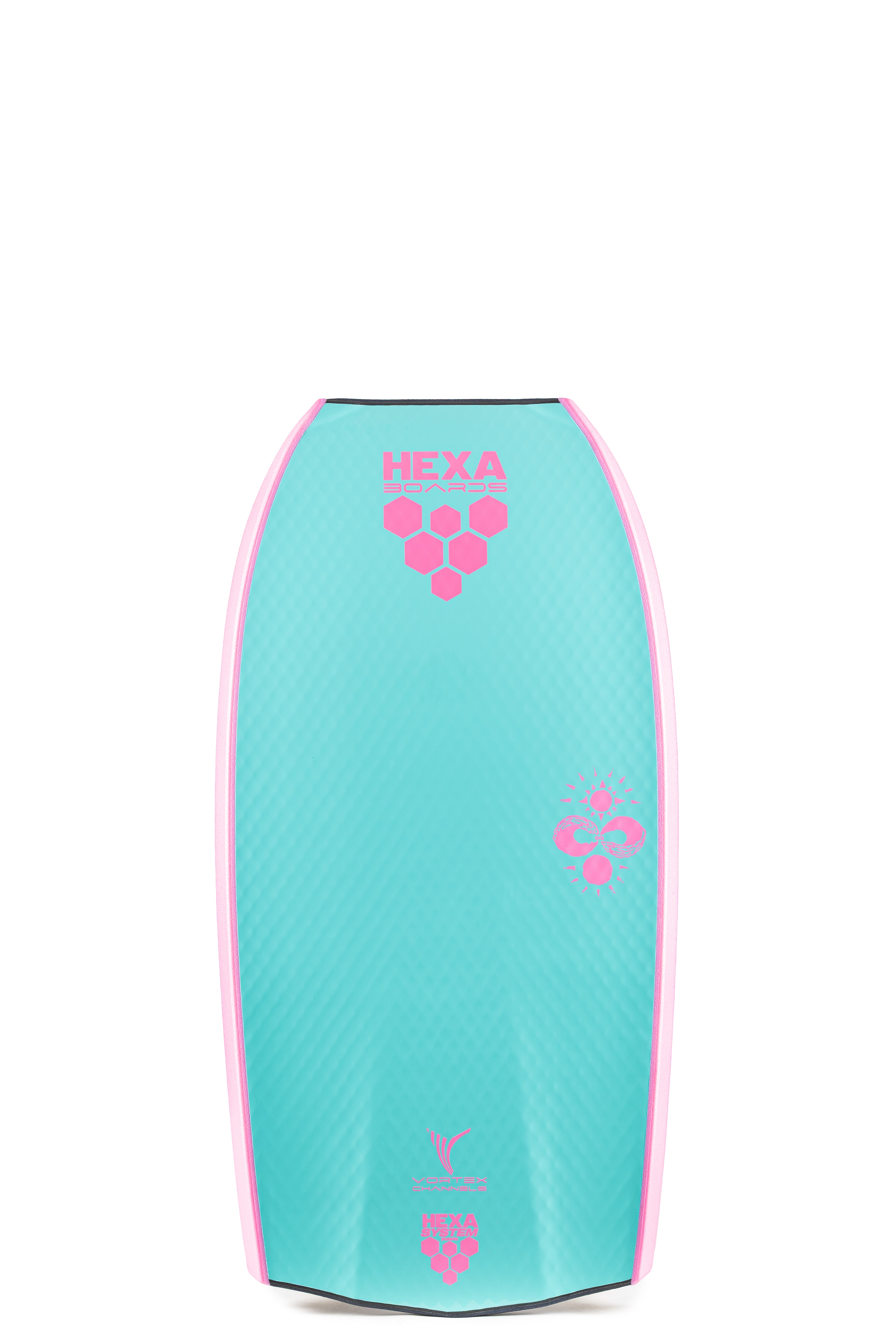
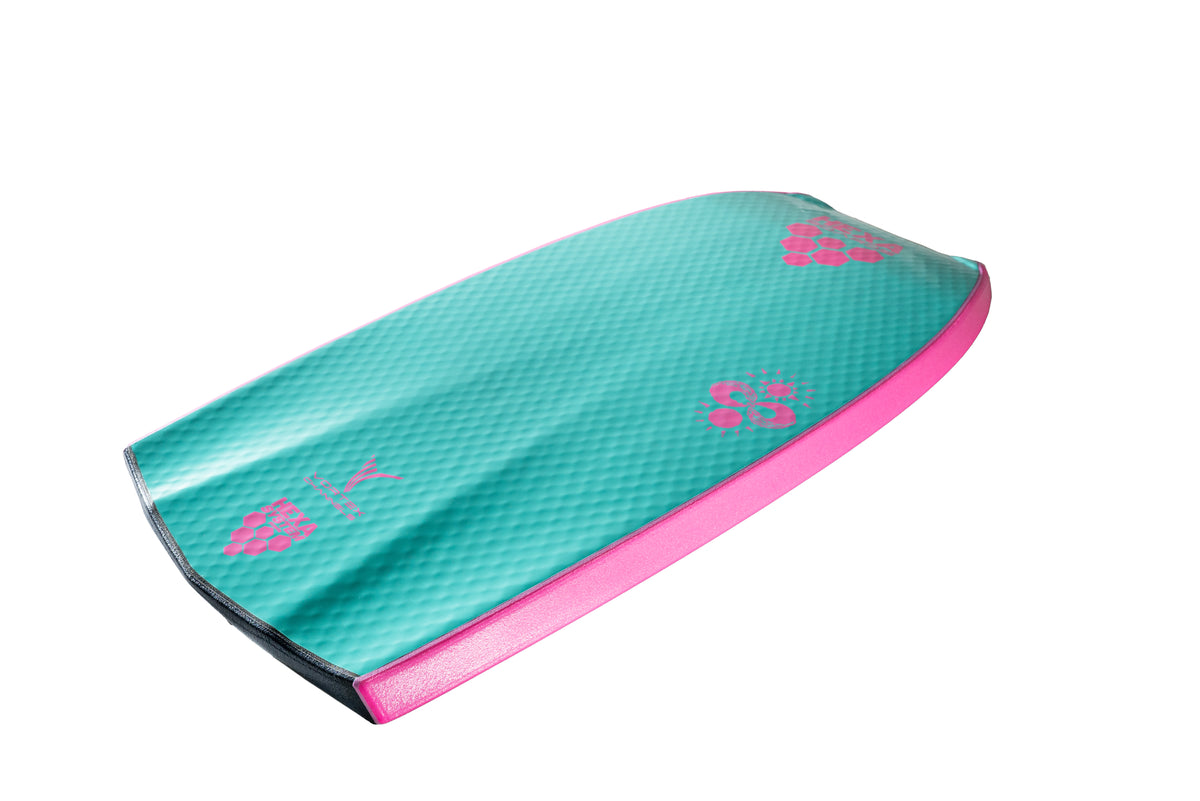
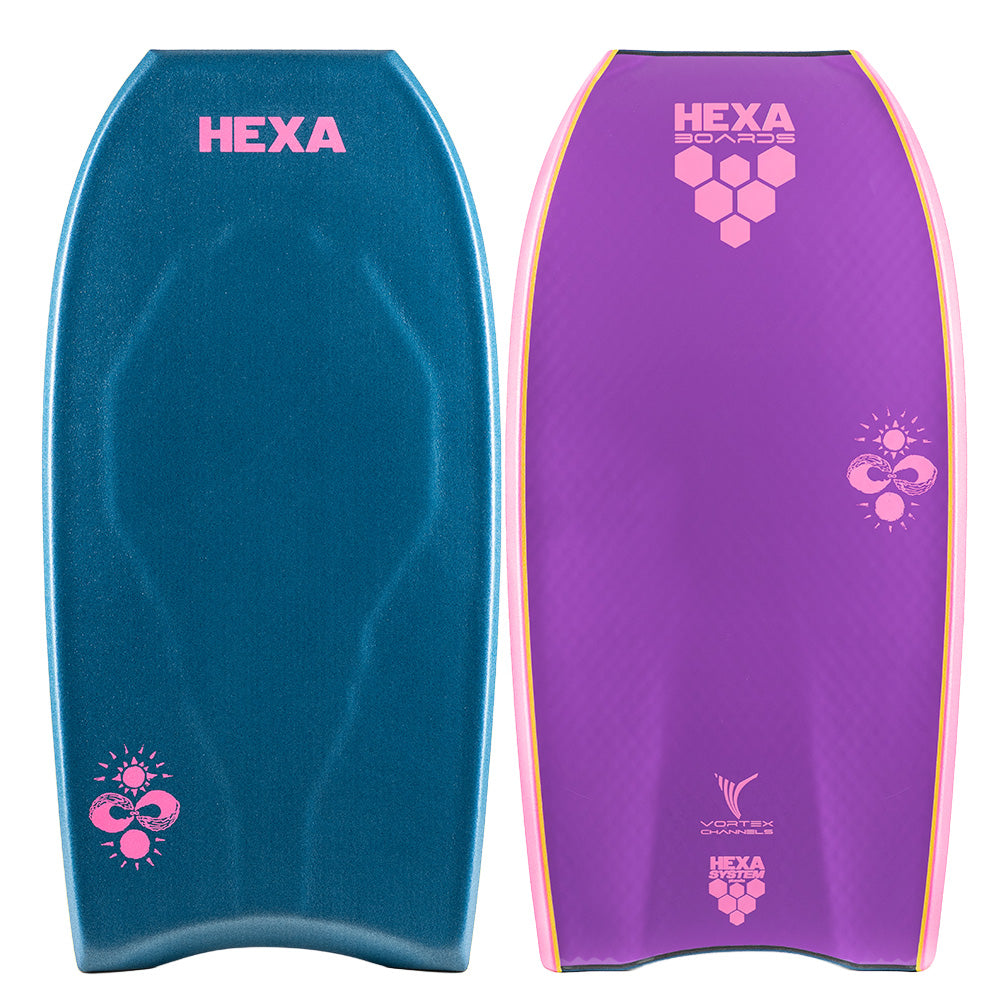
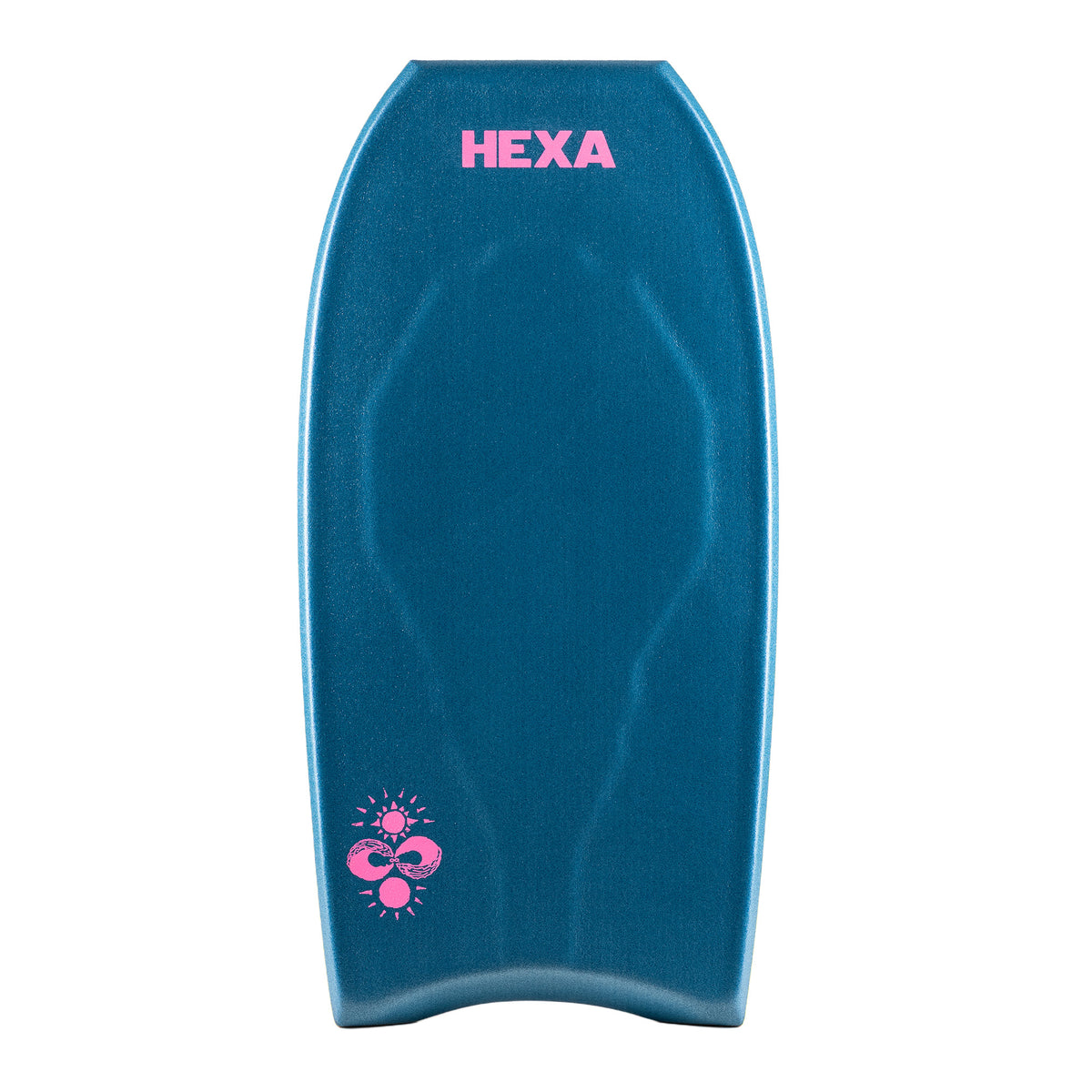
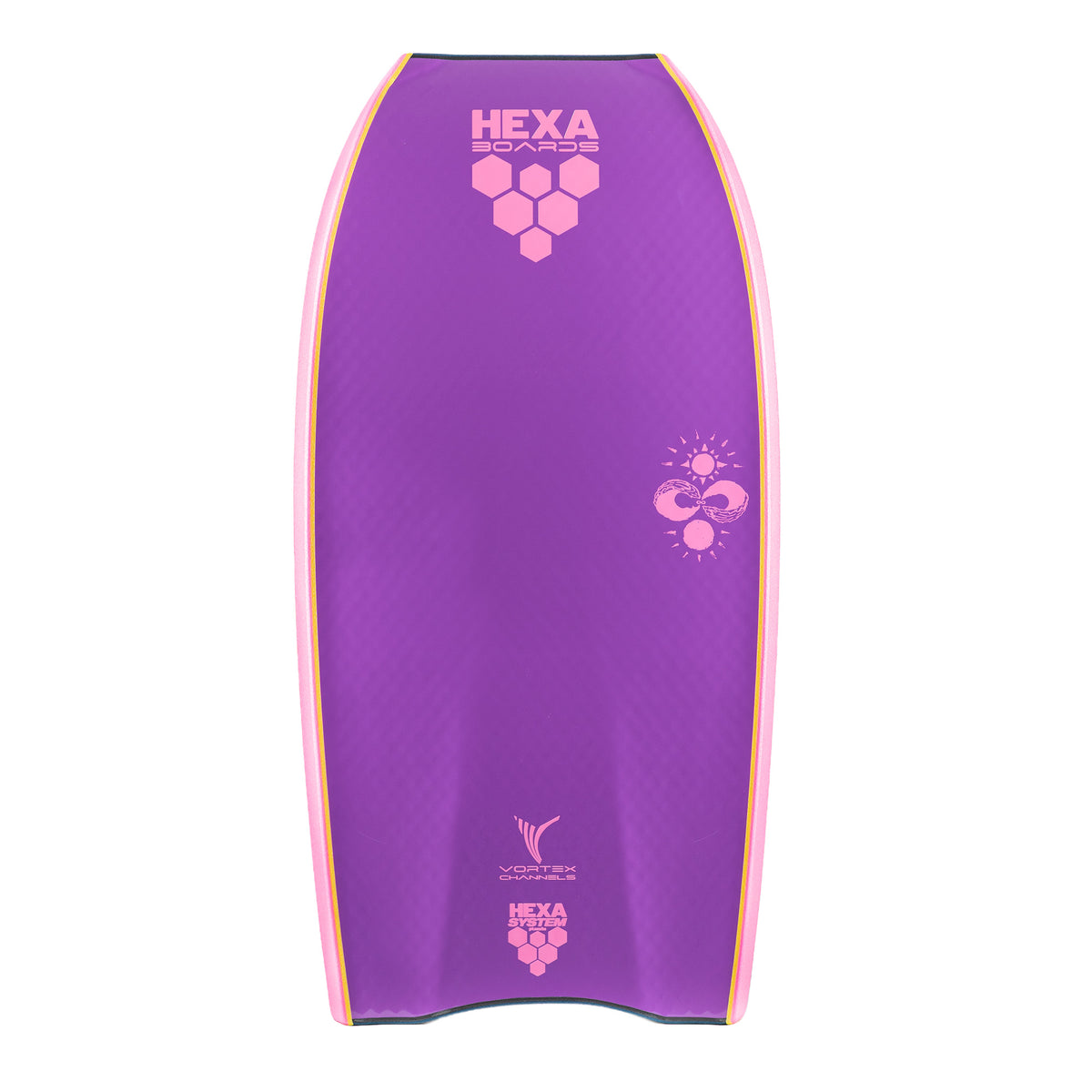
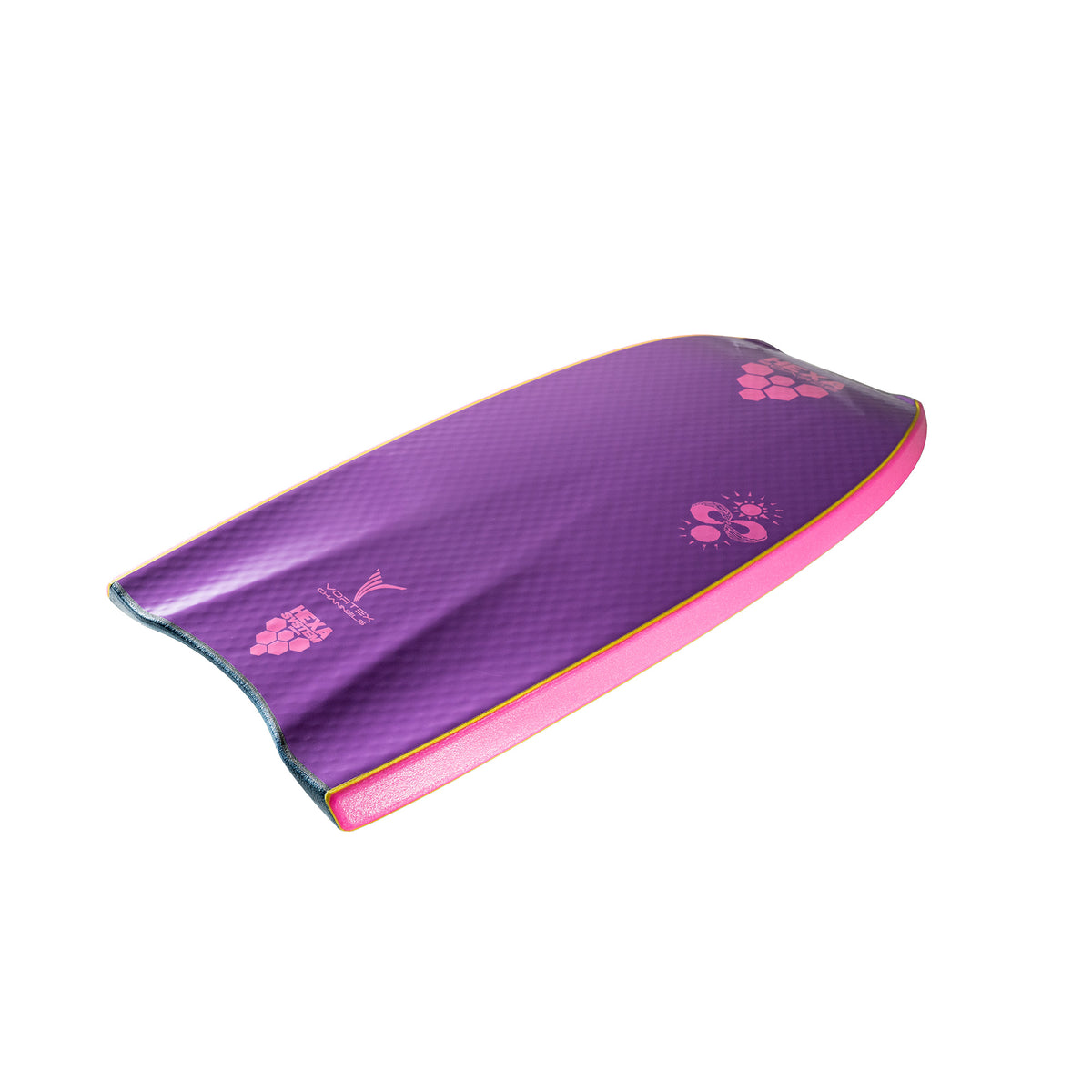
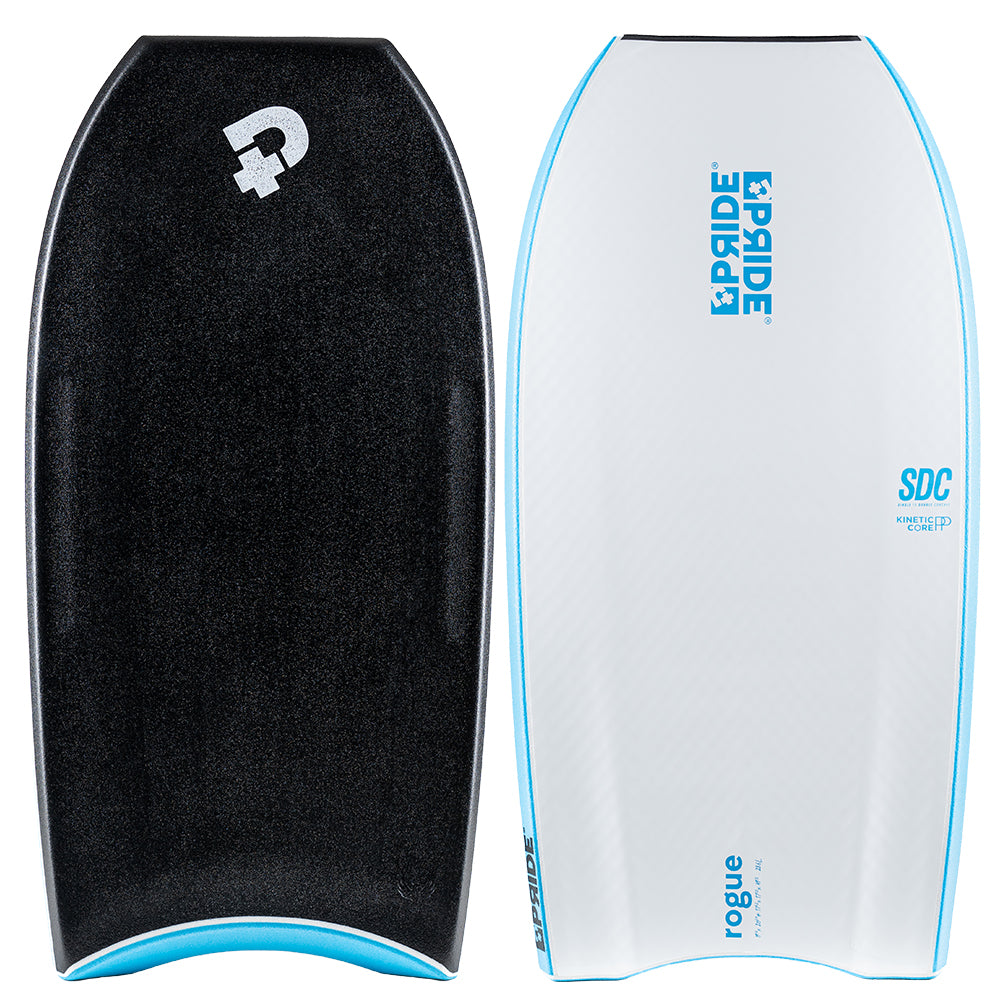
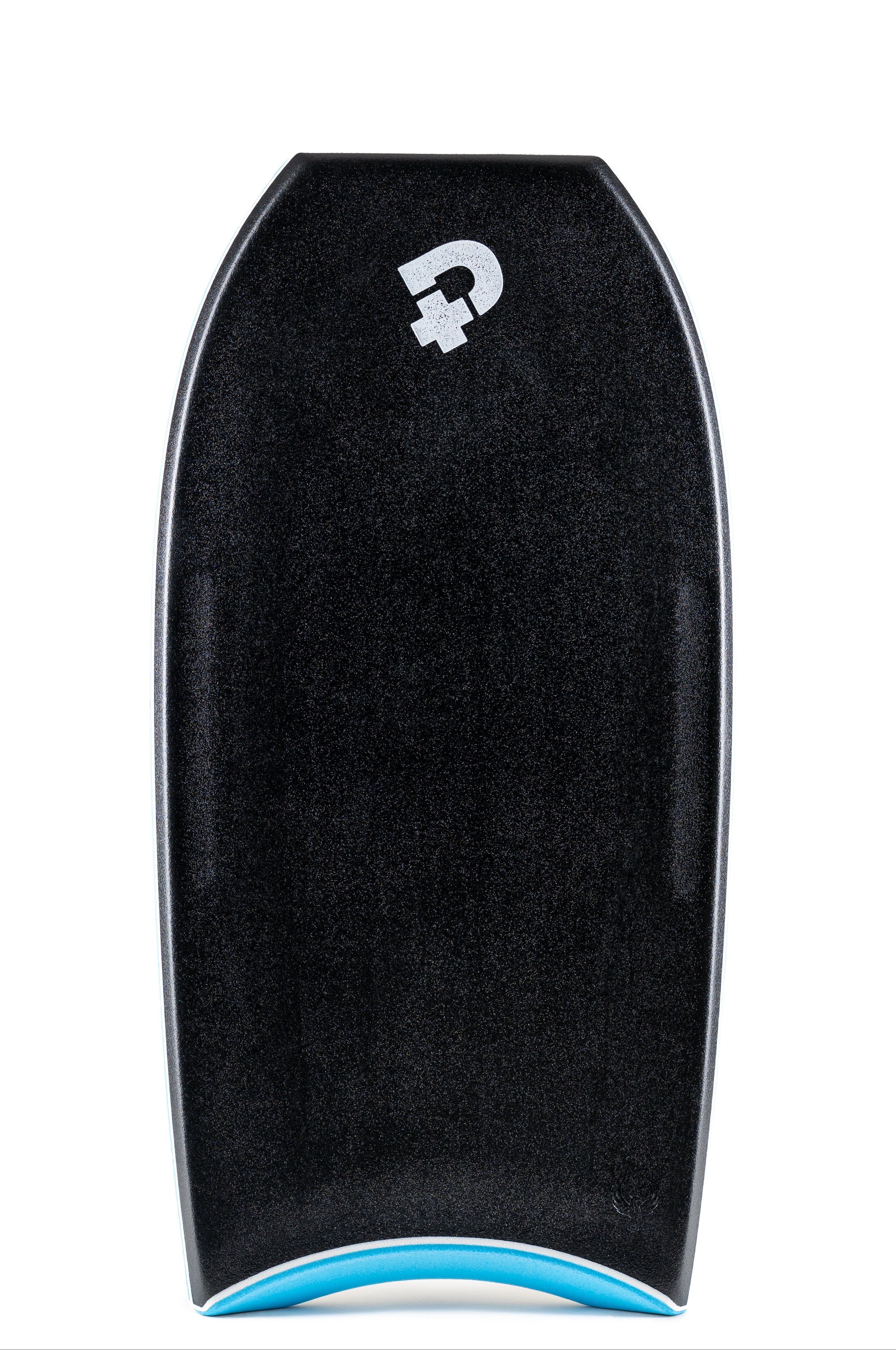
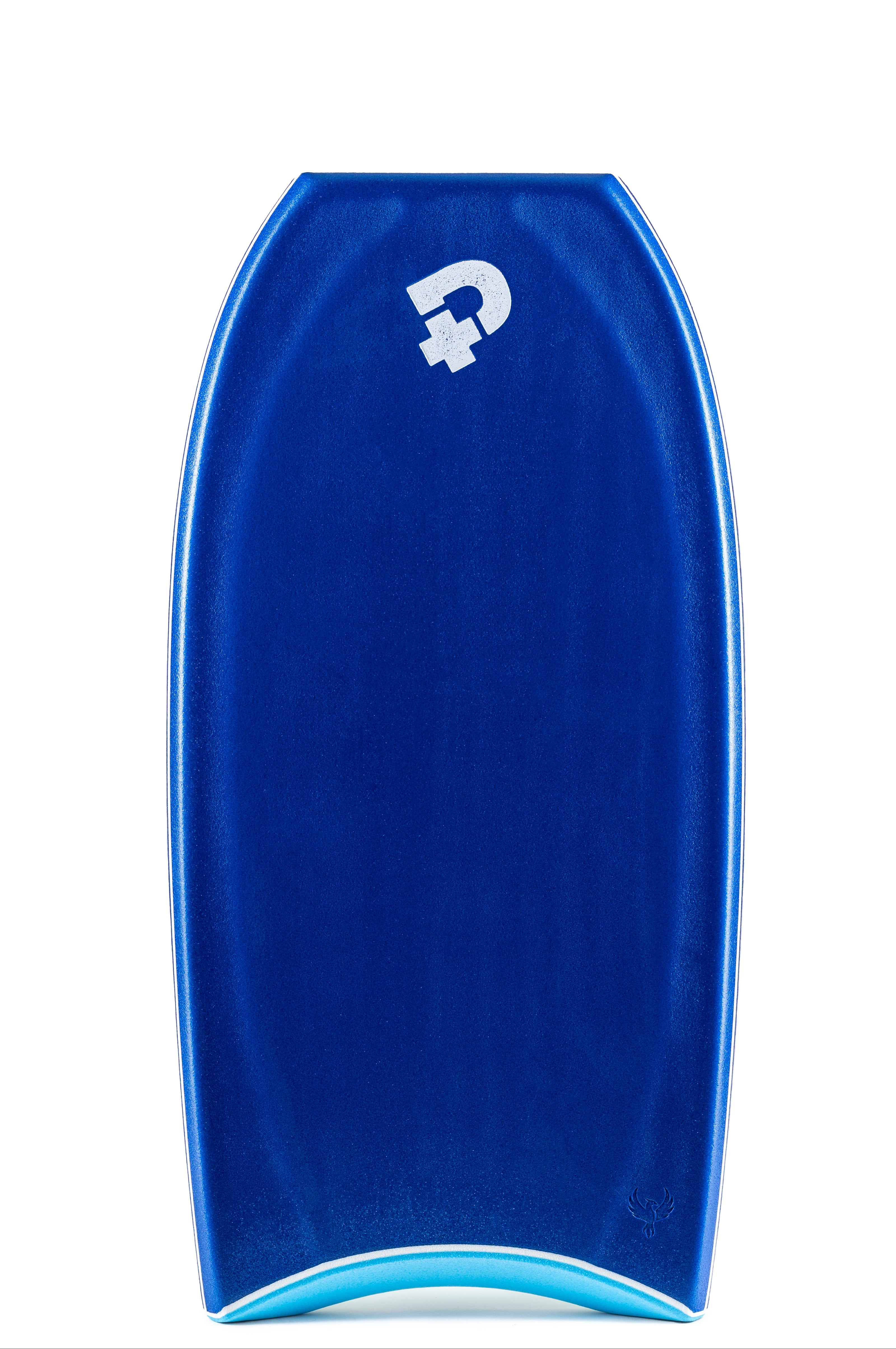
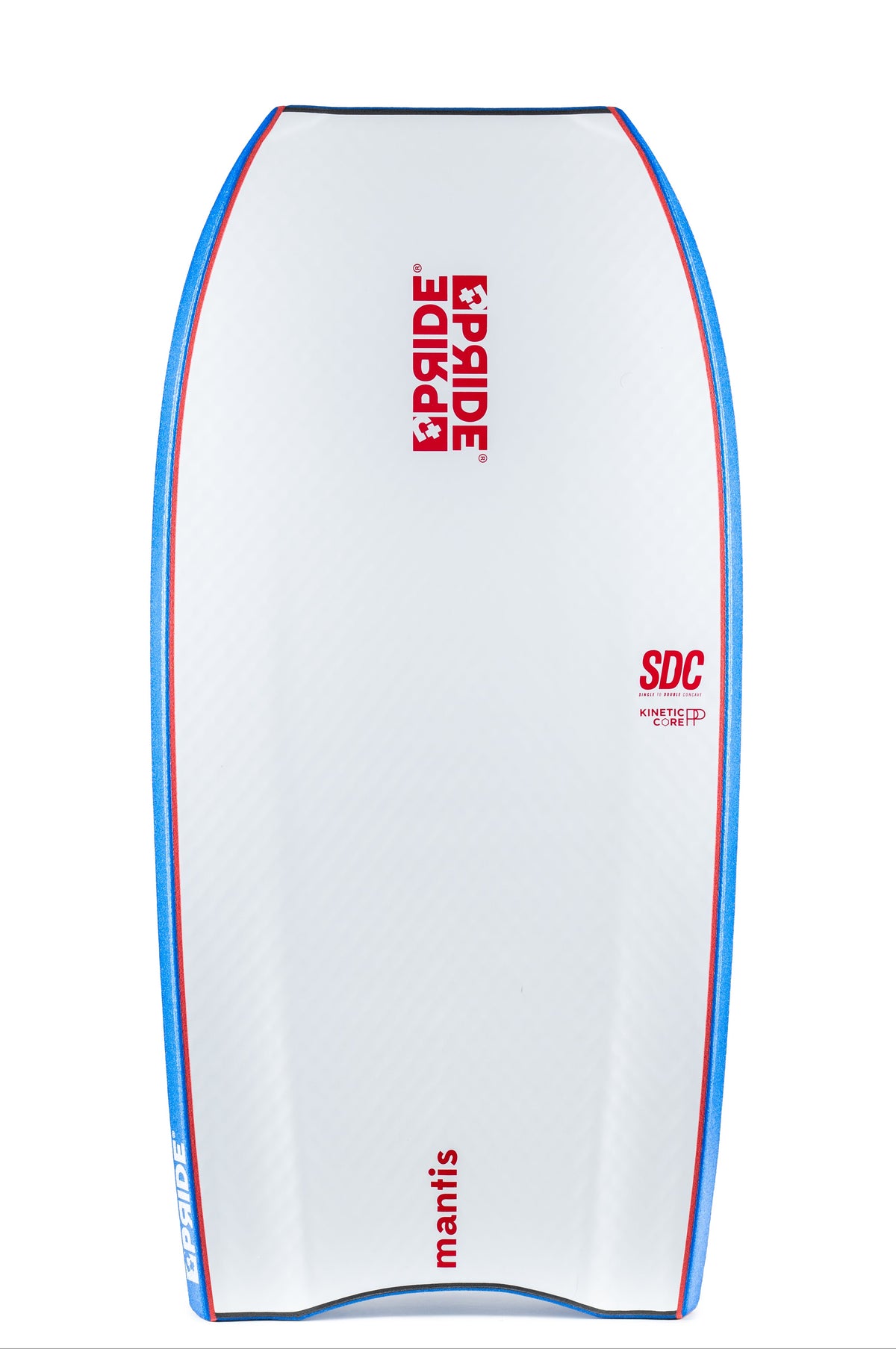
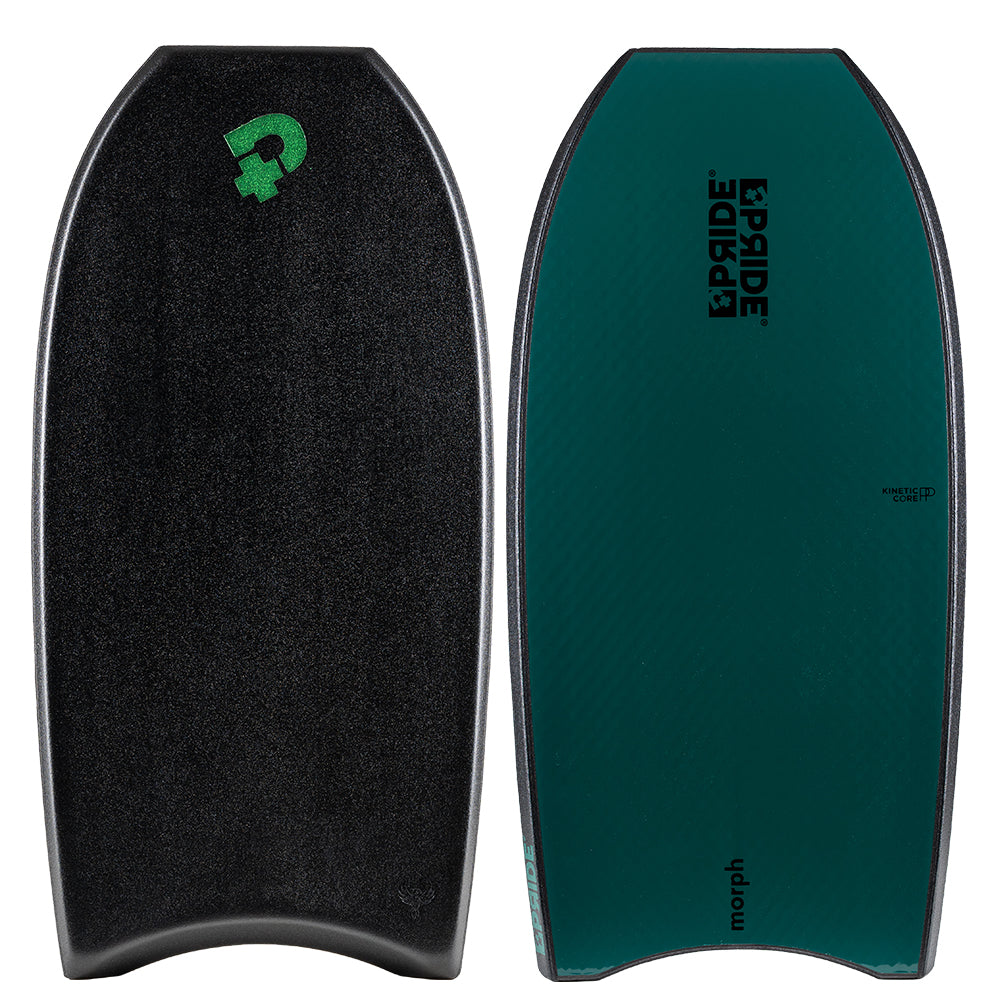
Bodyboarding is practised on a rectangular board of 36 to 46 inches (91 to 117 cm), made of polyethylene (PE) or polypropylene (PP) foam, with a smooth underside called the slick that makes it glide. The rider lies on their stomach, hips on the board, elbows on the rails, and steers with body weight and the inside fin. To get onto the wave, they kick: a pair of short fins replaces the surfer's arm paddling.
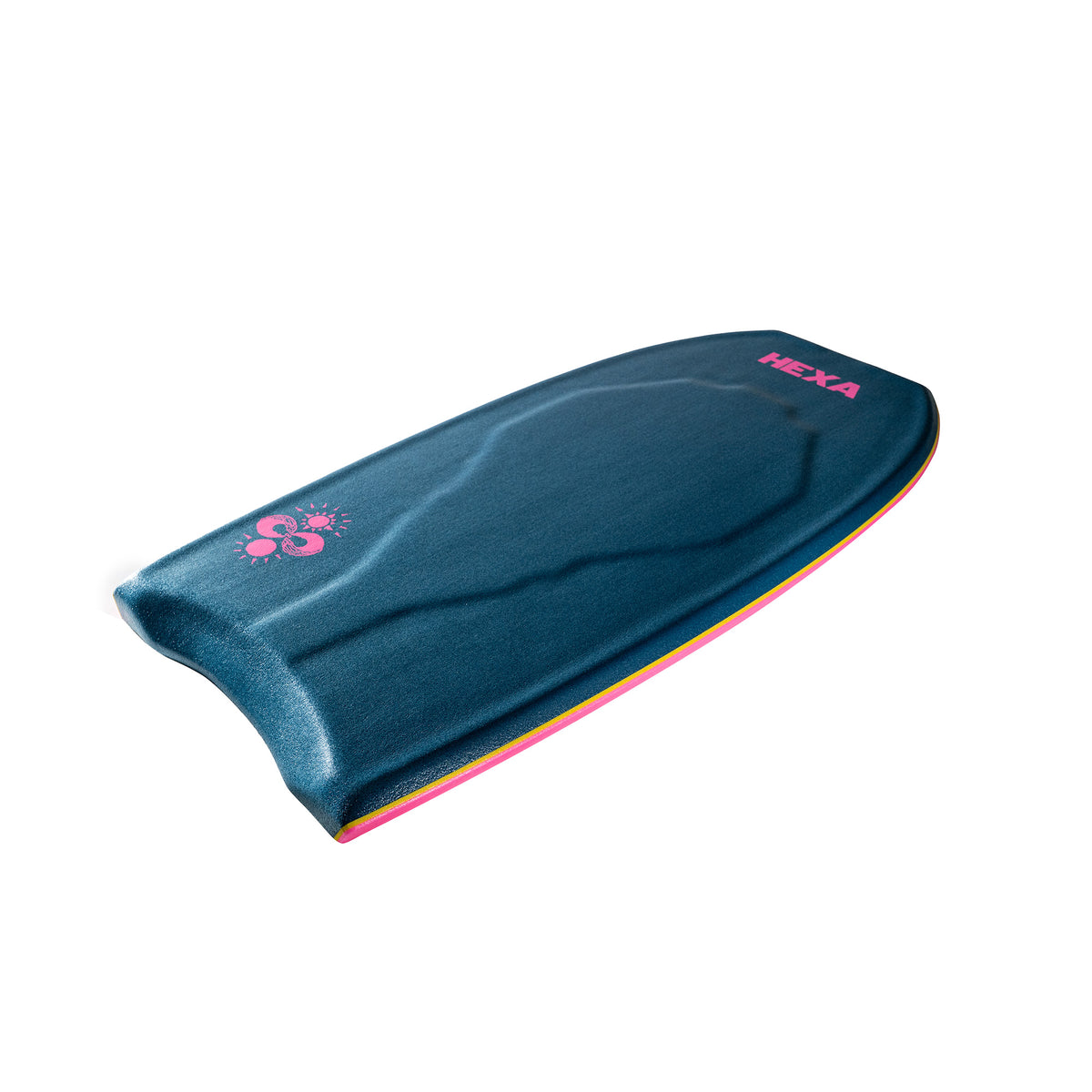
The board has no skeg and no pointed nose. It is the rail, the rounded edge of the board, that grips the water and lets you turn. The nose serves as a handle, the tail (the back end) provides control, and the whole thing fits in a board bag over your shoulder.
- Position: lying down (prone), sometimes with one knee up (drop-knee)
- Propulsion: short, stiff fins, no arm paddling
- Board: 91 to 117 cm, PE or PP foam, smooth slick underneath
- Safety: a wrist or bicep leash ties the board to the rider
A bit of history: from Tom Morey to the IBC World Tour
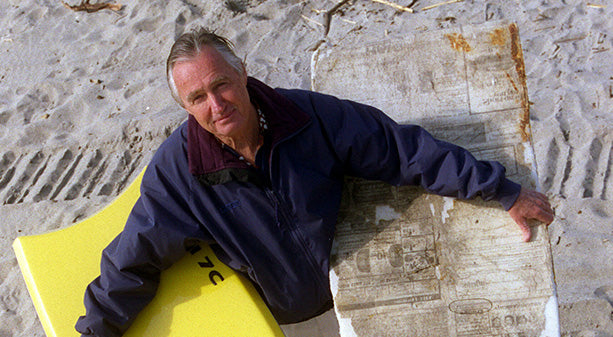
The modern bodyboard was born in 1971 in Hawaii. Tom Morey, an engineer and surfer, cut up a block of polyethylene foam, gave it a rounded nose and sold it under the name Morey Boogie. The "boogie board" was born, and the brand name still refers to the board in part of the English-speaking world.
The sport reached Europe in the 1980s and found an ideal playground in the beach breaks of the Landes and the Basque Country: hollow, powerful waves breaking over sand. France became a leading nation in the discipline. Amaury Lavernhe and Pierre-Louis Costes have each been crowned world champion twice, and the professional circuit, the IBC World Tour, stops every year at benchmark waves such as Arica in Chile, Pipeline in Hawaii and Fronton in the Canary Islands.
Prone, drop-knee, stand-up: three ways to ride
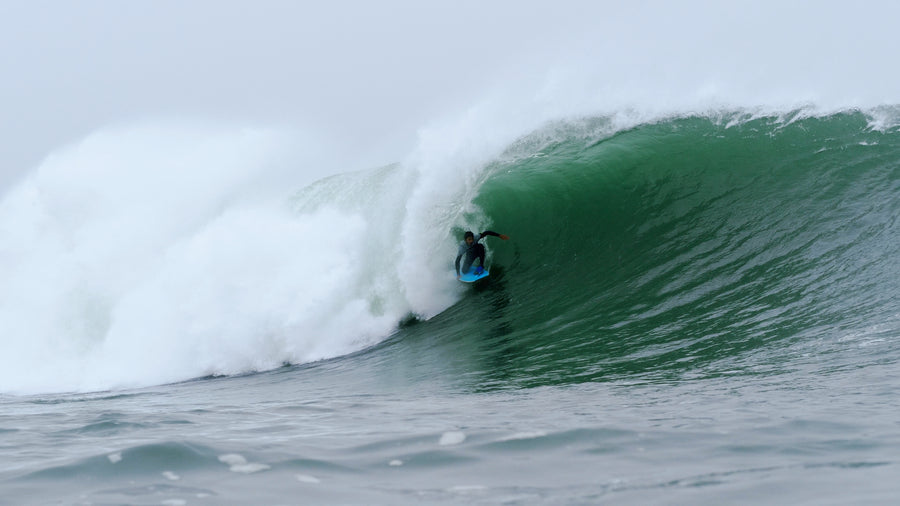
Prone is the basic position, the one used by the vast majority of riders: lying down, chest raised, it is the fastest and most stable, the one that lets you chase barrels and airs. Drop-knee (or DK) is ridden with one knee on the board and the other foot flat on the deck, the rear fin acting as a skeg: a style closer to surfing, demanding in terms of balance, which calls for a board one inch shorter and a crescent tail. Stand-up, standing on the board, remains a niche reserved for a handful of specialists.
These three styles use the same basic gear. Only the size and tail of the board change, two criteria detailed in the guide to choosing your board.
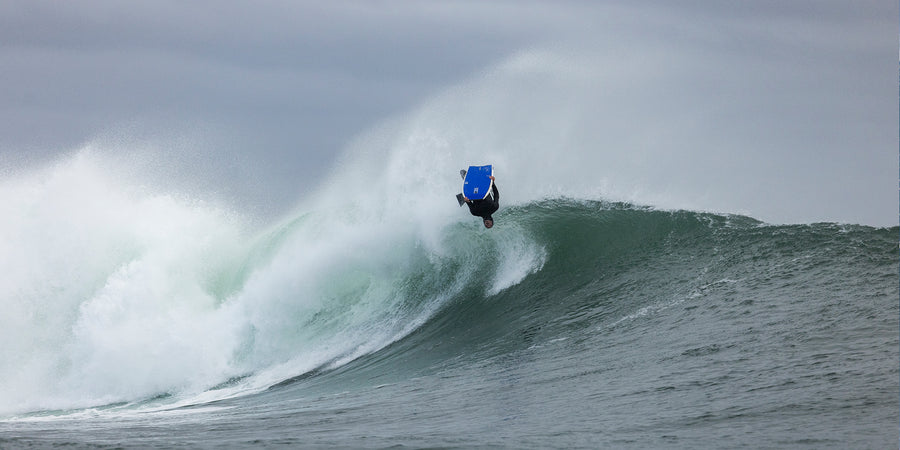
Once the wave is caught, bodyboarding becomes a sport of manoeuvres: bottom turn, cutback, 360, el rollo, air reverse, invert, backflip. The classic and advanced moves are detailed, with their technique, in our complete guide to bodyboarding manoeuvres.
Surfing or bodyboarding: what are the differences?
Both sports are practised on the same waves, but not in the same way. The surfer stands up on a long, rigid board; the bodyboarder stays lying down on a short, flexible board, with fins. The result: your first wave comes much sooner on a bodyboard. There is no take-off to pull off, the centre of gravity sits right at water level, and fins give a kicking speed that no arm paddling can match.
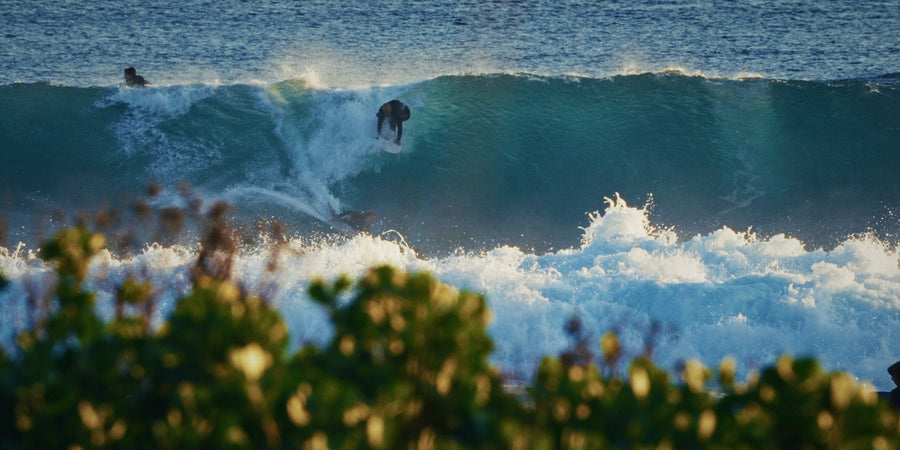
This accessibility does not make bodyboarding a lesser form of surfing. Where surfing needs a wave that peels, bodyboarding makes use of hollow waves, shorebreaks, closing-out sections, short barrels: everything that stays out of reach for a surfboard. That is why you find bodyboarders in the heaviest waves in the world, from Teahupoo to the Wedge.
| Criterion | Surfing | Bodyboarding |
|---|---|---|
| Position | Standing | Lying down, or one knee up (drop-knee) |
| Board | Long and rigid, with skegs | 91 to 117 cm, soft foam, no skeg |
| Propulsion | Arm paddling | Fins |
| First wave | Several sessions | Often on the very first |
| Ideal waves | Long and peeling | Hollow, powerful, shorebreaks, barrels |
| Starter kit | Board, leash, wetsuit | Board, fins, leash, wetsuit |
| Transport | Roof bars | Board bag over the shoulder |
The two sports share the ocean, not the technique.
The bodyboarder's gear: what you really need
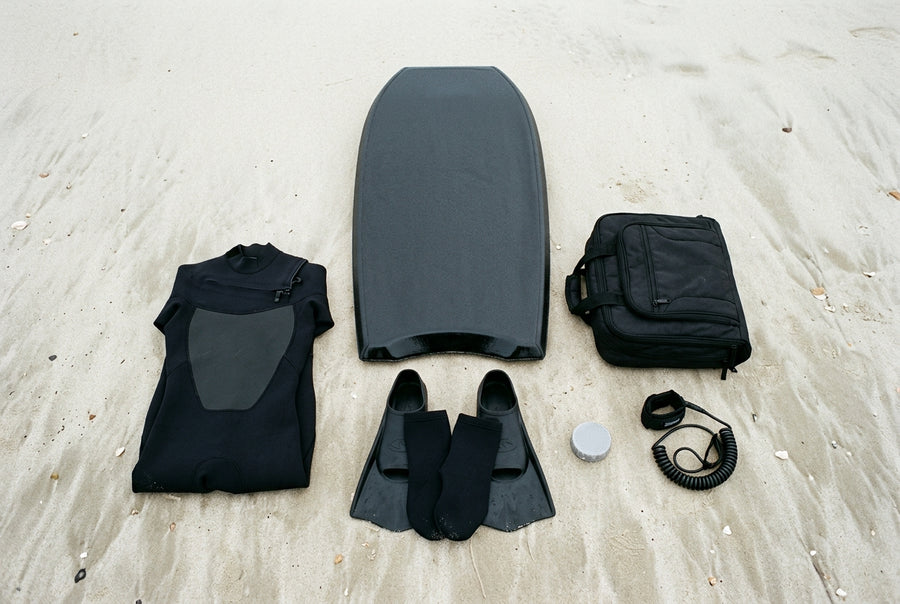
Bodyboarding comes down to four pieces of kit. The board, chosen according to your build, your level and the water temperature. The fins, essential as soon as the water is above your navel: they decide how many waves you will catch. The leash, wrist or bicep, which saves you swimming after your board every time you wipe out. The wetsuit, or a rash vest in summer, which protects you from the cold and from chafing.
Each piece has its own buying guide, gathered at the bottom of this page. Then come the accessories that make your gear last and add comfort: fin leashes and neoprene socks for winter, a board bag for transport and a little wax on the deck so you don't slip.
The benefits of bodyboarding
- A full cardio workout: kicking out through the break and back to the peak works your legs, glutes and lungs.
- Core strength without thinking about it: the prone position constantly engages your back, abs and shoulders.
- Learning to read the ocean: currents, sandbanks, sets, you quickly learn to observe before getting in the water.
- A family sport: as soon as a child can swim, a foam board is enough for their first whitewater rides.
- Water all year round: with the right wetsuit, the best waves in the Landes are often ridden from October to April.
Where to ride? Bodyboarding spots
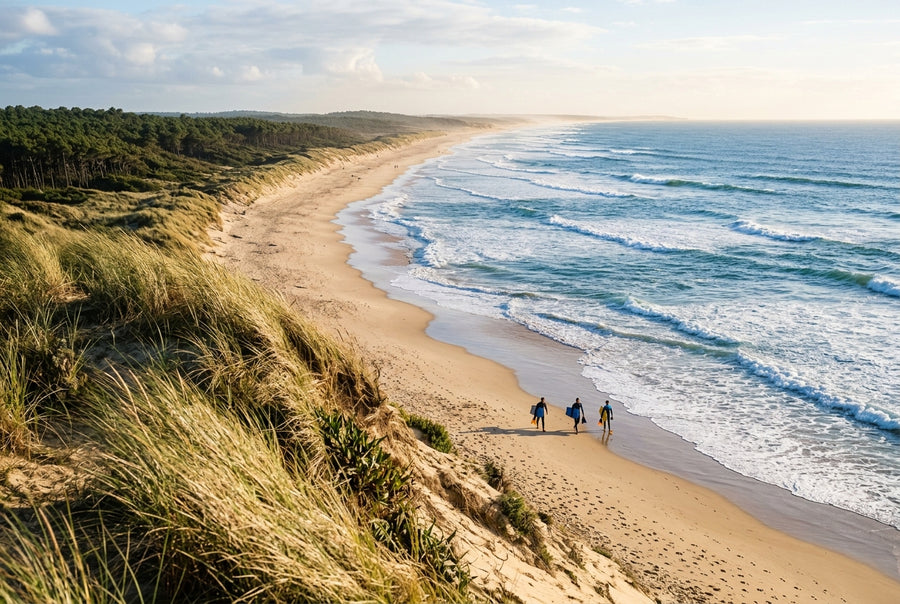
Bodyboarding can be practised anywhere a wave breaks, but it has its favourite playgrounds: beach breaks, those sandy beaches where the banks form hollow, ever-changing waves. The Landes coast, from Hossegor to Capbreton and Seignosse, is the best-known example in Europe, with spots such as La Gravière or La Nord that built the reputation of French riders. Elsewhere, the Basque Country, Brittany, the Vendée and the Mediterranean on windy days offer accessible conditions.
To get started, look for the opposite: a lifeguarded beach, whitewater under a metre high, a gently sloping sandy bottom and no strong current. Our beginner's tips explain how to read a spot before getting in.
Bodyboard Center, the specialist shop in Hossegor
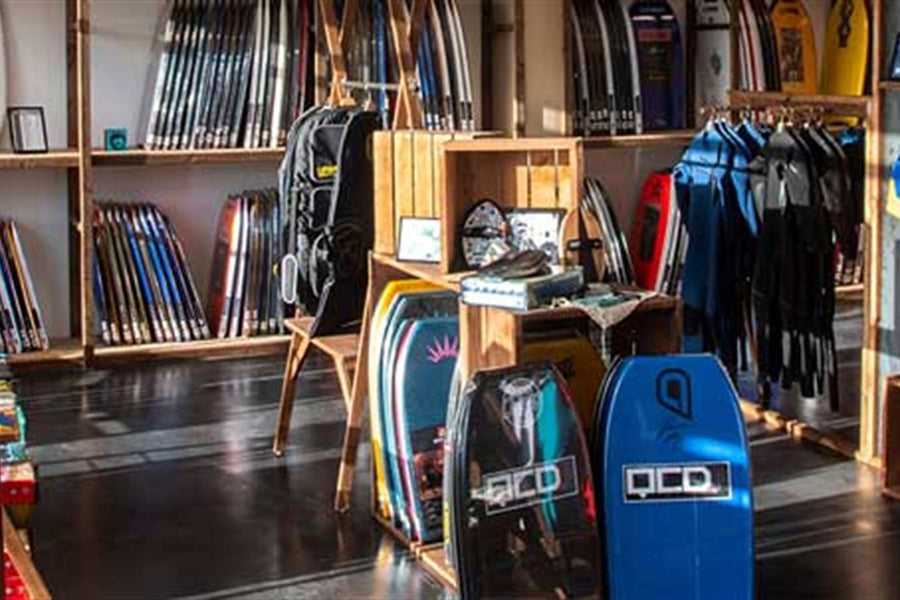
Bodyboard Center is a shop specialising in bodyboarding, based in Hossegor, in the heart of the Landes spots. The team rides, and the shop is home base for a team of riders who test the gear in the conditions it was designed for. The guides on this site repeat what we tell you over the counter: no copied-out spec sheets, just advice checked in the water.
Unsure about a size, a core, a fin size? Drop by the showroom or write to us from the contact page.
Frequently asked questions about bodyboarding
What is the difference between surfing and bodyboarding?
In surfing, you stand up on a long, rigid board and paddle with your arms. In bodyboarding, you stay lying down on a short foam board and move with fins. Bodyboarding is quicker to learn and makes use of hollower waves; surfing requires a take-off and waves that peel.
What is bodyboarding called in French?
The word has stayed English, including in the name of the discipline at the French Surfing Federation. On the beach you will also hear "body", and "boogie board" in English-speaking countries, after Tom Morey's brand. "Planche à vagues" or "planche de body" most often refer to foam boards for children.
Is bodyboarding easier than surfing?
For catching your first waves, yes, by a long way. There is no take-off, the prone position is stable and the fins provide the speed you need. Expert level, however, is every bit as demanding as in surfing: barrels, airs and inverts take years of work.
Do you need fins to bodyboard?
In the whitewater, with your feet on the bottom, no. As soon as the water is above your navel and you are aiming for unbroken waves, yes: without fins you cannot catch the wave or get back out to the peak. The guide to choosing your fins explains which model and which size to get.
What are the benefits of bodyboarding?
Bodyboarding works your cardio and legs through kicking, your core and upper body through the prone position, and it teaches you to read the ocean. It is an outdoor sport the whole family can enjoy, and one you can practise all year round with a suitable wetsuit.
Is bodysurfing the same thing as bodyboarding?
No. Bodysurfing is done without a board, using the body alone, sometimes with a handplane, a small board held in the hand. Bodyboarding uses a board you lie on. The two share fins and the same waves, and many bodyboarders also go bodysurfing.
From what age can you bodyboard?
As soon as the child is comfortable in the water and can swim, in the whitewater and under supervision. A short foam board is enough to start with; our kids' bodyboard guide details sizes by age and body type.
What size bodyboard should I choose?
Standing up, with the board held vertically in front of you, it should come up to somewhere between your navel and the bottom of your sternum. Weight and level then fine-tune the choice: the size guide gives the tables by build and a calculator.
Our guides: choosing your gear, getting started, progressing
Eight guides written by the shop team, to read in whatever order suits you: four to choose your gear without getting it wrong, four to get started, progress, kit out a child or spend the winter in the water.
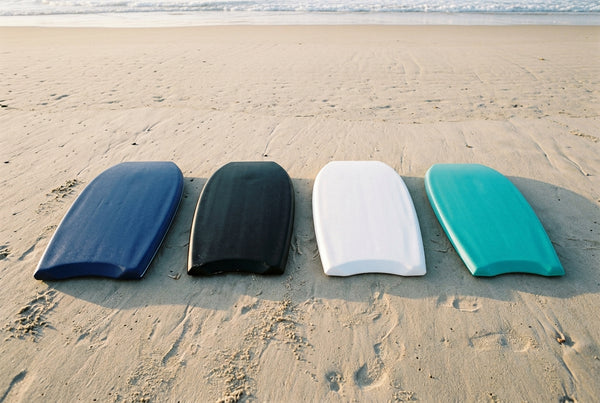
How to choose your bodyboard
PE, PP or NRG core, slick, stringer, shape, tail, level and budget: every criterion explained, with the brands' ranges.
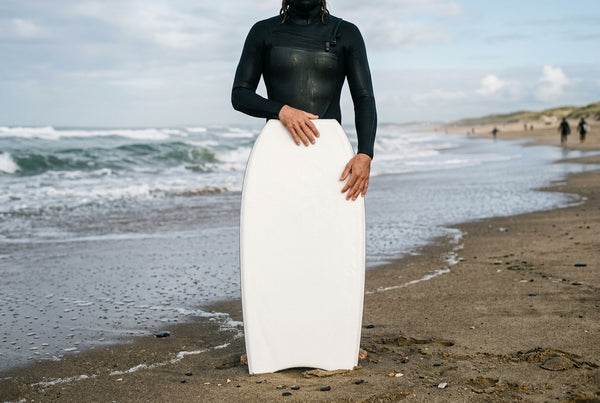
Bodyboard size guide
The navel test, the table by weight and height, conversions in centimetres and a size calculator.
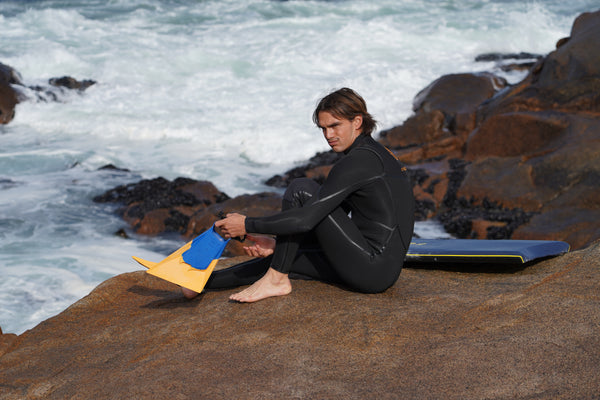
How to choose your fins
Symmetrical or asymmetrical, soft or stiff, the DaFin, Orca, Stealth and Vulcan size charts, and a shoe size calculator.
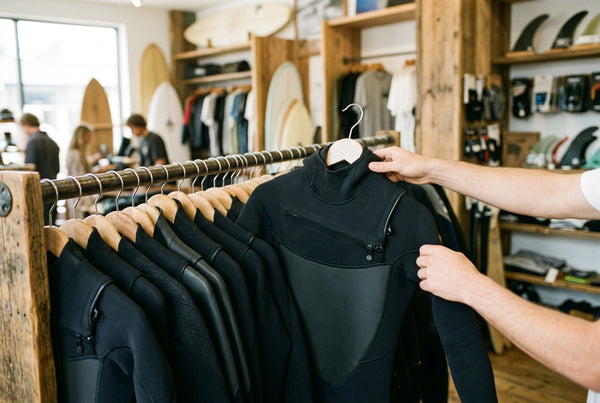
How to choose your wetsuit
Neoprene thickness by water temperature, sizing, seams and the finishes that make the difference.
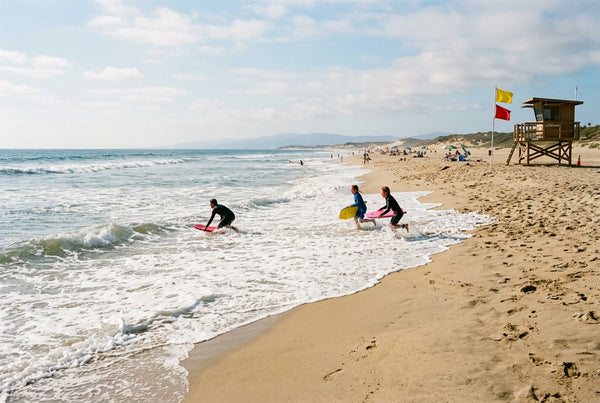
How to bodyboard
Gear, spot, position on the board, kicking, your first wave in 6 steps, mistakes and safety: the beginner's guide.
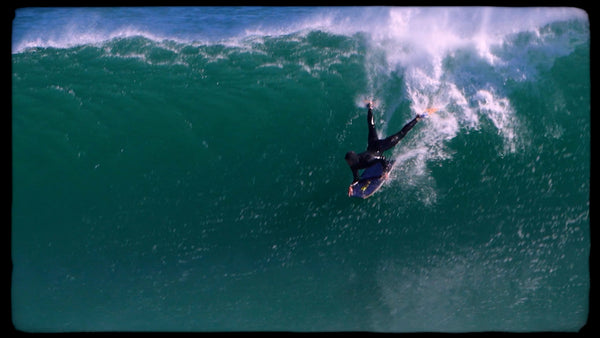
Bodyboarding moves
From the bottom turn to the backflip: classic and advanced manoeuvres, their technique, their prerequisites and the order to learn them in.
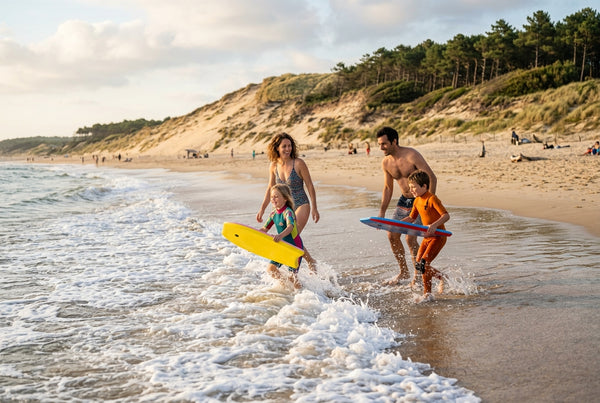
Bodyboarding for kids
Size by age and weight, foam or PE core, leash, fins and safety to choose a child's board.
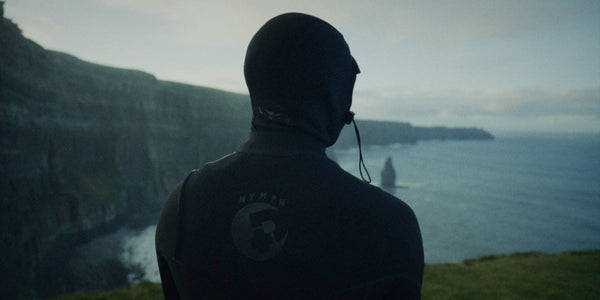
Bodyboarding in winter
4/3 or 5/4 wetsuit, boots, gloves, hood, board and cold-water wax, session routine: ride all year round.
Ready to get kitted out?
Boards, fins, leashes, wetsuits and board bags: every product page states the level and build it is aimed at. A bodyboard pack brings together the essentials to get started in a single order.
See our bodyboards