Bodyboarding moves: the complete guide to classic and advanced manoeuvres
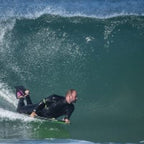
Bodyboarding goes well beyond simply gliding along: with practice, you make the most of the wave by linking moves together. These manoeuvres bring style, but above all control and a better reading of the ocean. This guide presents bodyboarding moves in the order you learn them, from the basics (bottom turn, cutback, 360) to the iconic manoeuvres (el rollo, tube) and the aerial moves of advanced riders (ARS, invert, backflip), with the technique, the prerequisites and the classic mistake for each one.
Why learn bodyboarding moves
Moves let you exploit a wave's full potential: staying in the power zone, extending the ride, using the lip as a launch pad. Without them, riding stays limited to going in a straight line. Every move rests on three shared foundations: speed, positioning and timing. The better a rider masters these fundamentals, the better they adapt to the conditions and link manoeuvres together smoothly.
Learning moves also develops your own style: every rider adapts their movements to their level, their waves and their commitment. That is what makes bodyboarding so rich and progressive, from your first whitewater to hollow barrels.
Bodyboarding moves at a glance
| Move | Family | Level | Prerequisites |
|---|---|---|---|
| Bottom turn | Basic | Beginner | Catching the green wave, rail pressure |
| Cutback | Basic | Beginner to intermediate | Bottom turn, reading the whitewater |
| Re-entry | Basic | Intermediate | Bottom turn, timing on the lip |
| 360 spin | Rotation | Intermediate | Speed, weight forward |
| Reverse spin | Rotation | Intermediate | 360 mastered |
| Drop knee turn | Drop-knee | Intermediate | Stable DK stance, crescent tail |
| El rollo | Iconic | Intermediate to advanced | Re-entry, wave with a lip |
| Tube ride | Iconic | Advanced | Wave reading, speed, hollow waves |
| Forward spin | Aerial | Advanced | 360 and el rollo |
| ARS (air roll spin) | Aerial | Advanced | El rollo + rotation in the air |
| Invert | Aerial | Expert | Launch, commitment, powerful waves |
| Backflip | Aerial | Expert | ARS, invert, vertical section |
The order of the table is the recommended learning order.
Before the moves: the basic techniques
No move comes off without three acquired skills: kicking, legs well under the water and a steady rhythm, which gives you entry speed; the take-off, that is, getting going on the wave before it breaks, weight forward to accelerate; and getting through the waves to return to the peak quickly and fresh. These three skills are detailed, along with position on the board and reading the spot, in the beginner's guide. Gear matters too: a board of the right size turns, a board that is too big just goes straight. See the size guide.
The fundamental bodyboarding moves
The bottom turn
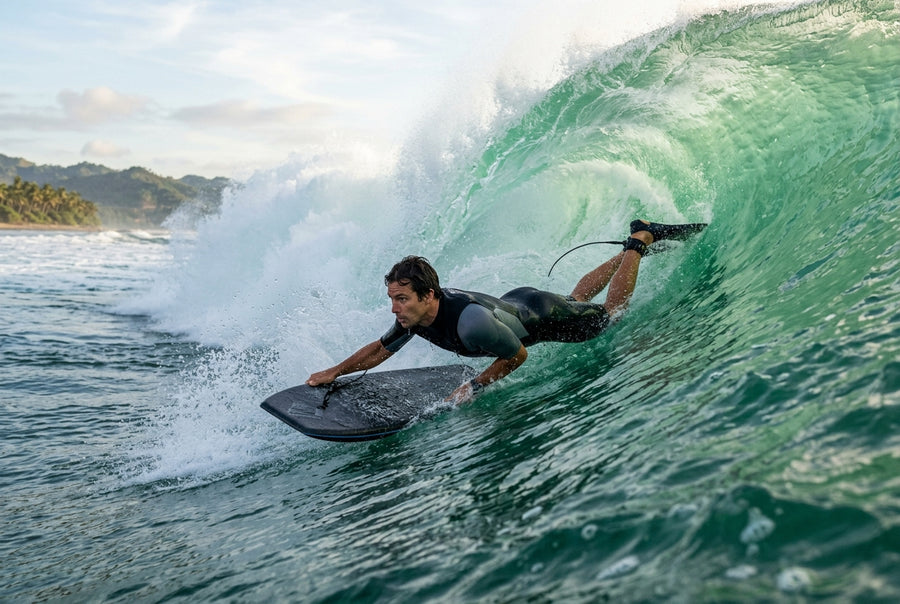
The bottom turn is the foundation of every move. It is performed at the bottom of the wave and lets you generate speed while setting your line. A good bottom turn relies on effective rail engagement: the inside elbow buries the rail, the inside fin acts as a skeg, your eyes aim at the section ahead. This is the manoeuvre that determines the success of all the others, because it puts the rider in the right place, at the right speed, to link the next move.
The cutback
The cutback means coming back towards the whitewater after moving away from the power zone. This move lets you stay in the wave when it loses intensity. You release the pressure on the inside rail, shift your weight onto the other rail and draw an arc back towards the whitewater, before setting off again. The cutback calls for fluidity and good board control; it is particularly useful for extending a ride on a soft wave.
The re-entry
The re-entry means climbing back up the wave to hit the lip before coming back down. It uses the wave's power to maintain speed. Timing is essential: you need to aim for the right section, reach the lip just as it stands up and engage the board enough to keep control on the way down. The re-entry is the gateway to the el rollo and the aerial moves.
The 360 spin
The 360 spin is a full rotation performed on the face of the wave. It is an accessible move that develops coordination and fluidity. The key: speed, weight carried on the front of the board to free the tail, fins out of the water, and the head initiating the rotation. Done well, it lets you carry on along your line without losing speed. The reverse spin is the same rotation in the opposite direction, more demanding in terms of wave reading, which adds variety to your style.
Drop-knee: another way to ride
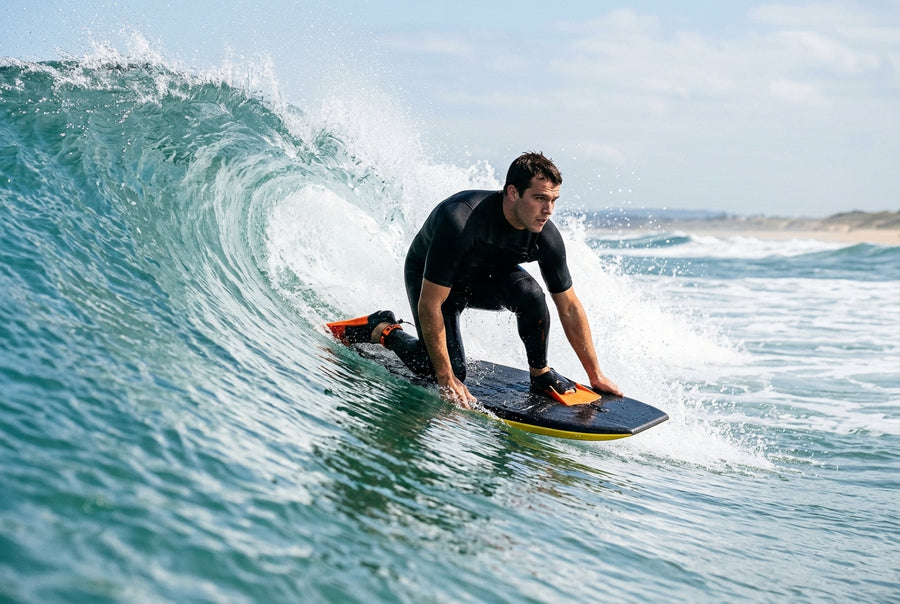
Drop-knee (DK) is ridden with one knee resting on the board and the other foot flat on the deck, the rear fin acting as a skeg. It is a style of its own, closer to surfing in its lines, which calls for good balance and a suitable board: one inch shorter than for prone, with a crescent tail for hold.
The signature move is the drop knee turn, a powerful turn at the bottom of the wave, knee locked and weight on the front foot. Then come the DK cutback and the re-entry. Drop-knee is first worked on in soft, long waves, where you have time to find your balance before attacking hollow sections.
The iconic bodyboarding moves
The el rollo
The el rollo is the most representative move in bodyboarding. It consists of performing a rotation using the lip of the wave as a pivot point: bottom turn, climb towards the lip, and just as it stands up, you let it throw your body and board into a roll above the face before dropping back into the wave. The el rollo calls for good timing and enough speed; you first work on it on small lips, keeping the board pressed against you.
The tube ride
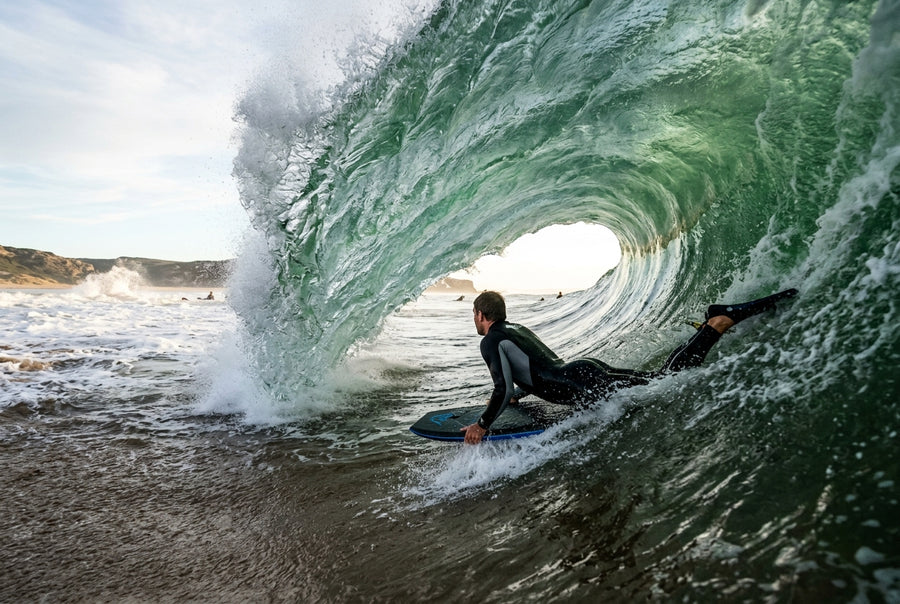
The tube ride means positioning yourself inside the tube formed by the wave. It is the most sought-after experience in bodyboarding, and one of the sport's advantages over surfing: lying down, right at water level, you can get into short, hollow tubes out of reach of a surfboard. It demands excellent wave reading and the ability to adjust your speed, braking with the fins or accelerating with your weight, to stay behind the lip for as long as possible.
Aerial moves for advanced riders
The invert
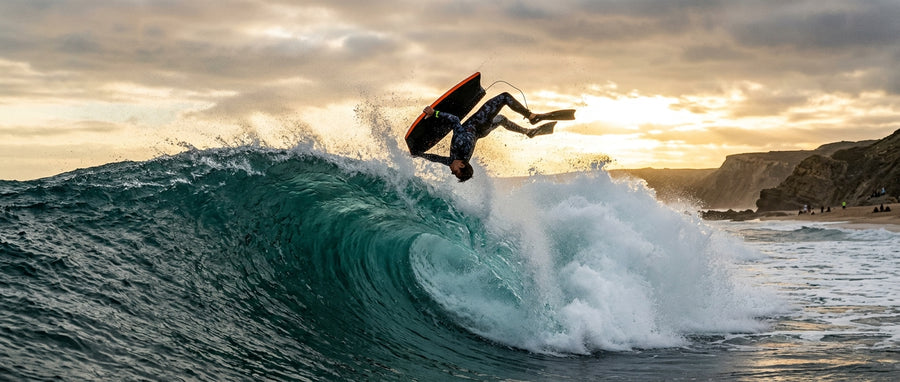
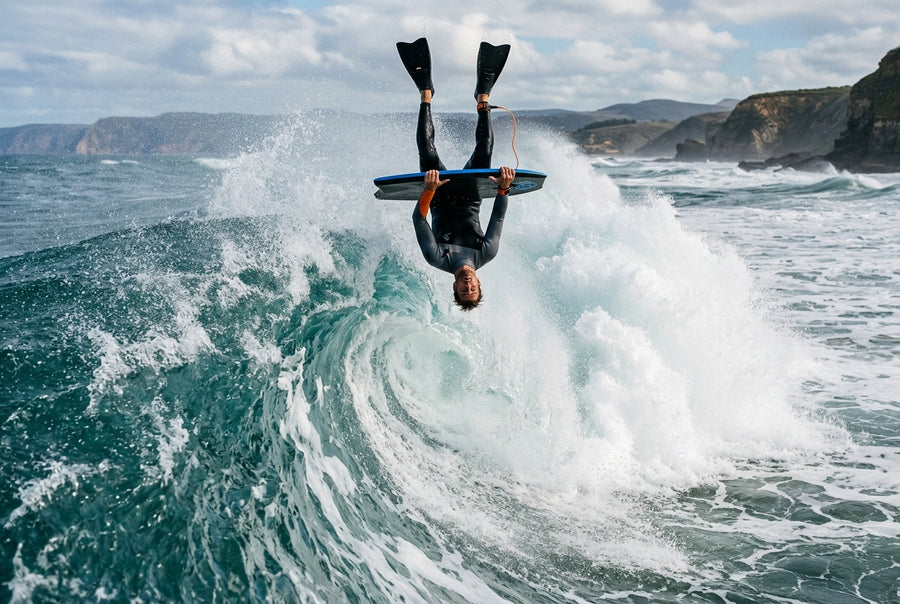
The invert is a spectacular move in which the rider performs an inverted rotation by throwing their legs above their head, vertically above the lip. Typical of bodyboarding, it demands a great deal of commitment. Success depends on speed, timing and body control in the air, as well as making good use of the lip to get launched. You land on the face or in the whitewater, board first.
The ARS (air roll spin)
The ARS combines an el rollo and a rotation in the air: the rider gets launched by the lip, performs the roll and adds a spin before dropping back onto the face. A highly technical move, it requires excellent mastery of the basics and a wave with a section that stands up. To land an ARS, you need to generate speed, launch yourself correctly and control the rotation before coming back onto the wave.
The backflip
The backflip is a full backward rotation performed thanks to the wave's projection. Reserved for experienced riders, it demands power, a vertical section and great precision to land correctly in the wave. Control is essential to avoid the wipeout and protect your neck.
The forward spin
The forward spin is a fast forward rotation, often used to link into other moves. It lets you maintain speed and add style. It is the ideal move for improving fluidity and preparing for more complex manoeuvres.
How to progress with your moves
Progress rests on repetition and observation. You master the basic moves before attempting the more complex ones, and you respect the order: bottom turn, cutback, 360, re-entry, then el rollo. Analysing your sessions, watching other riders, filming yourself once a month and adapting to the conditions speeds everything up. Patience is essential: a clean el rollo often takes a whole season.
- Choose the wave for the move: a 360 on a soft wave, an el rollo on a lip that stands up
- One move per wave to begin with, then combinations
- Gear follows your level: bat tail for rotations, crescent tail for control and drop-knee
- In cold water, a PE board keeps its flex; in warm water, PP keeps its snap
Frequently asked questions about moves
What are the basic bodyboarding techniques?
Kicking, the take-off (getting going on the green wave, weight forward), engaging the rail to turn, and getting through the waves to get back out to the peak. Once these four skills are acquired, the bottom turn is the first move, and it opens the door to all the others.
How do you get through the waves on a bodyboard?
When you can touch the bottom: push the nose of the board under the whitewater and dive underneath it. Out of your depth: push the nose down with your hands, board pressed under your chest, and kick towards the bottom just as the whitewater arrives, like a duck diving. Fins make getting through much easier and quicker.
How do you do a 360 on a bodyboard?
Build speed with a bottom turn, climb slightly up the face, move your weight forward onto the front of the board to free the tail, lift your fins out of the water and initiate the rotation with your head and shoulders. Once the tail has swung round in front, bring your weight back to finish the turn and set off again in the same direction.
How do you do an el rollo?
Bottom turn, then climb towards the lip just as it stands up. When the lip hits the board, let it throw you: body and board roll over above the face. Keep the board pressed against you during the rotation and look at your landing spot. Start on 50 cm lips before looking for hollower sections.
Is bodyboarding easier than surfing?
For getting started, yes: your first wave comes in your very first session. For the moves, it is another matter: the el rollo, the invert or the backflip take years of work, and the waves they are performed on are often hollower than those used for surfing.
In what order should you learn the moves?
Bottom turn, cutback, 360, re-entry, el rollo, then tube ride when the waves allow it. The aerial moves (forward spin, ARS, invert, backflip) come next, in that order. Drop-knee is worked on in parallel, from the moment you catch the green wave every time.
Going further: progressing, kitting out a child, riding in winter
Bodyboarding for kids
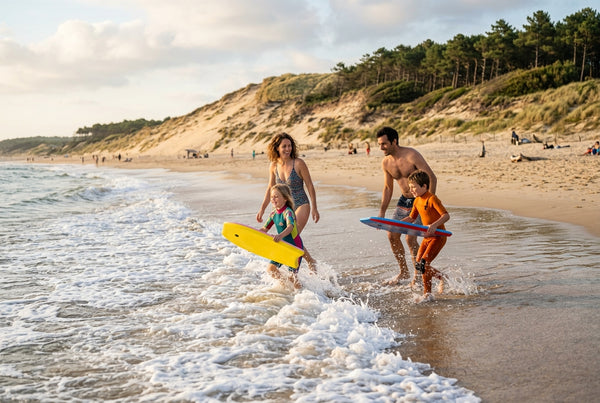
Size by age and weight, foam or PE core, leash, fins and safety to choose a child's board.
Bodyboarding in winter
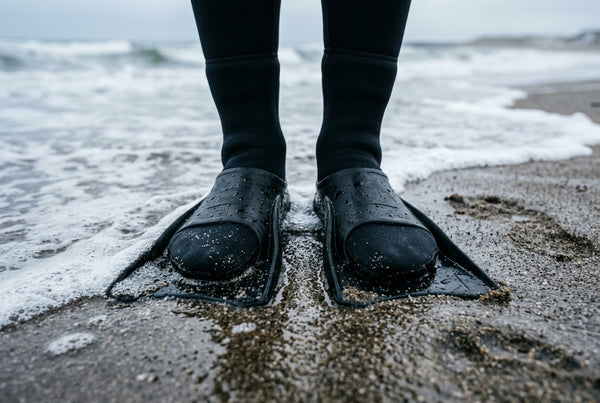
4/3 or 5/4 wetsuit, boots, gloves, hood, board and cold-water wax, session routine: ride all year round.
How do you bodyboard?
The beginner's guide: gear, spot, position on the board, kicking, your first wave in 6 steps, mistakes and safety.
A board built for moves
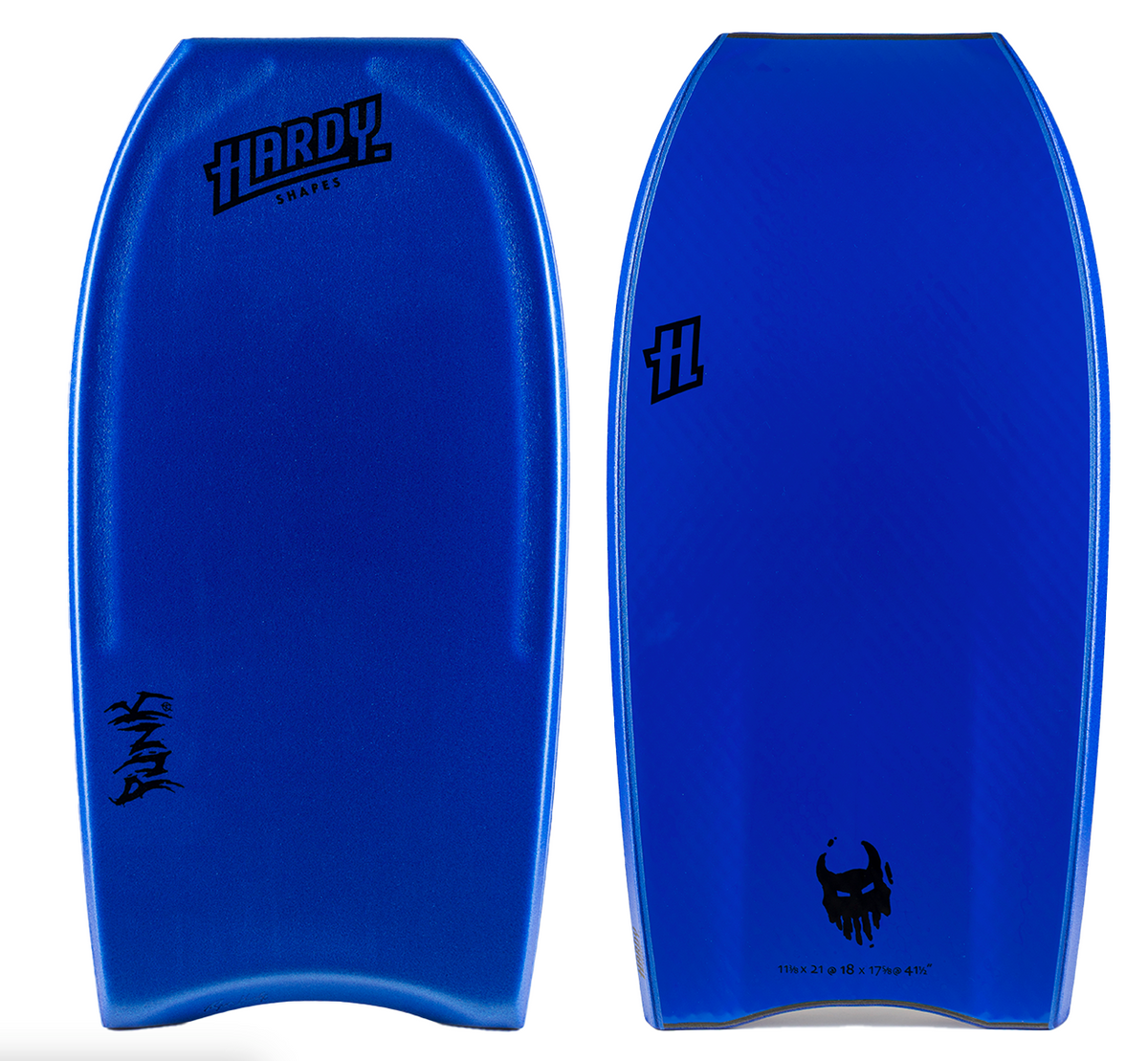
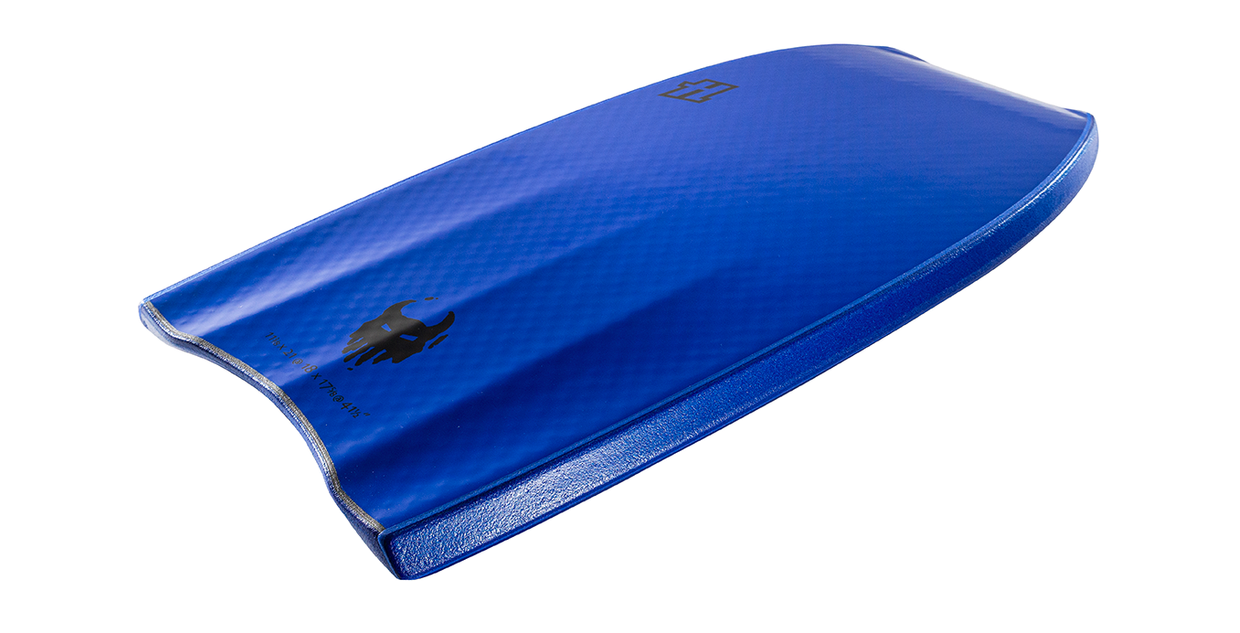
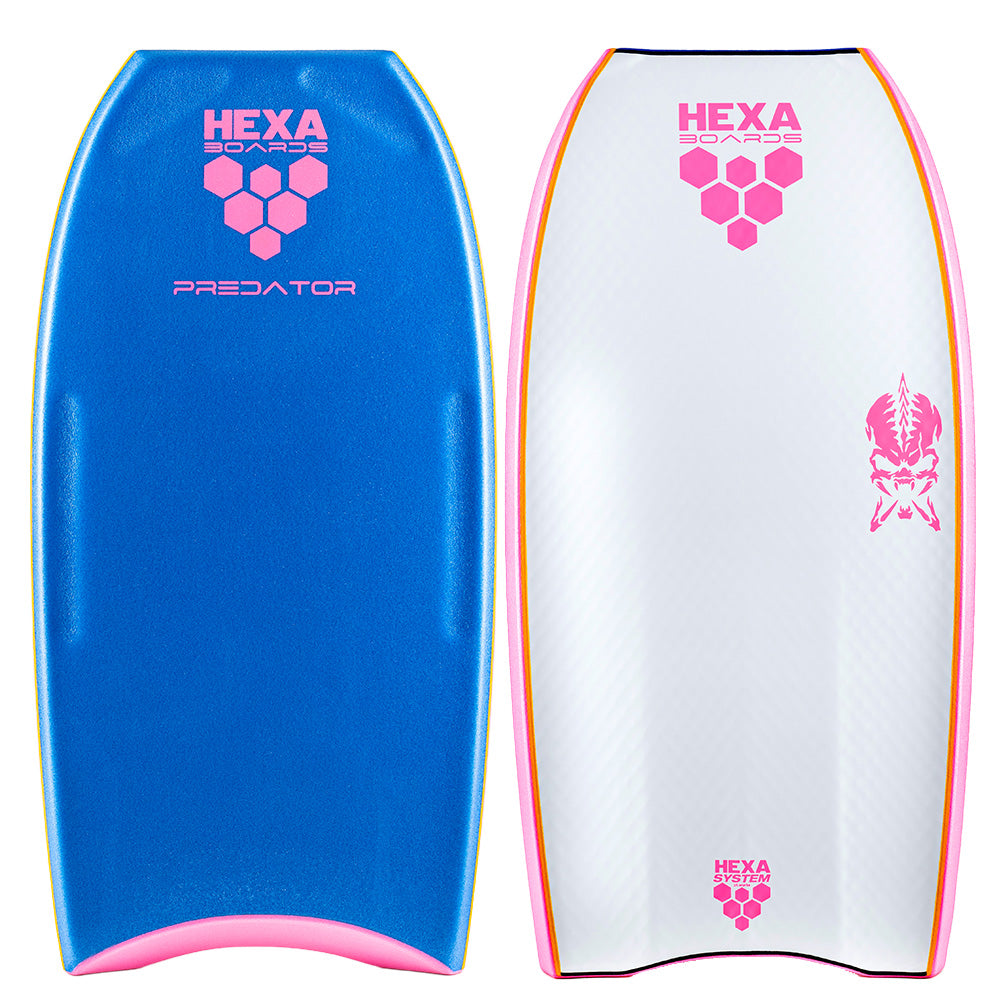
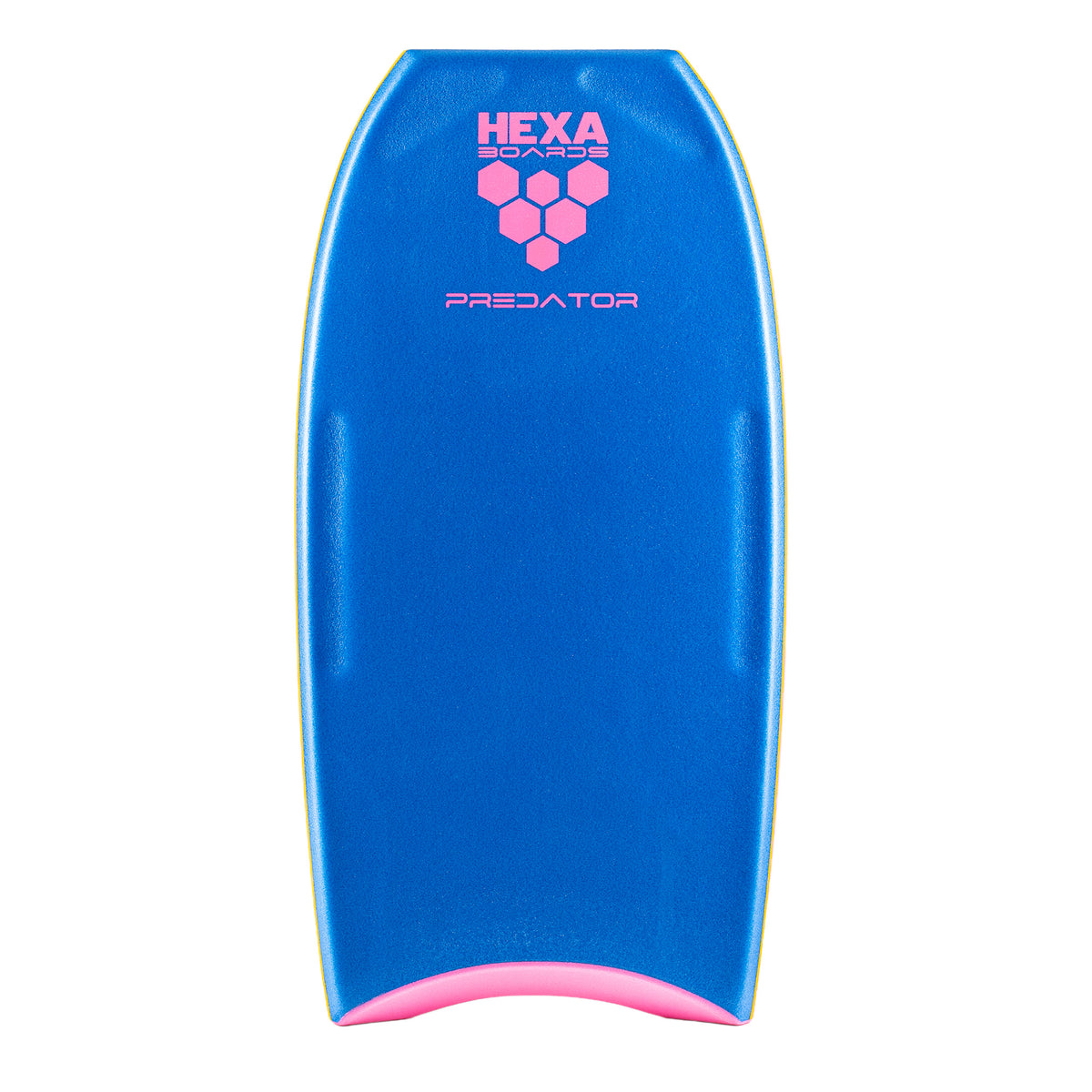
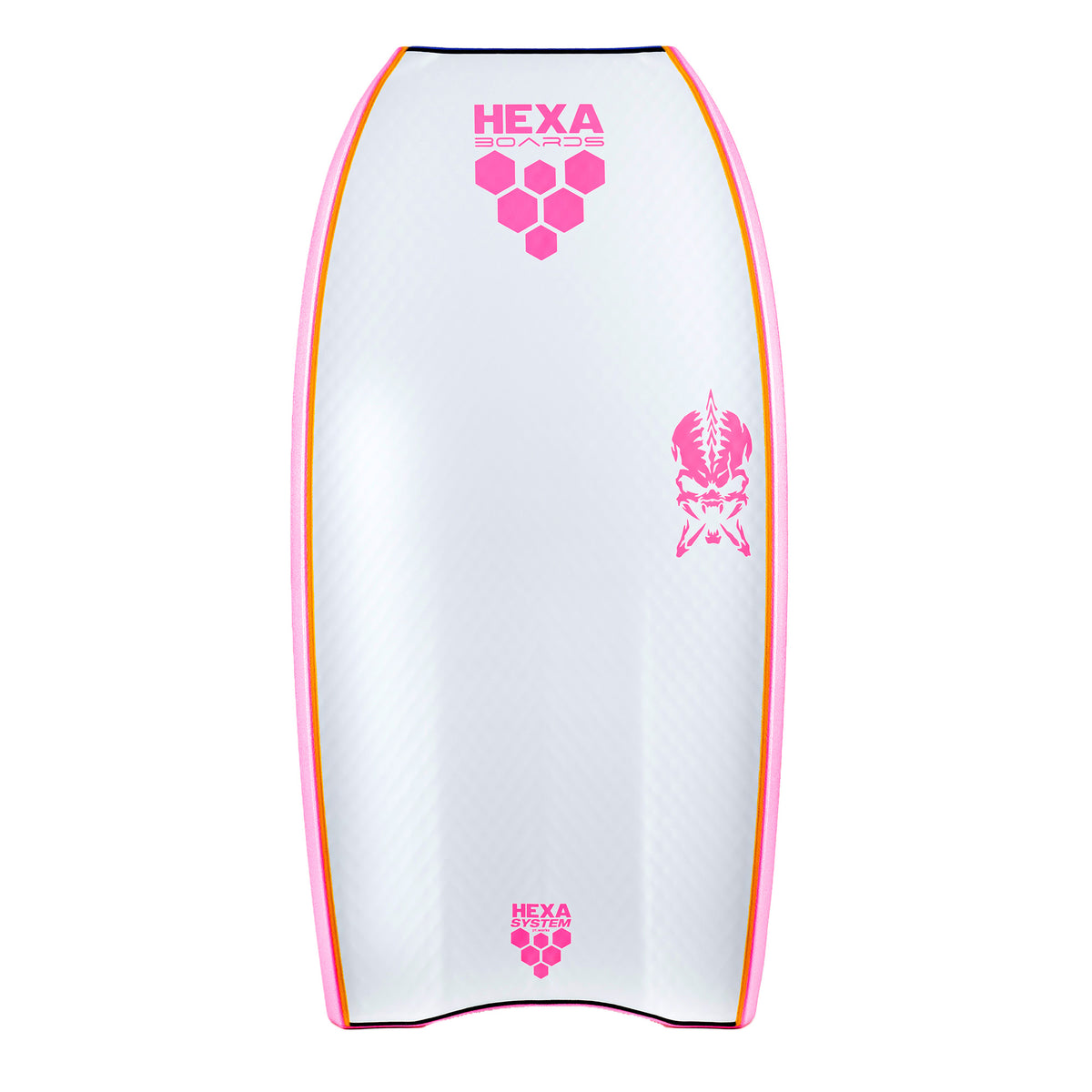
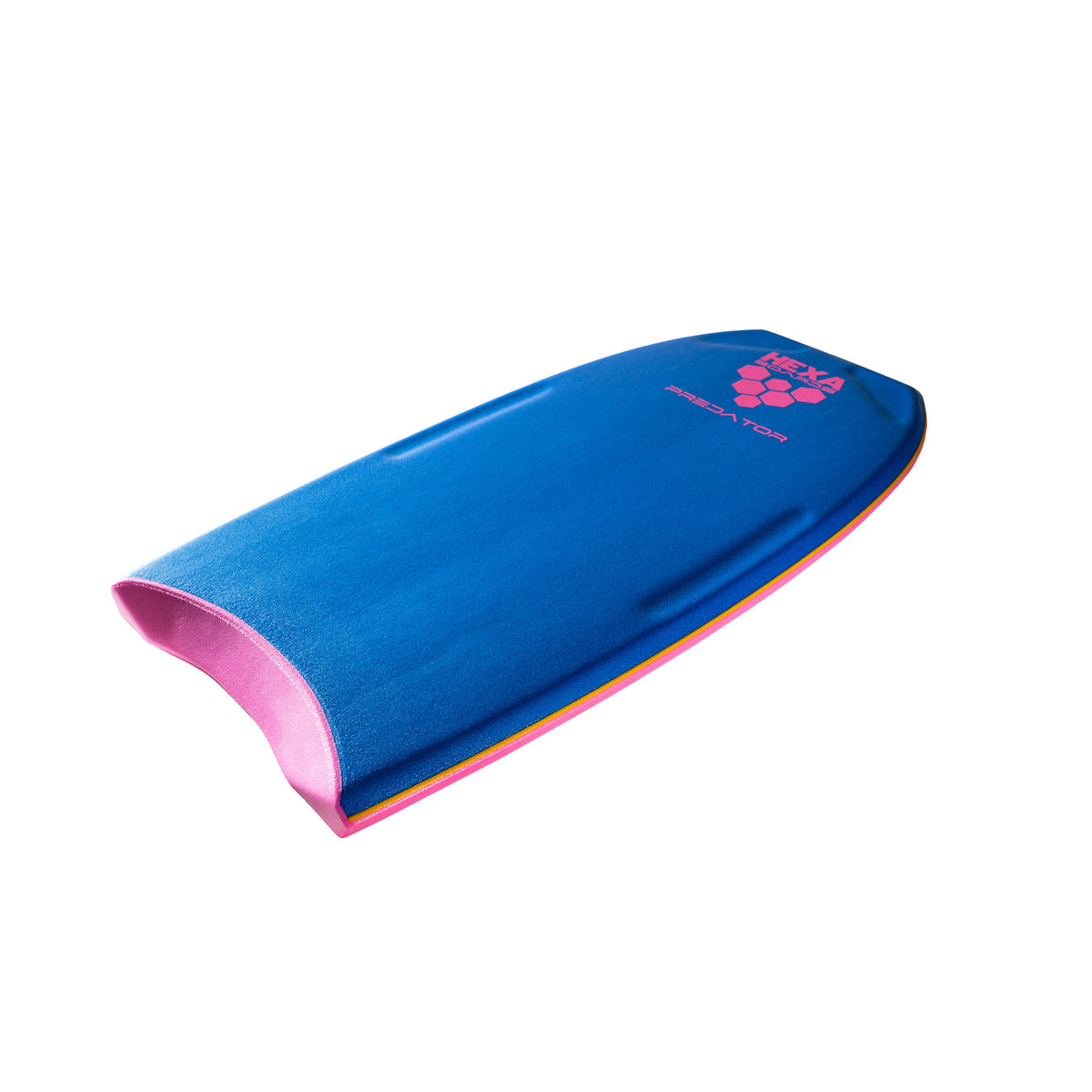
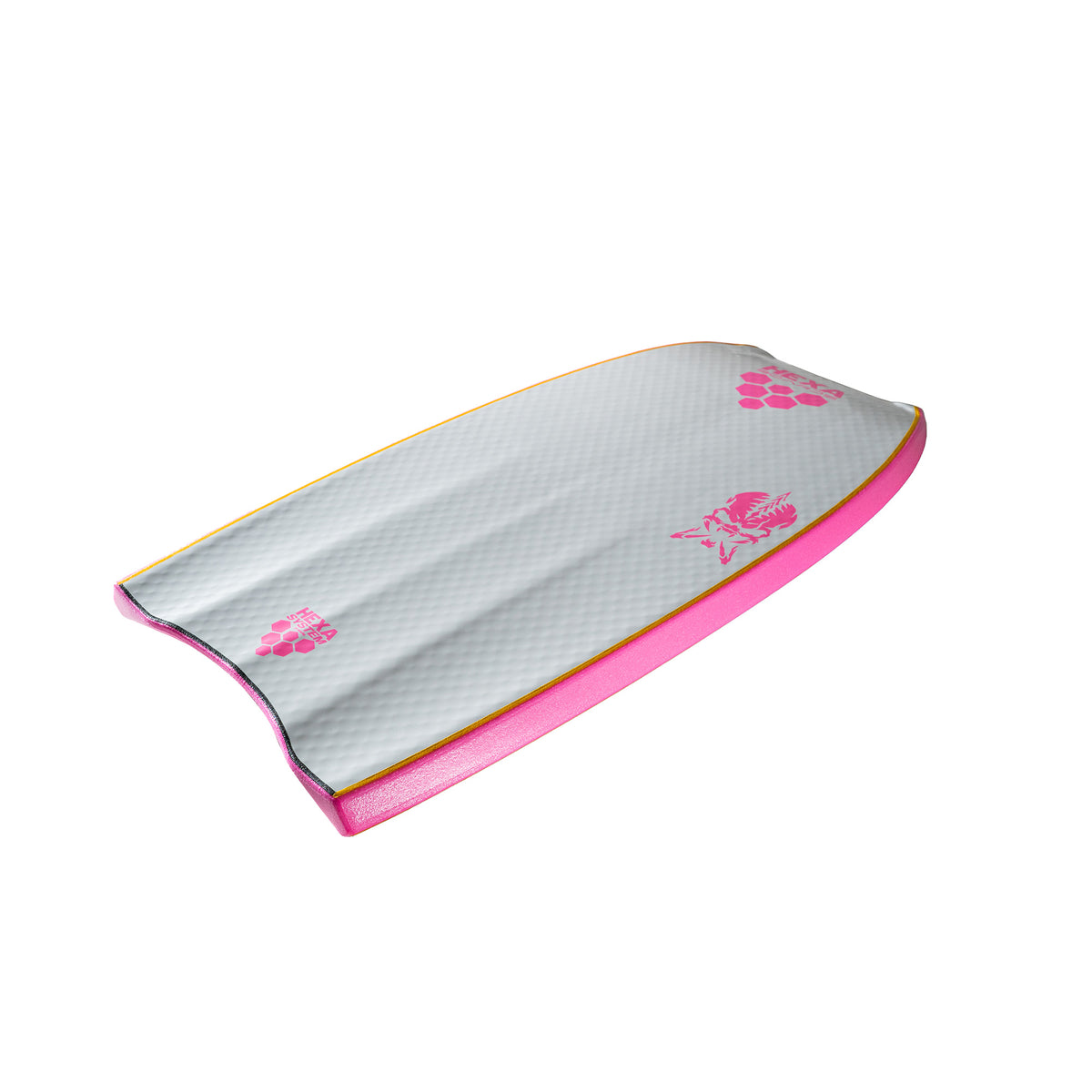
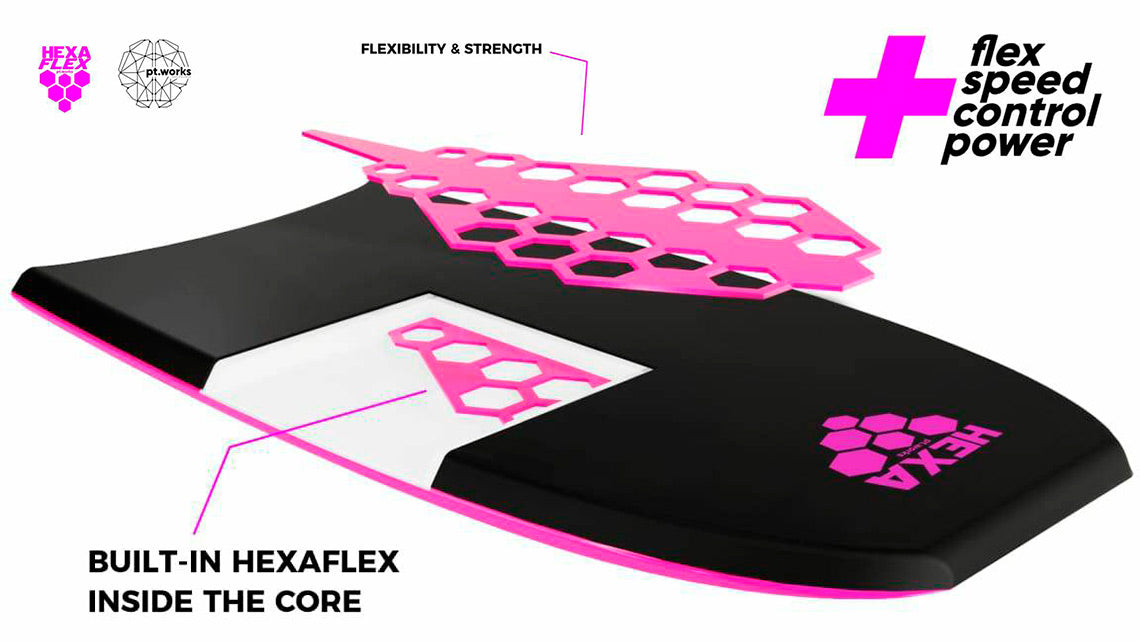
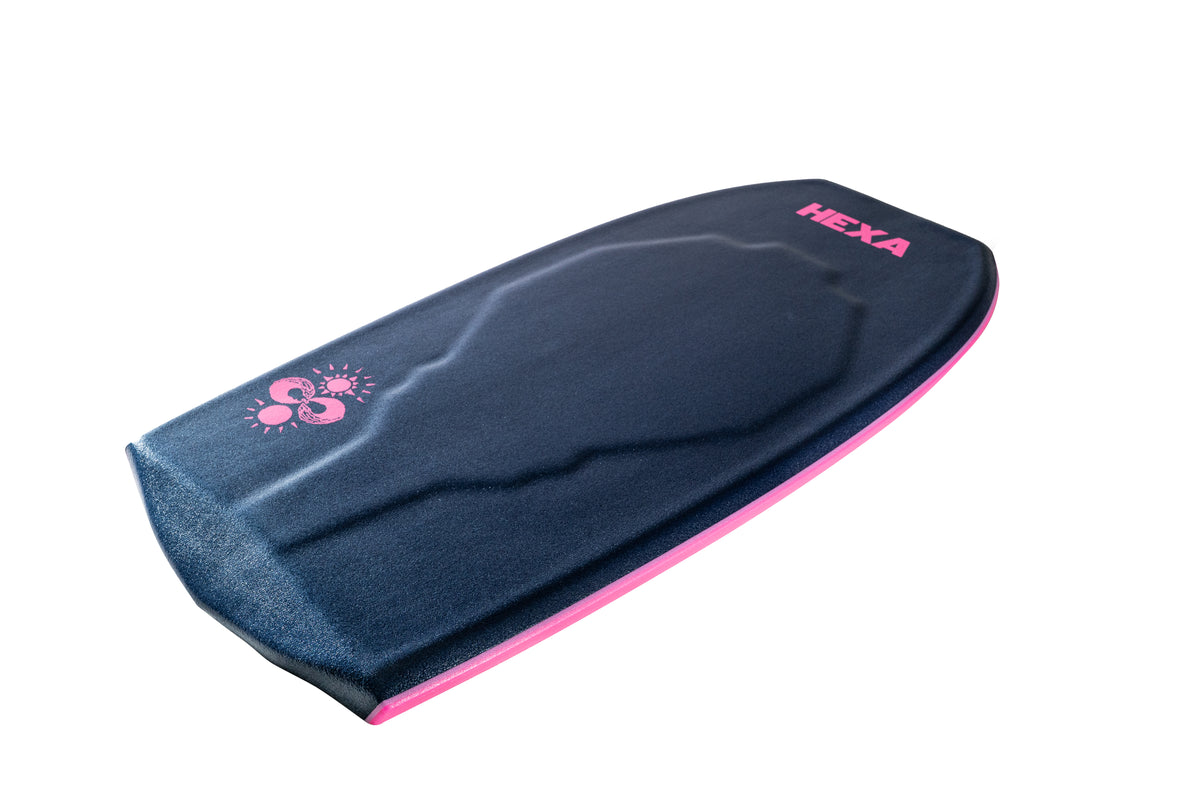
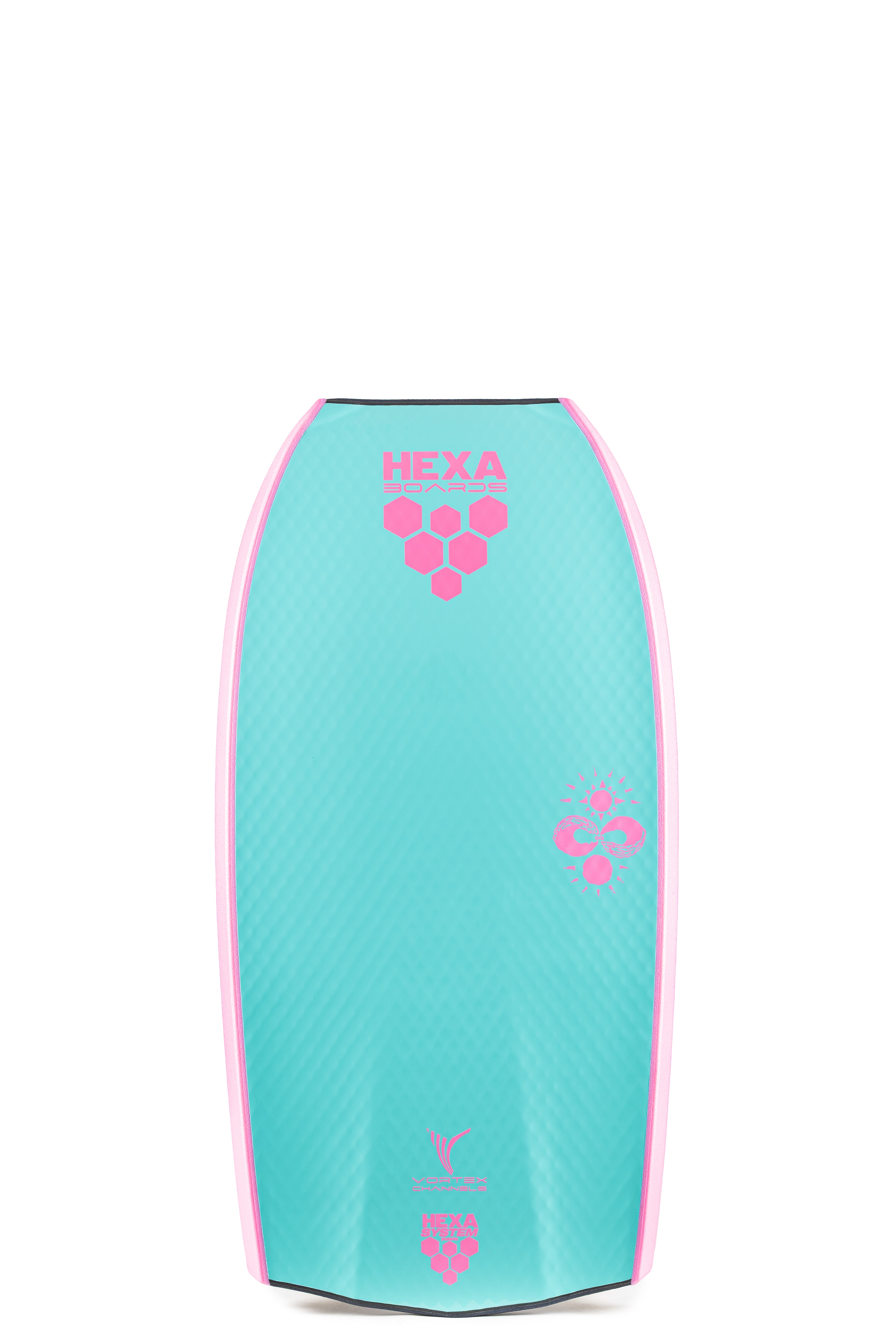
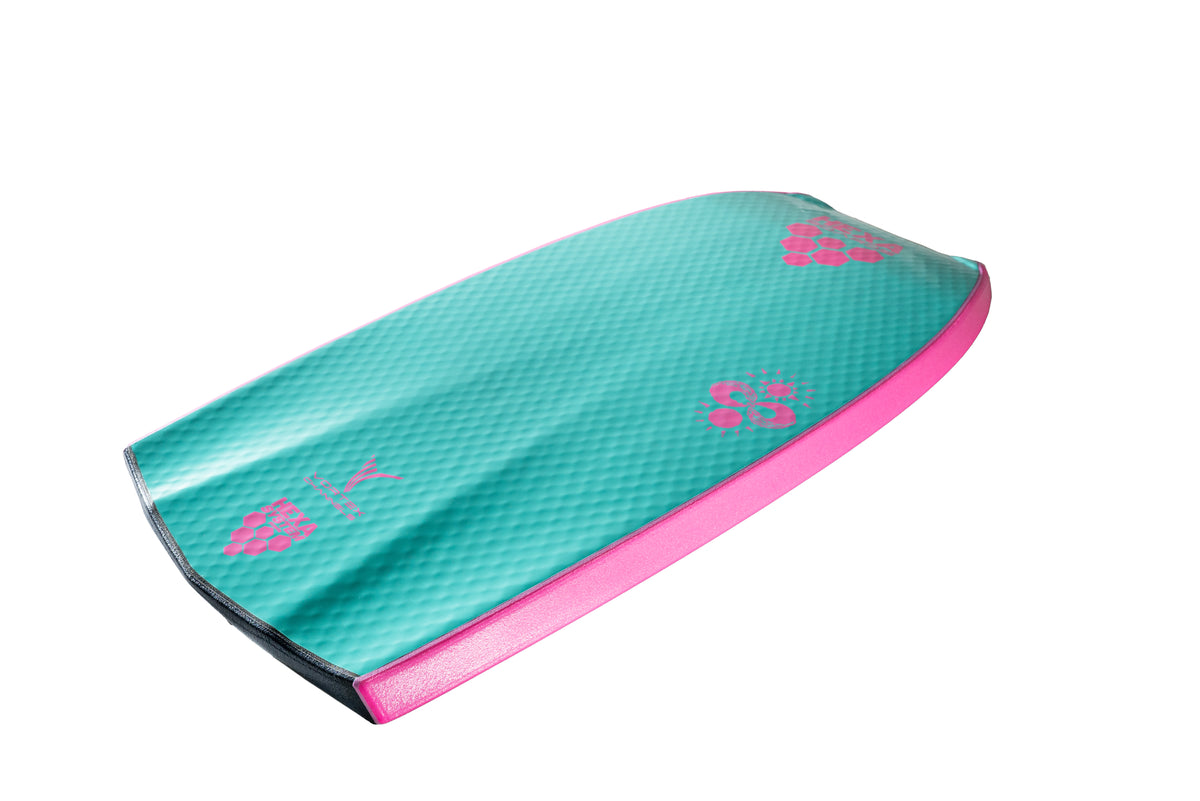
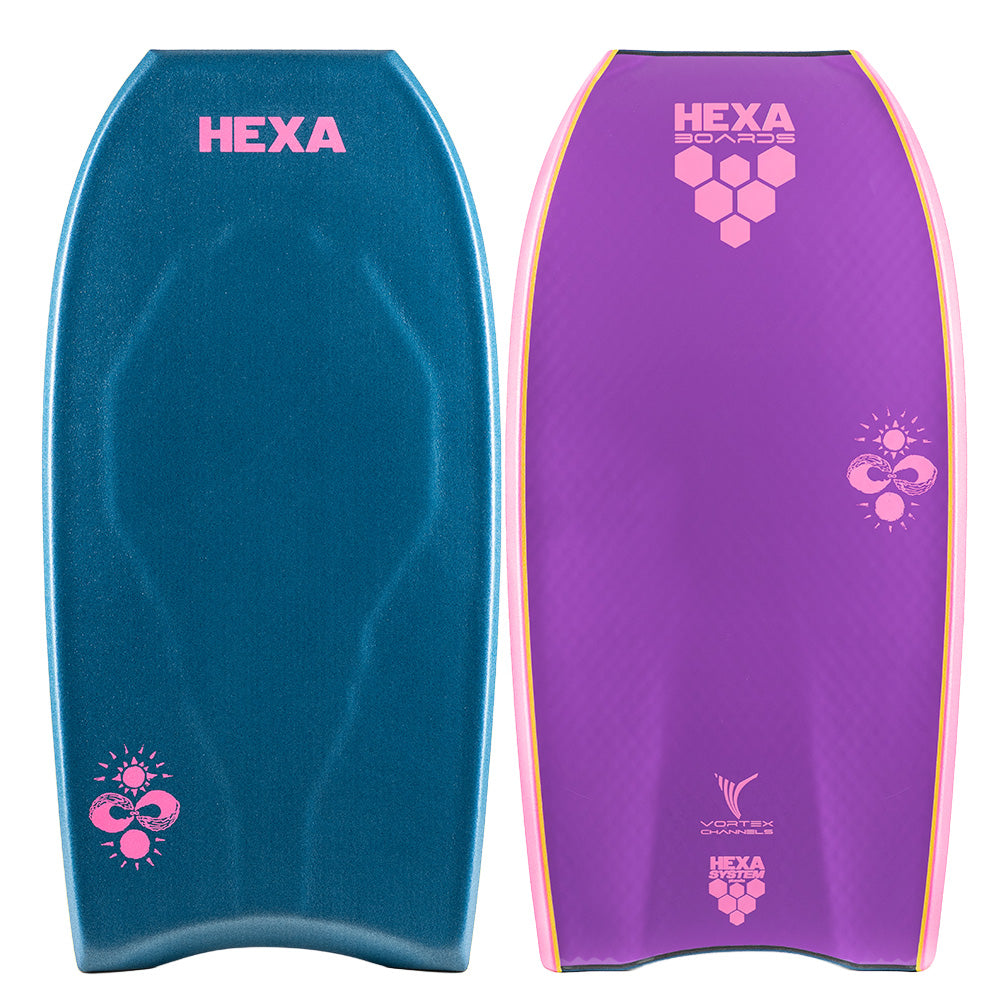
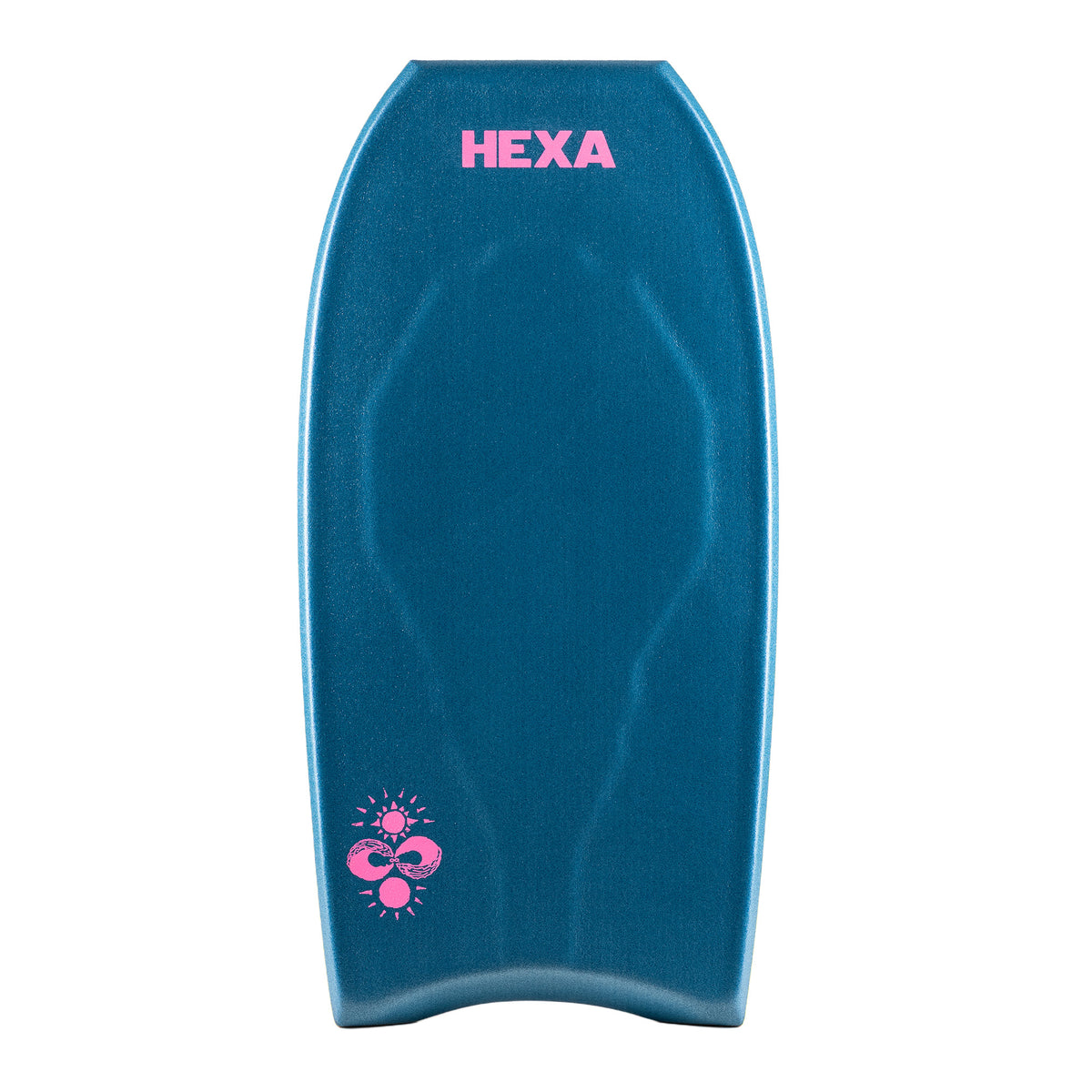
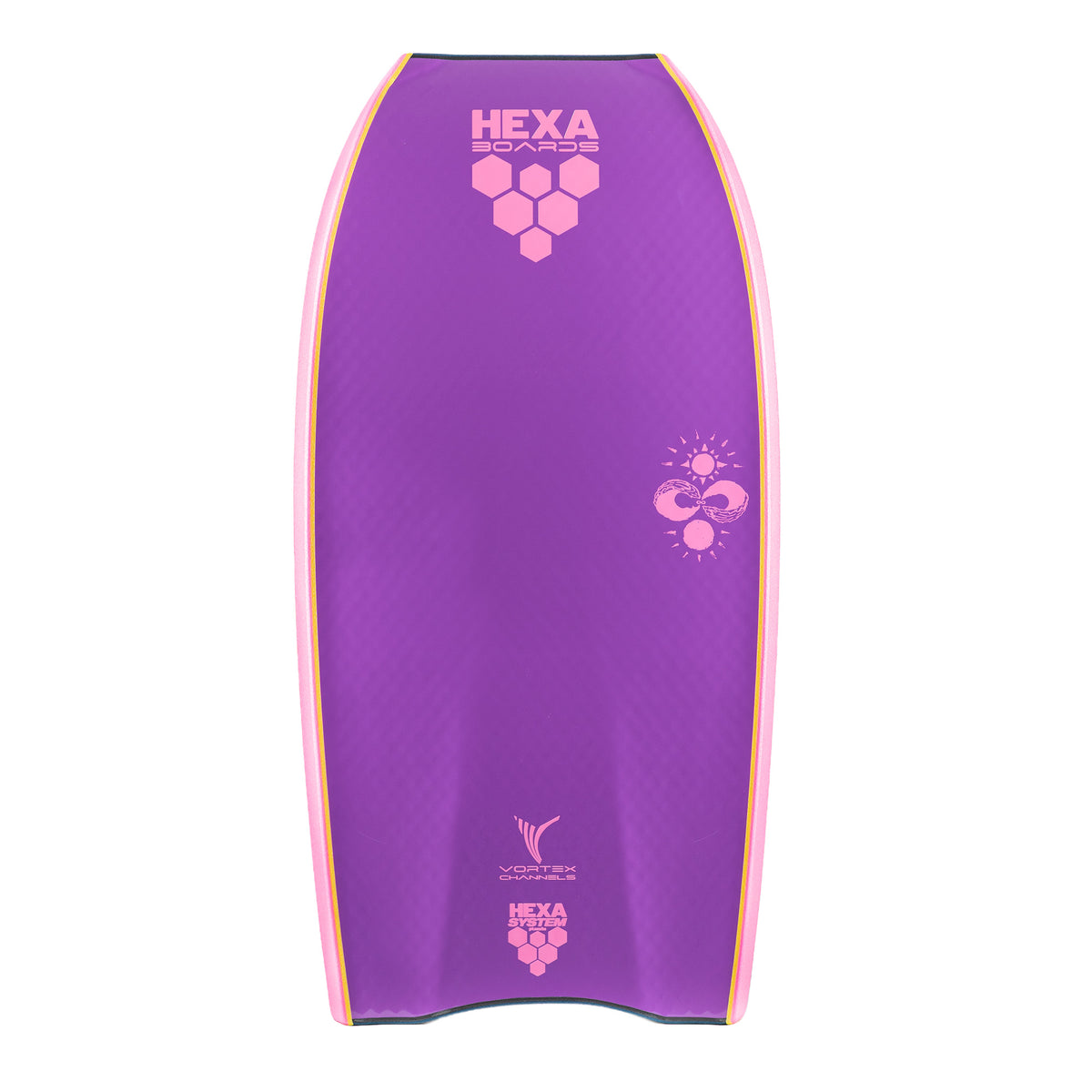
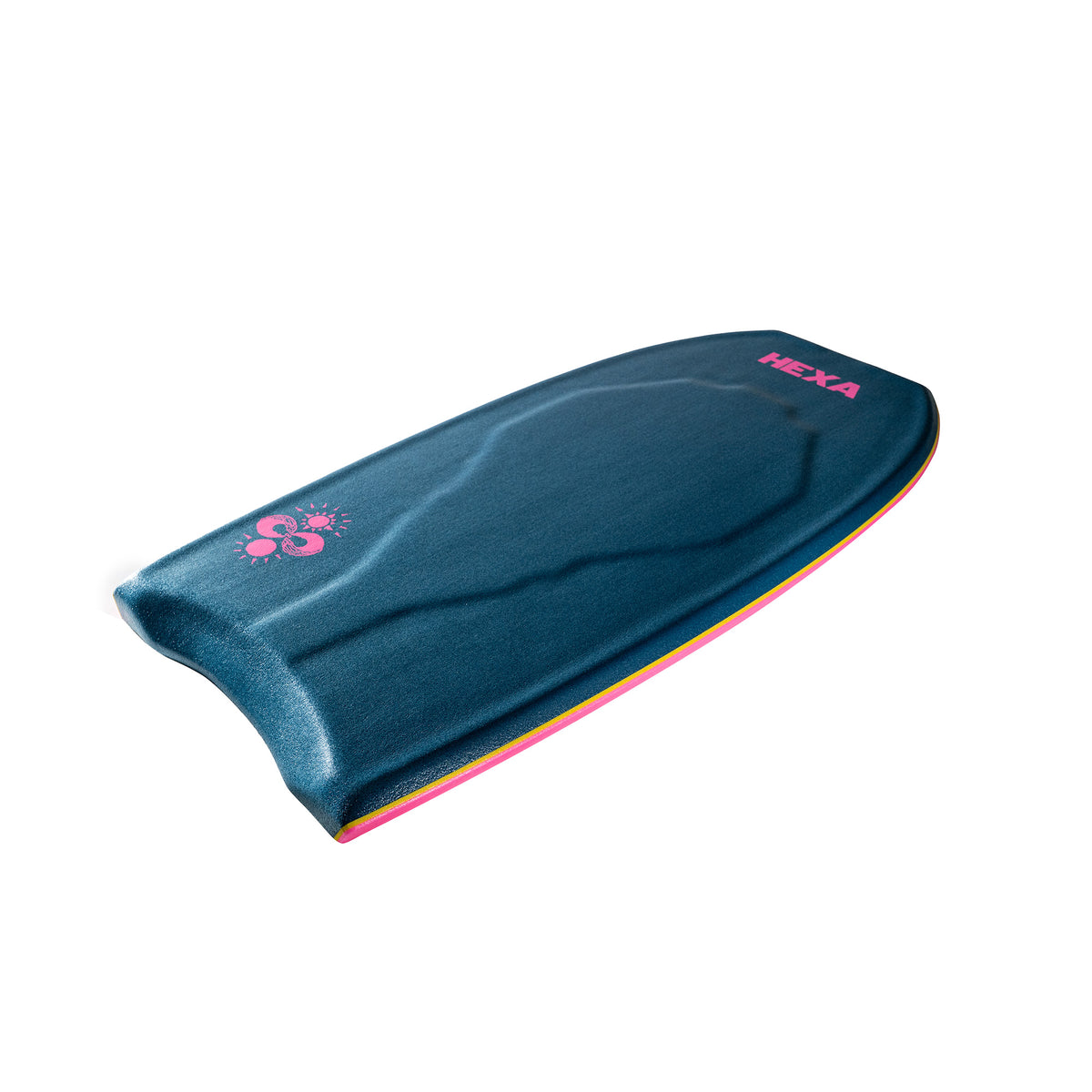
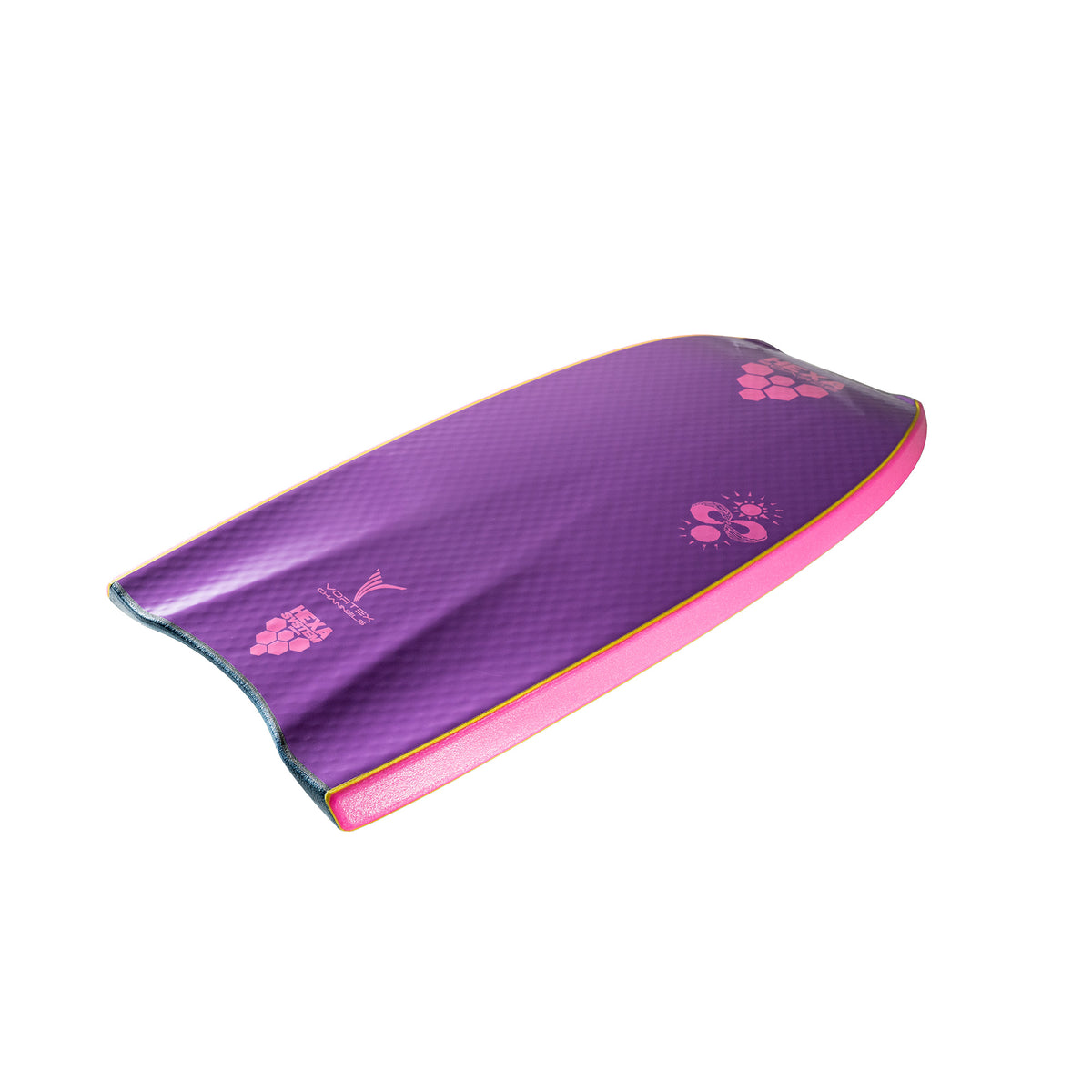
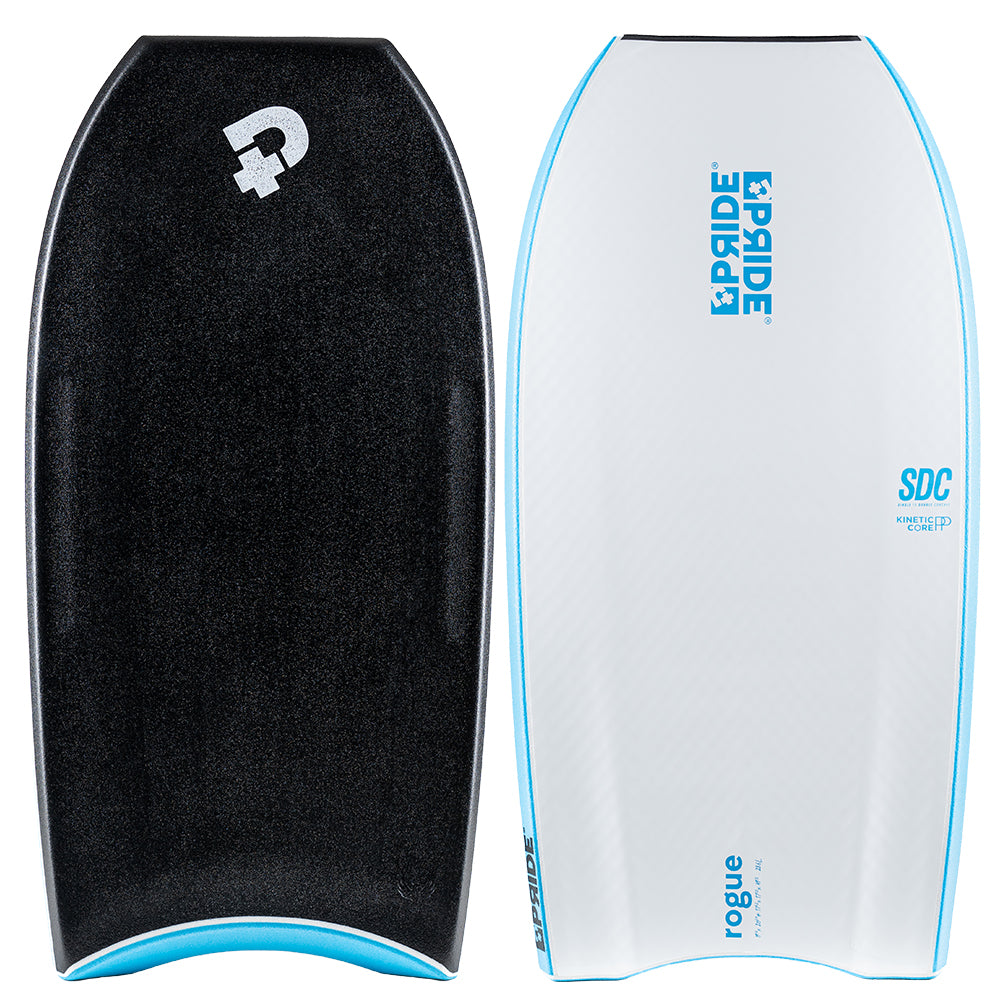
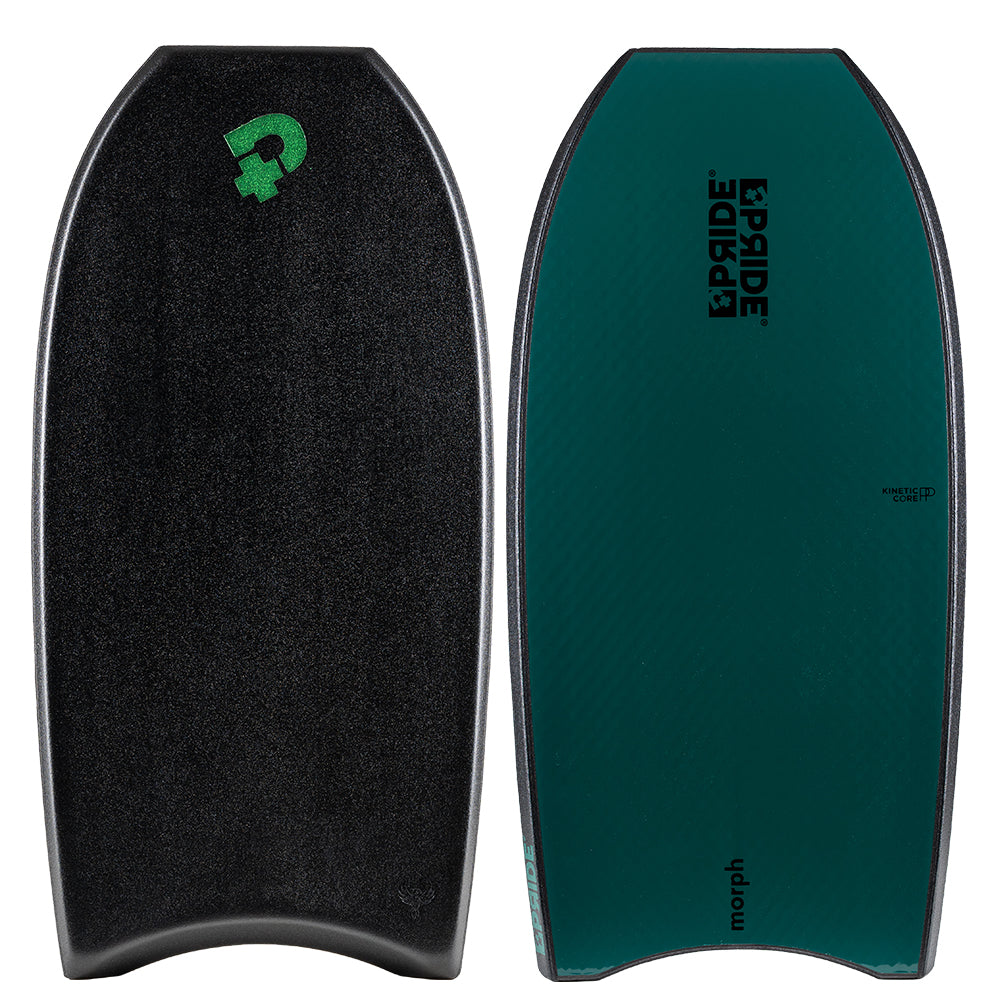
Bat tail for rotations, crescent tail for control, PP core for snap: our bodyboards cover every level, from the team riders' signature models to progression boards.
See our bodyboards