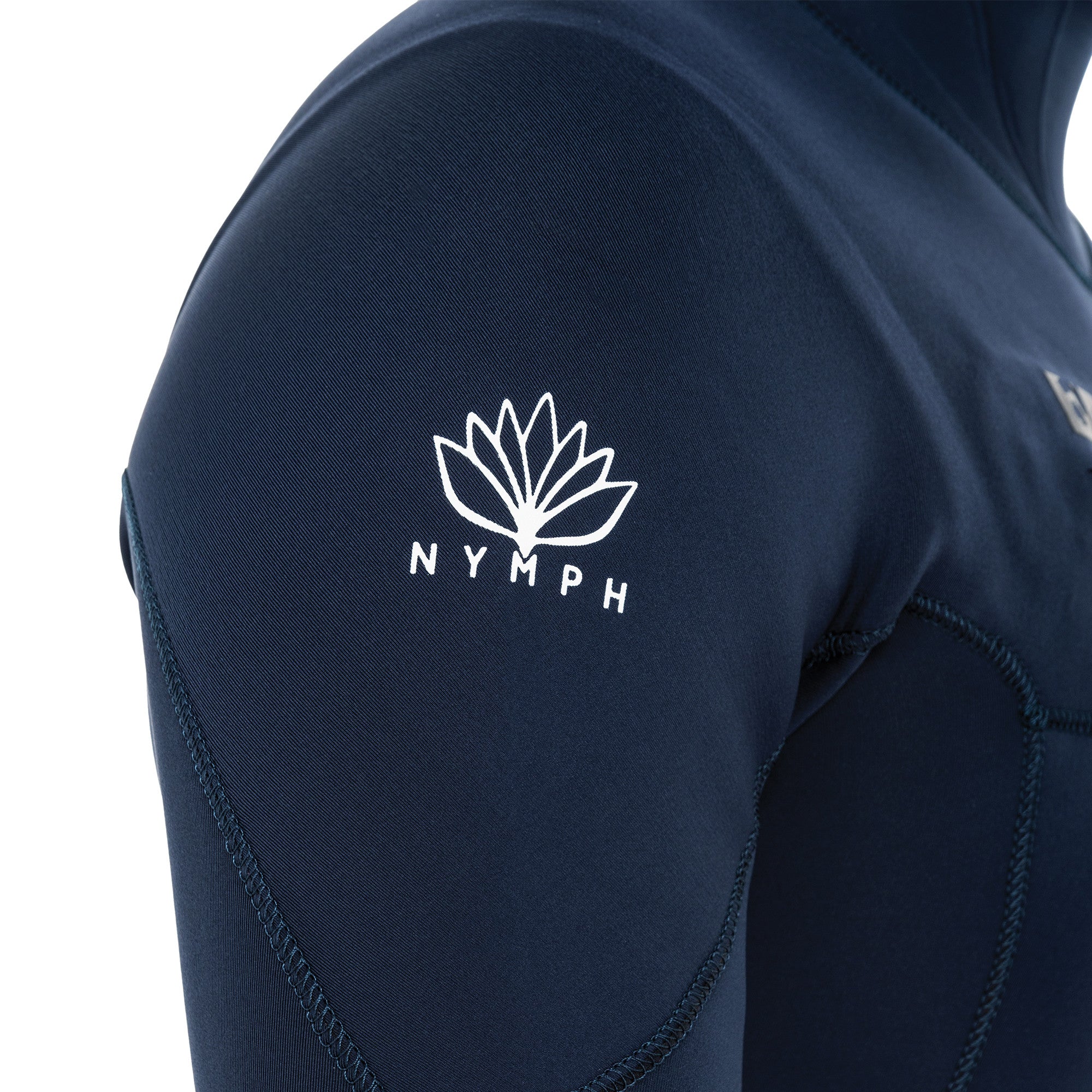
Winter bodyboarding: wetsuit, boots, gloves and hood for cold water
Winter is the best bodyboarding season on the Atlantic coast: regular swells, well-shaped sandbanks, empty beaches. Provided you are kitted out for water at 10-13 °C. Many riders neglect the gear specific to the cold season, which shortens their sessions or puts them in danger. This guide covers what you need: the winter wetsuit (4/3 or 5/4), neoprene boots and socks in your fins, gloves, hood, how the board behaves in cold water, wax, and the routine before, during and after the session.
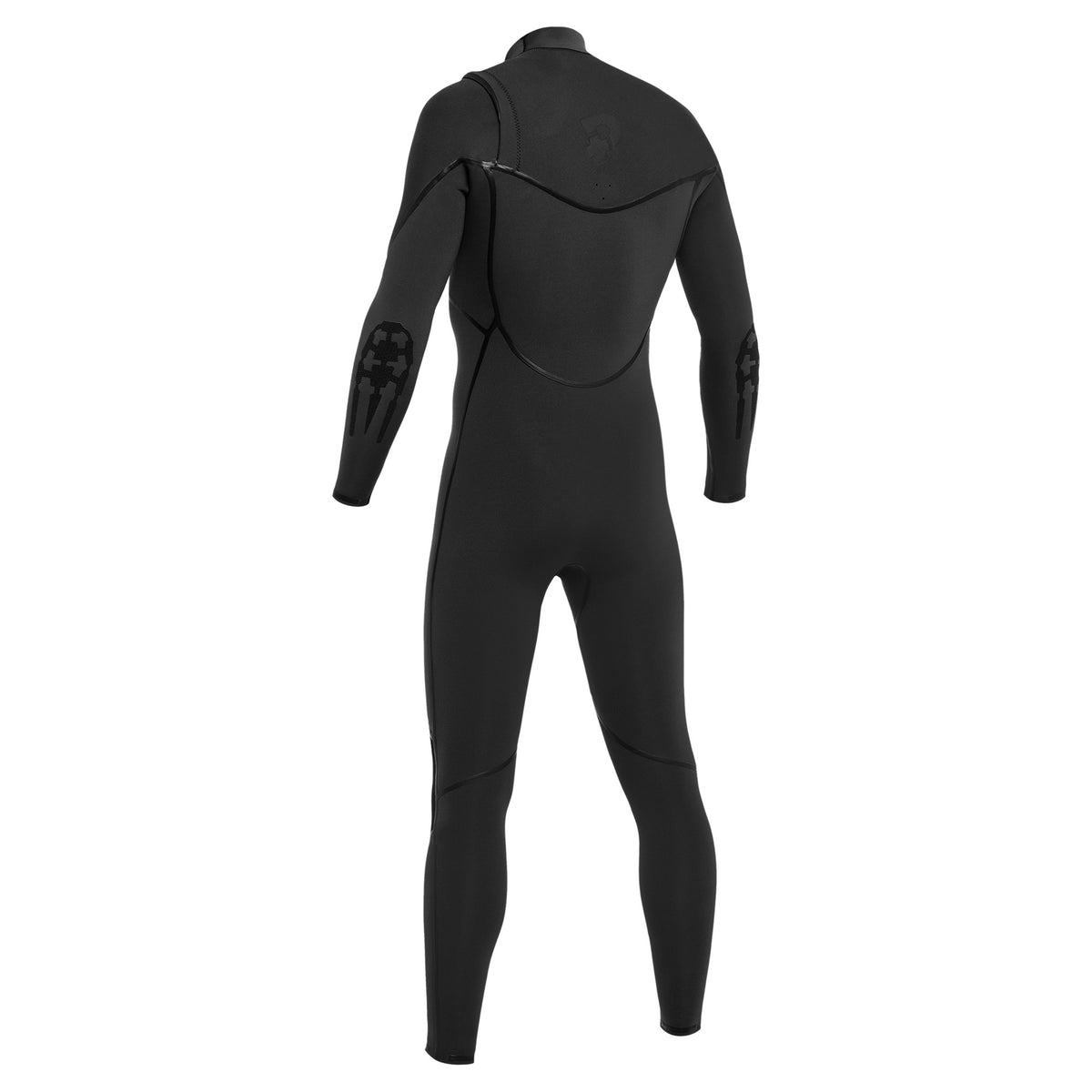
Which bodyboarding wetsuit for winter?
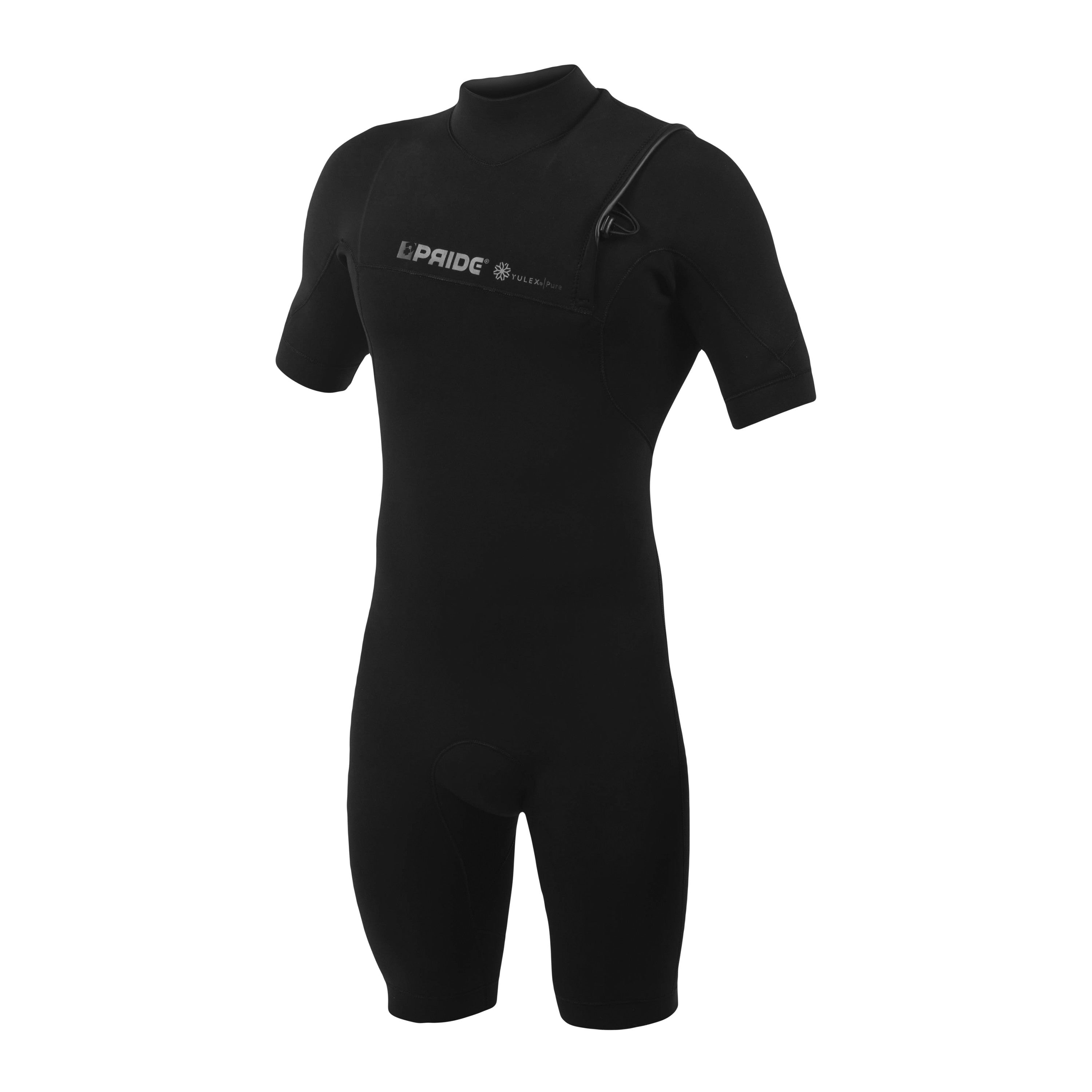
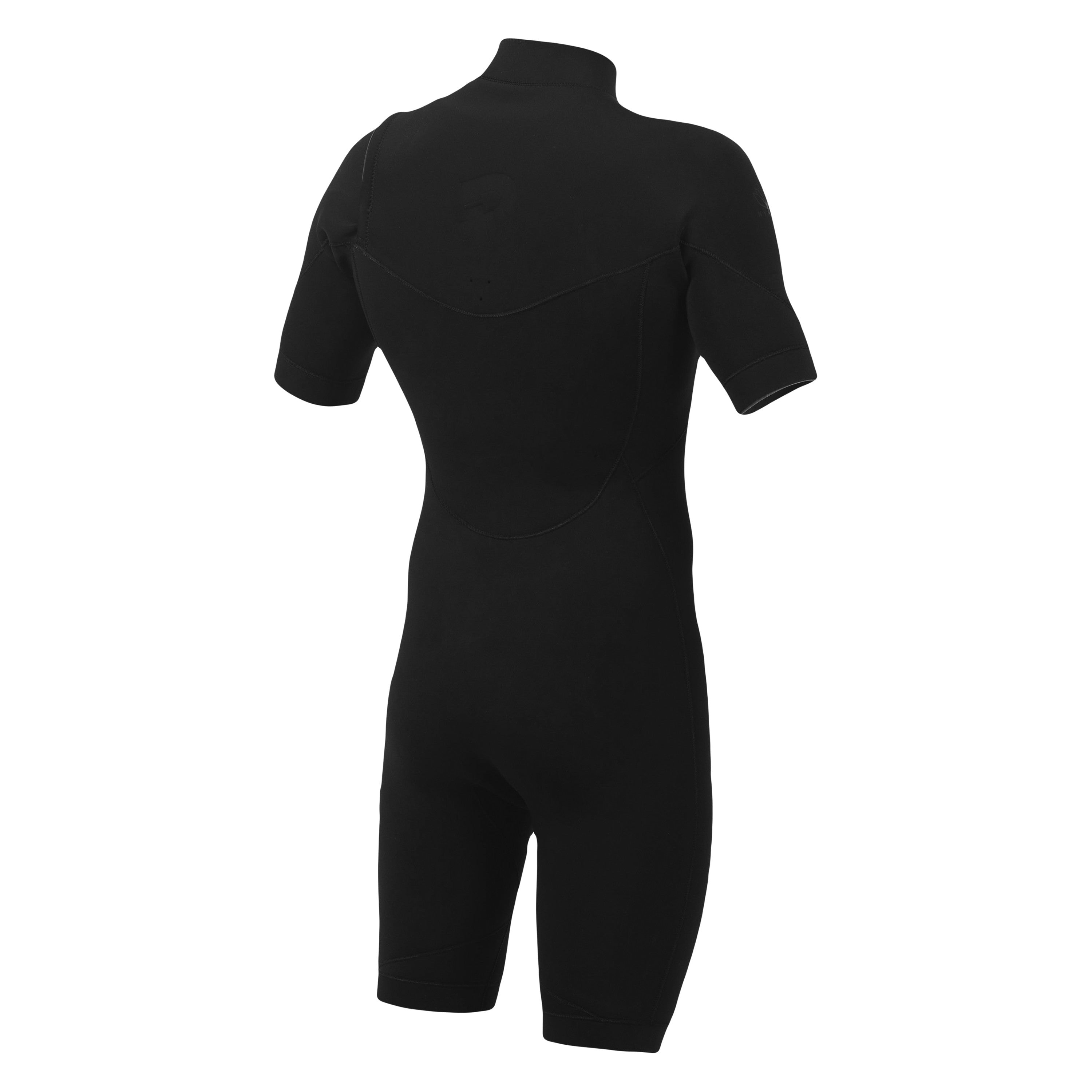
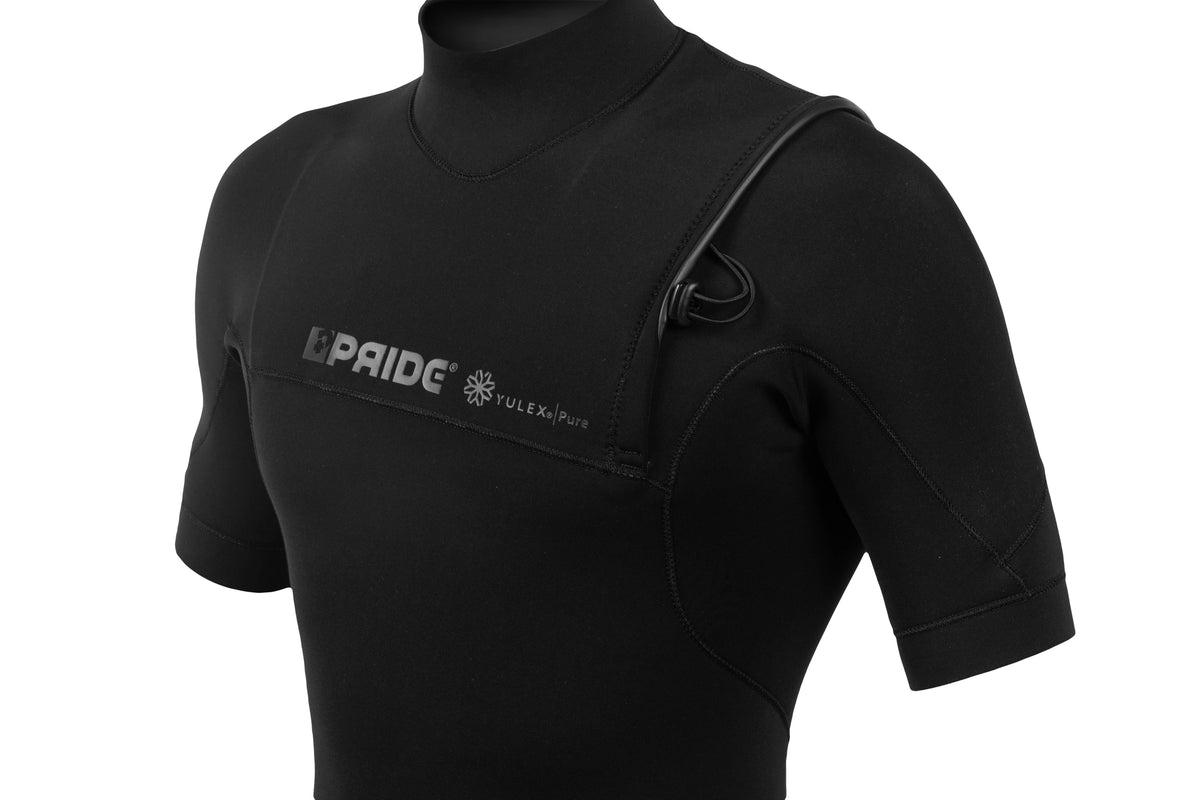
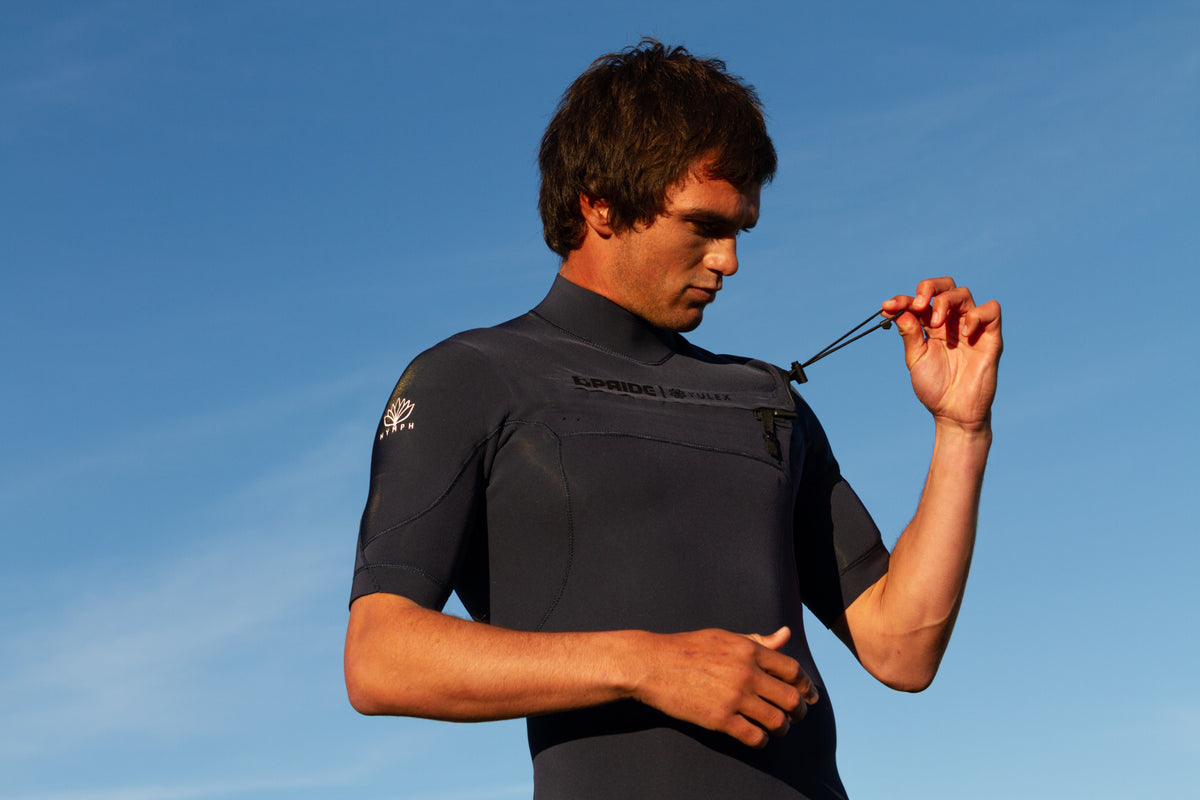
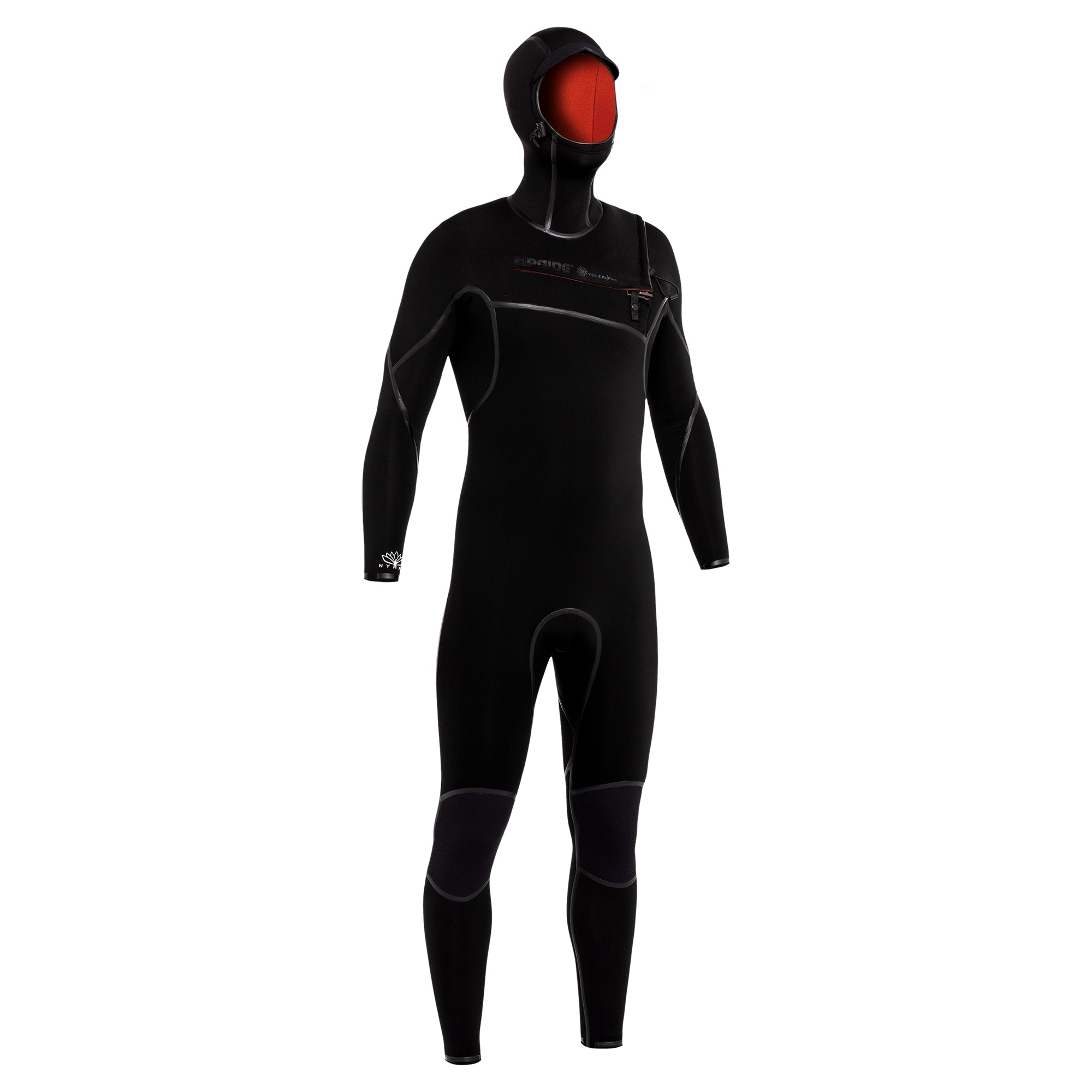
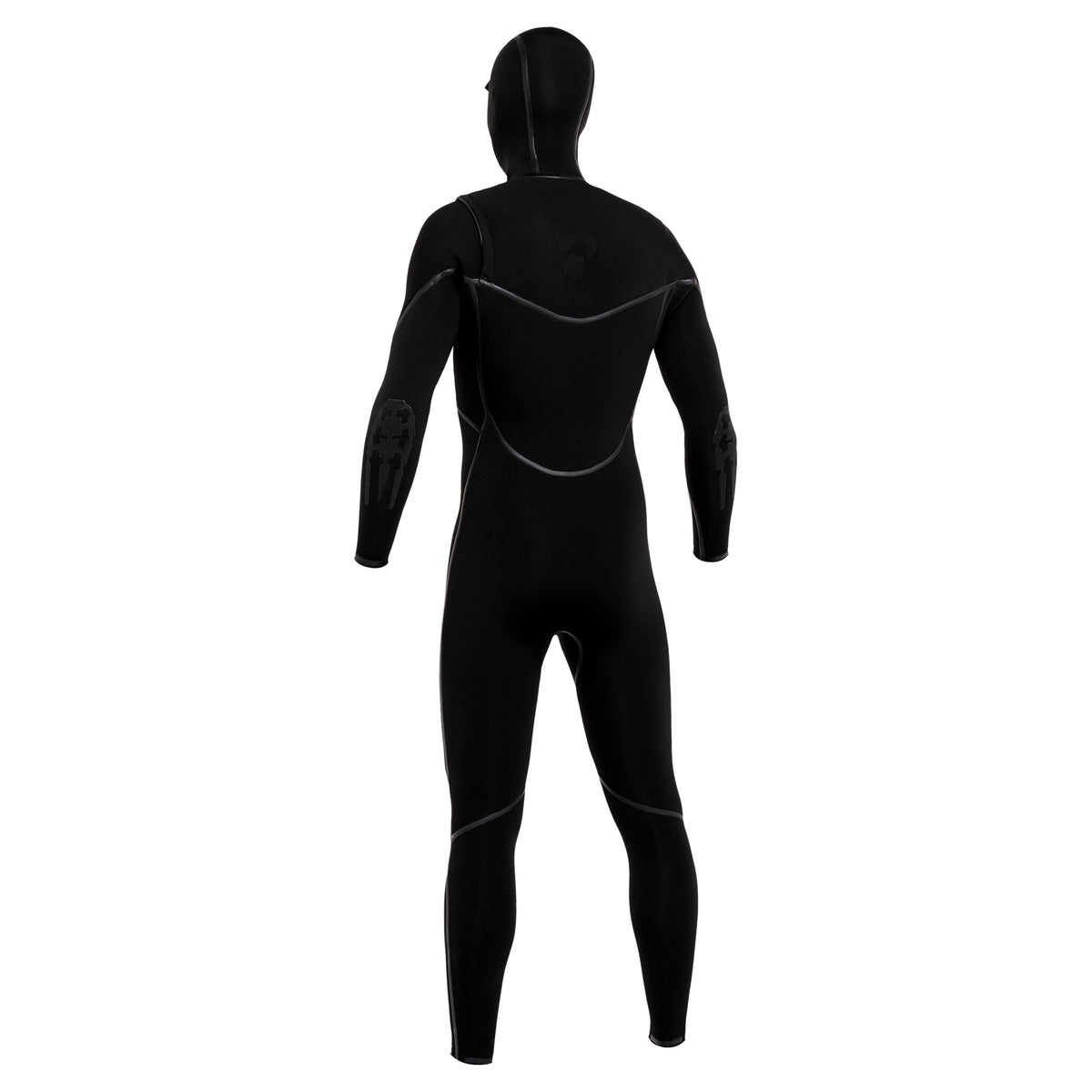
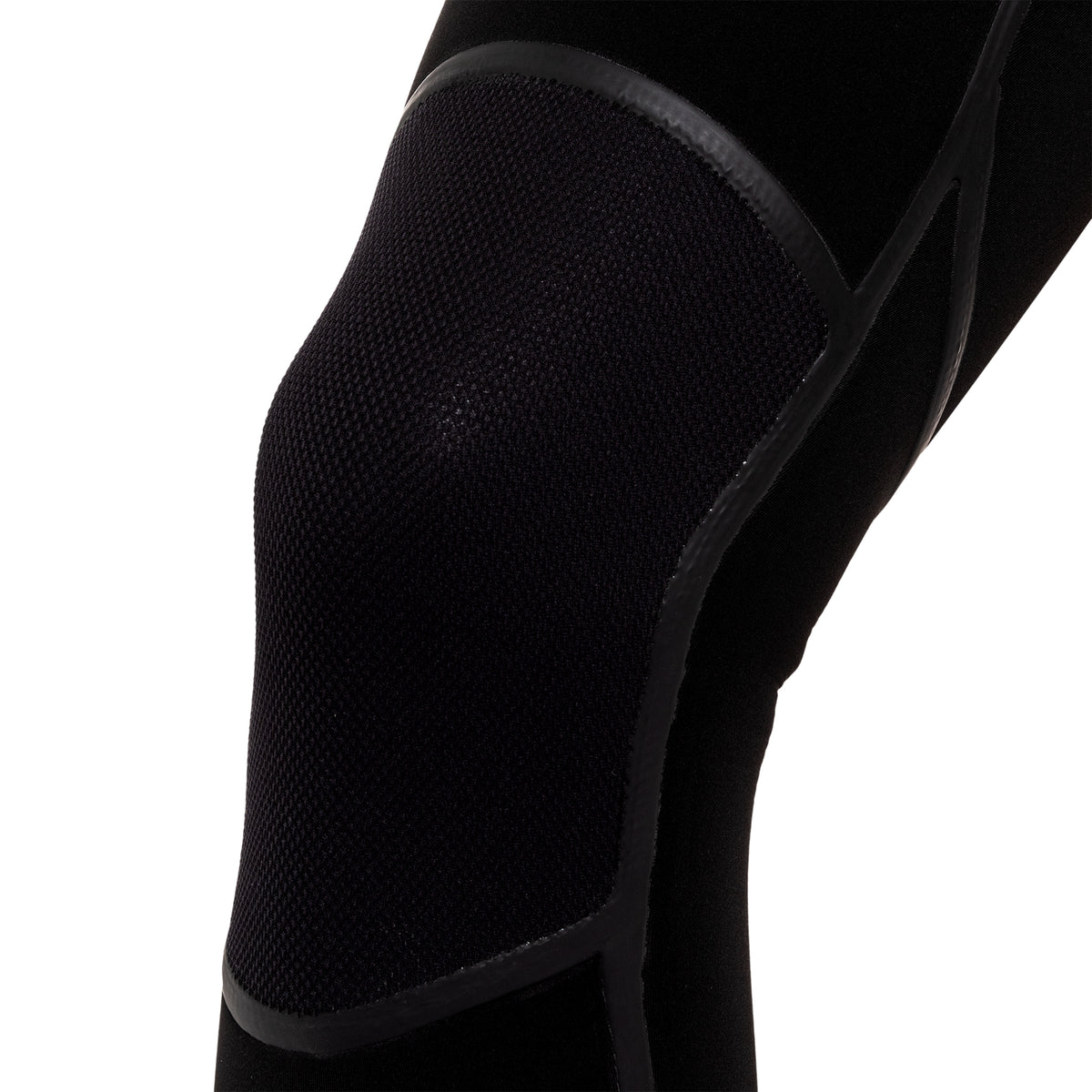
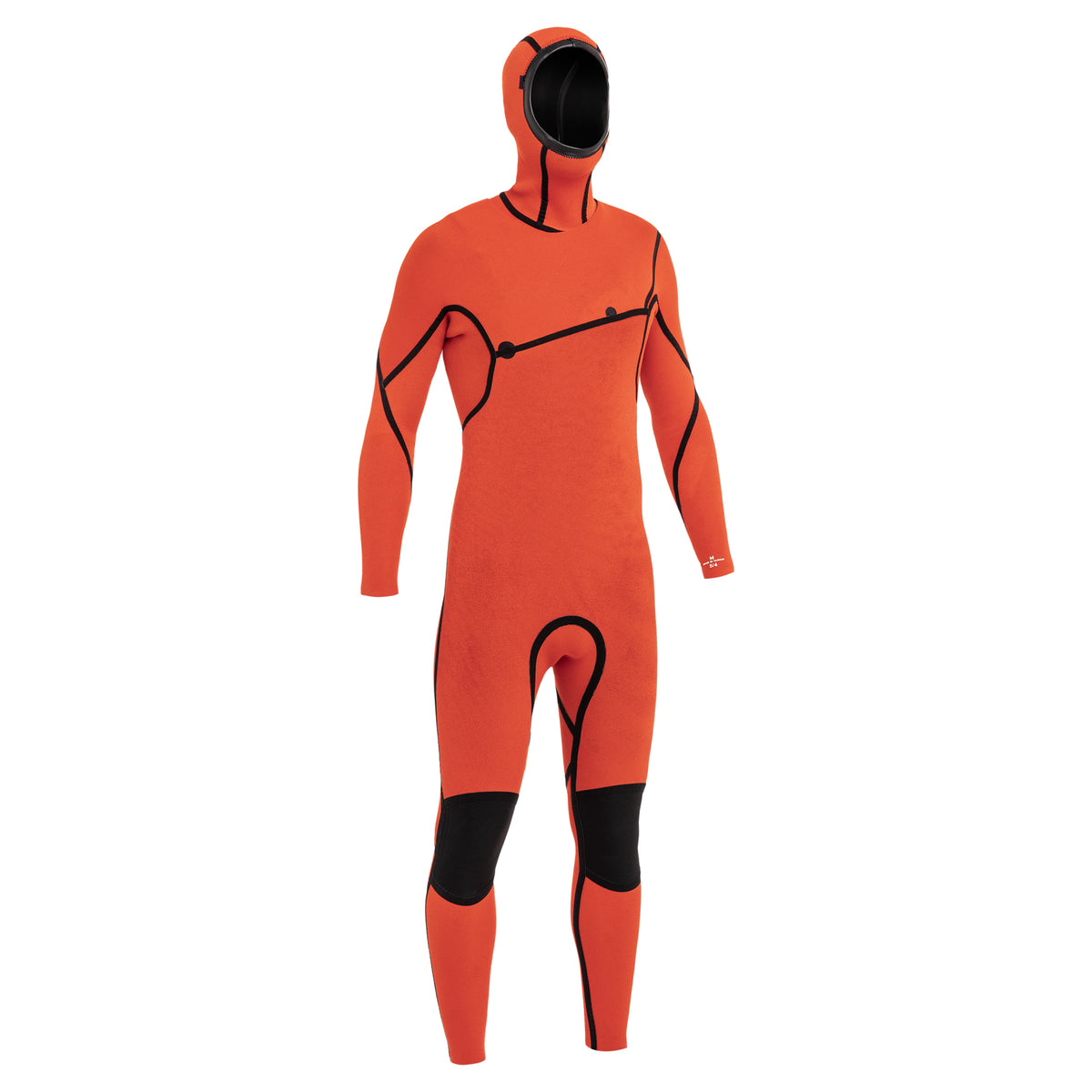
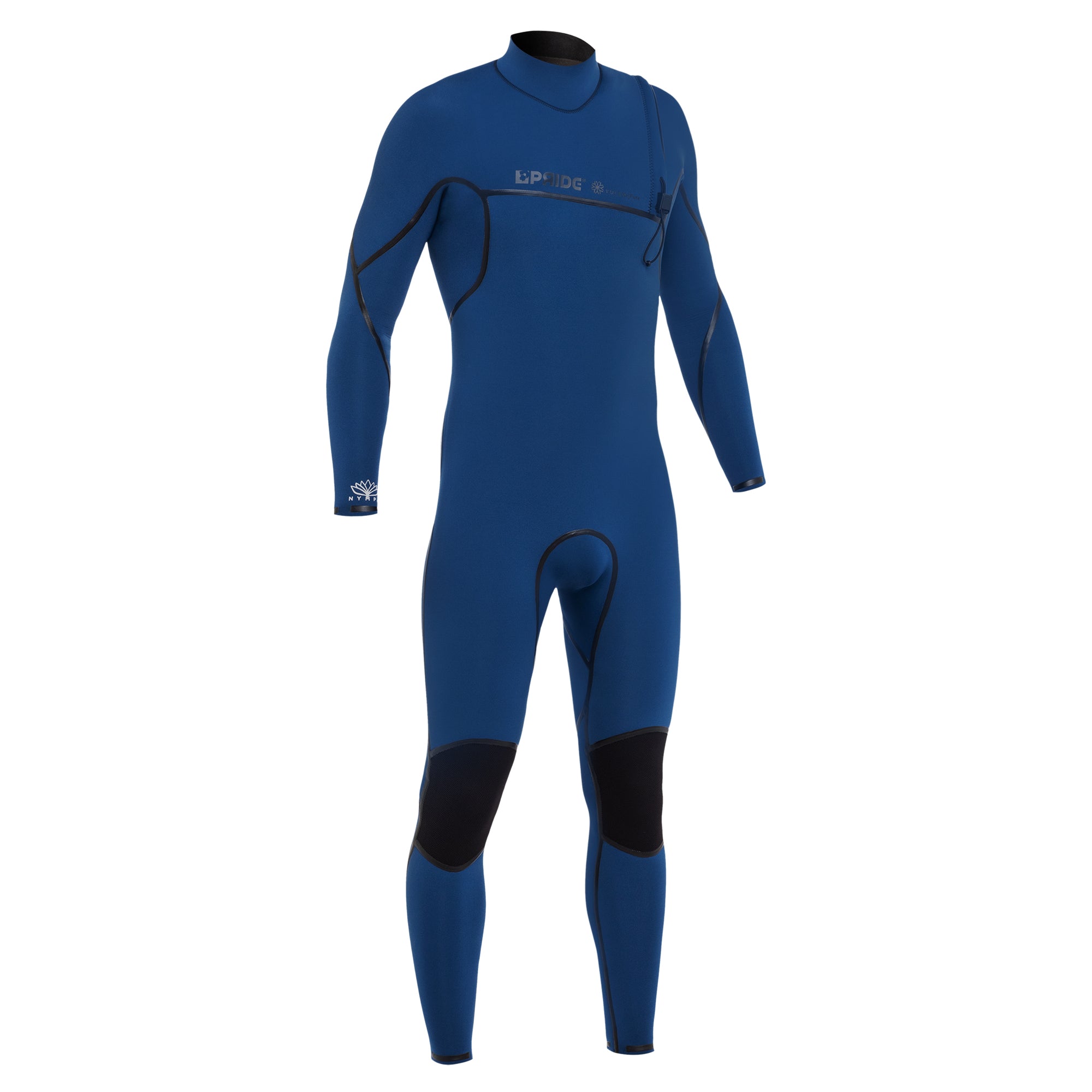
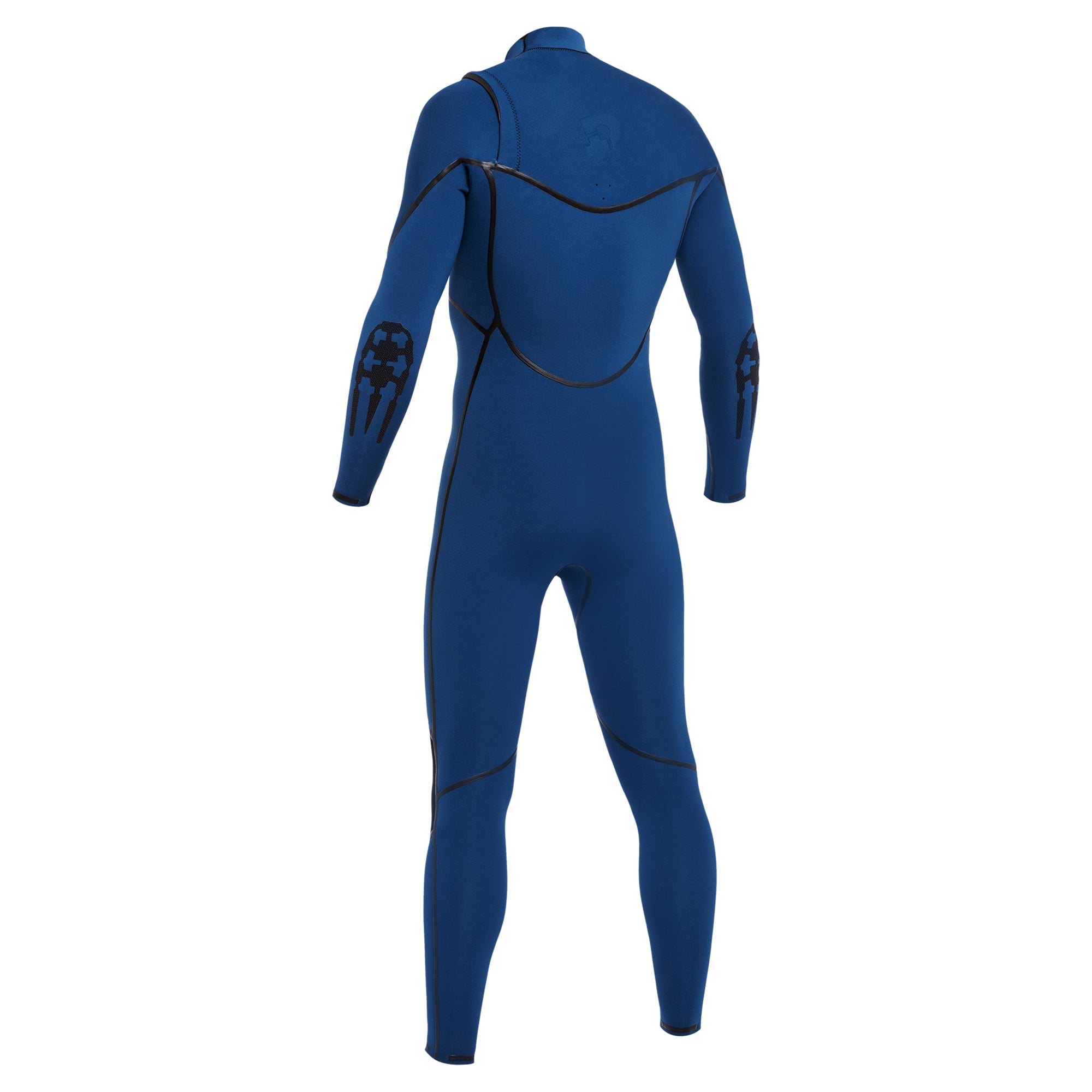
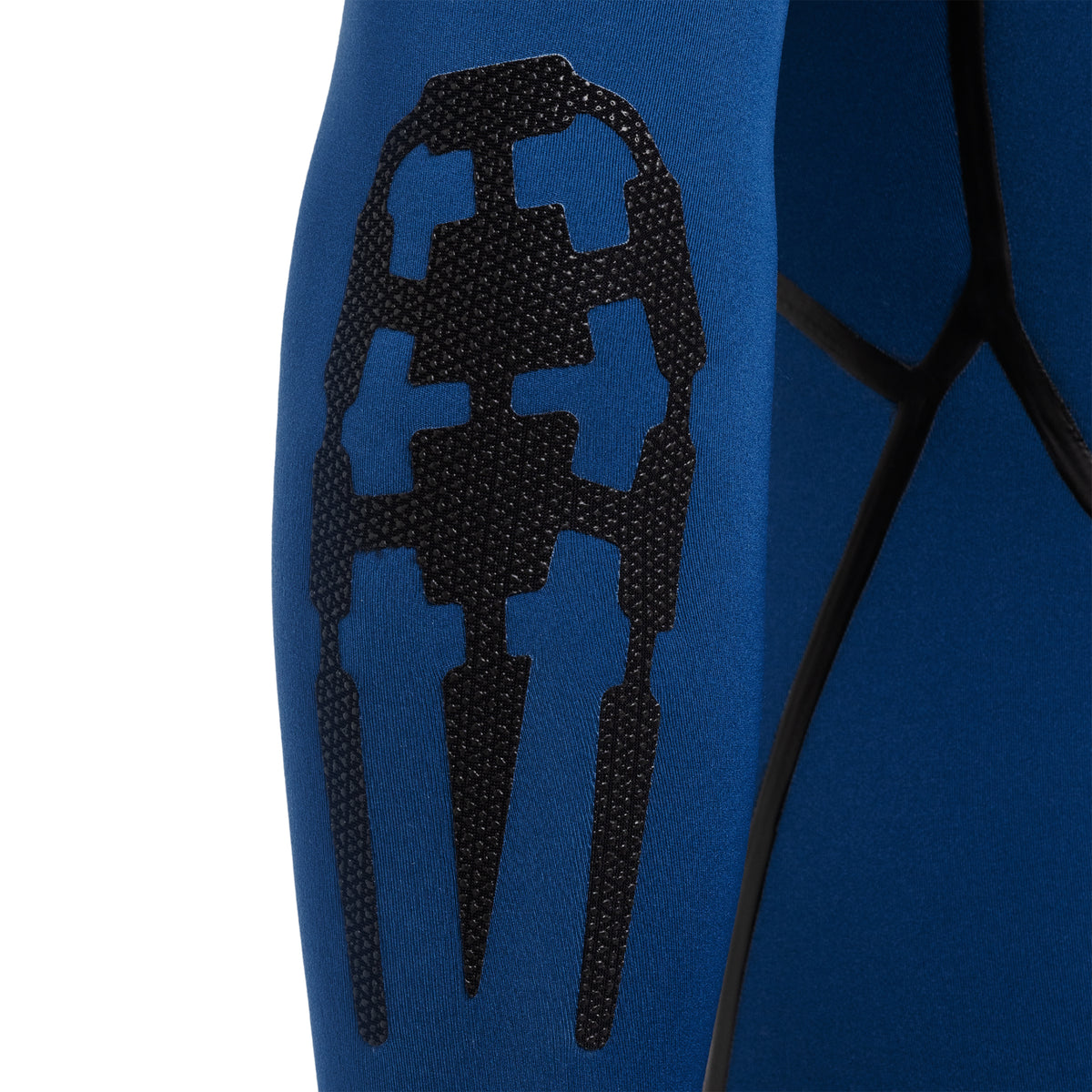
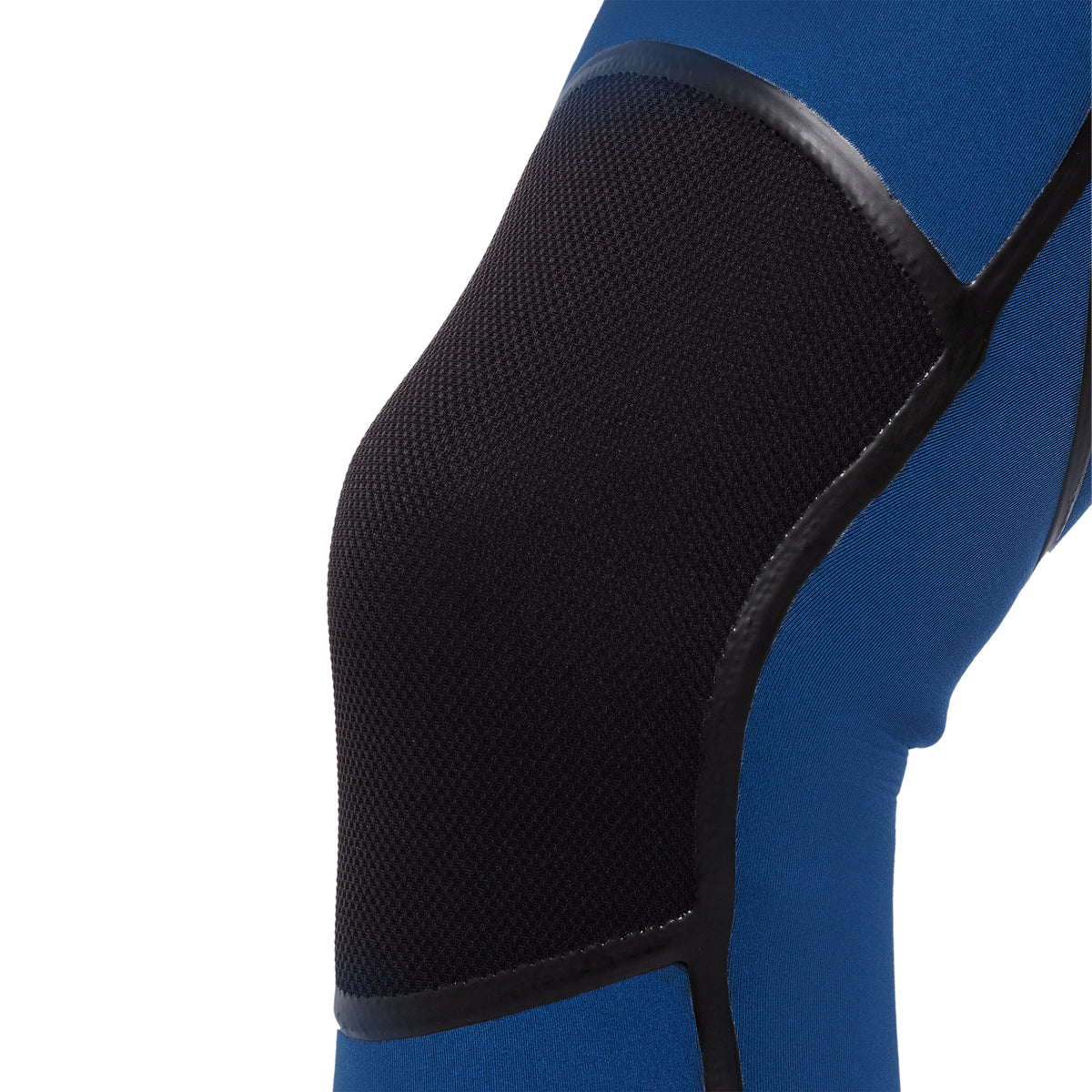
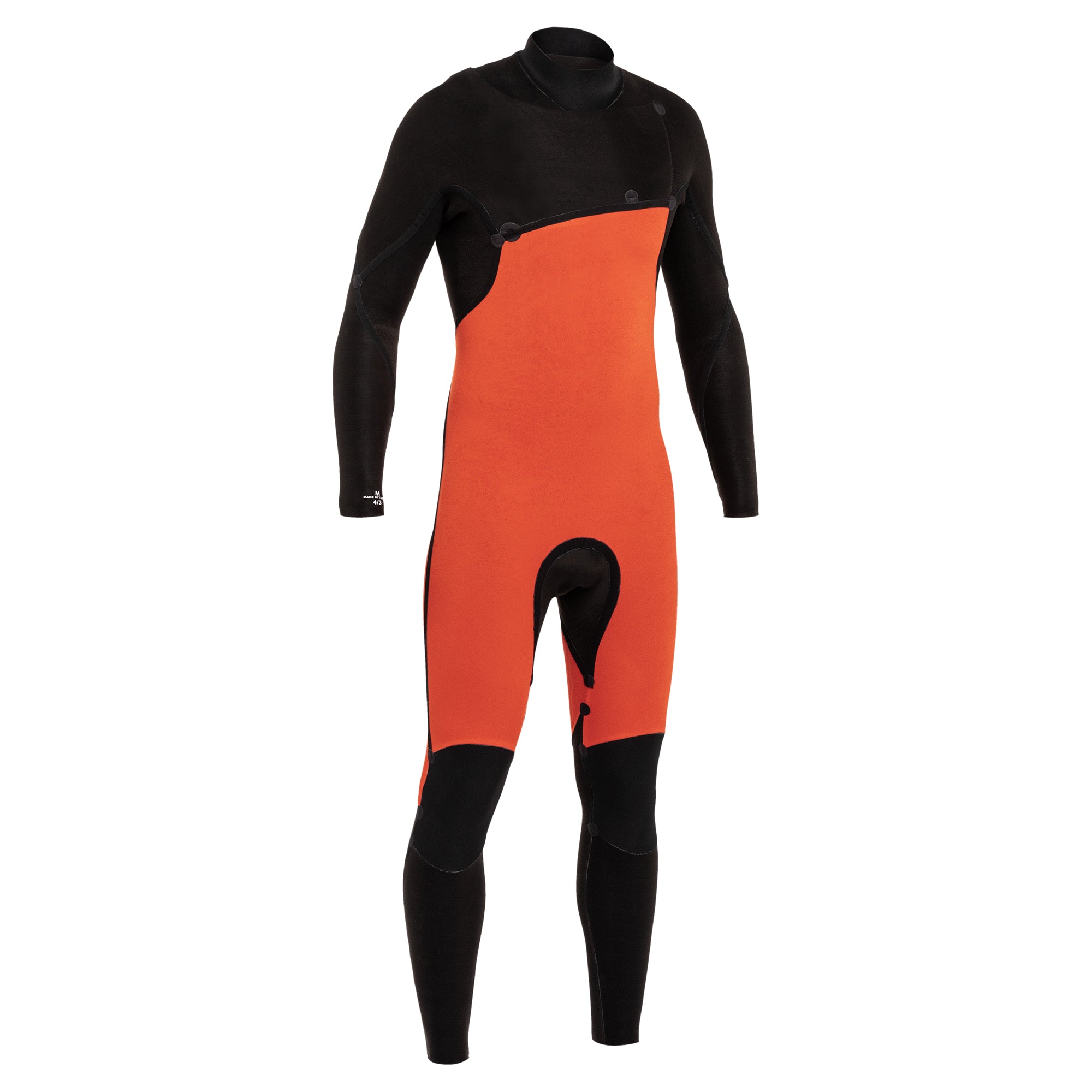
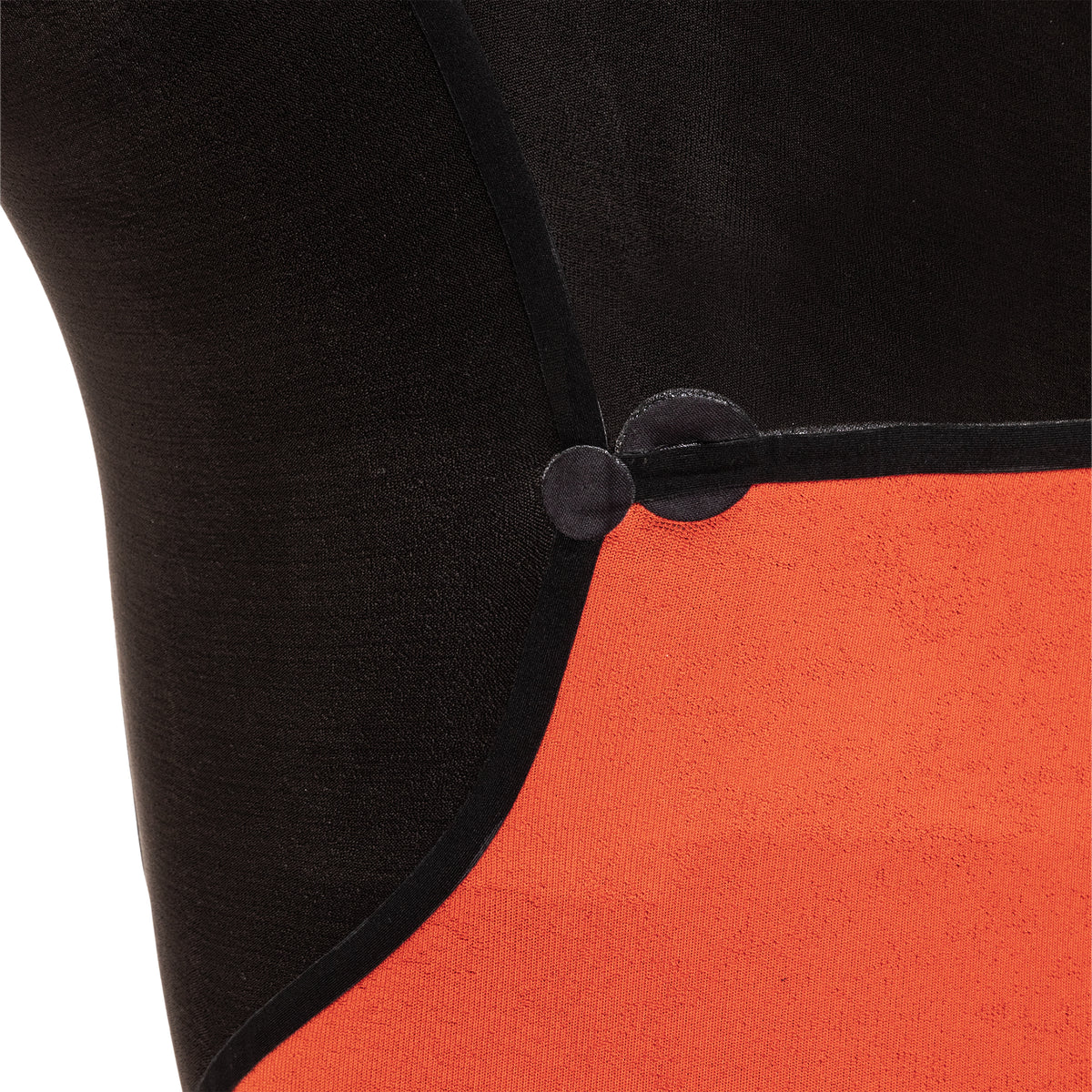
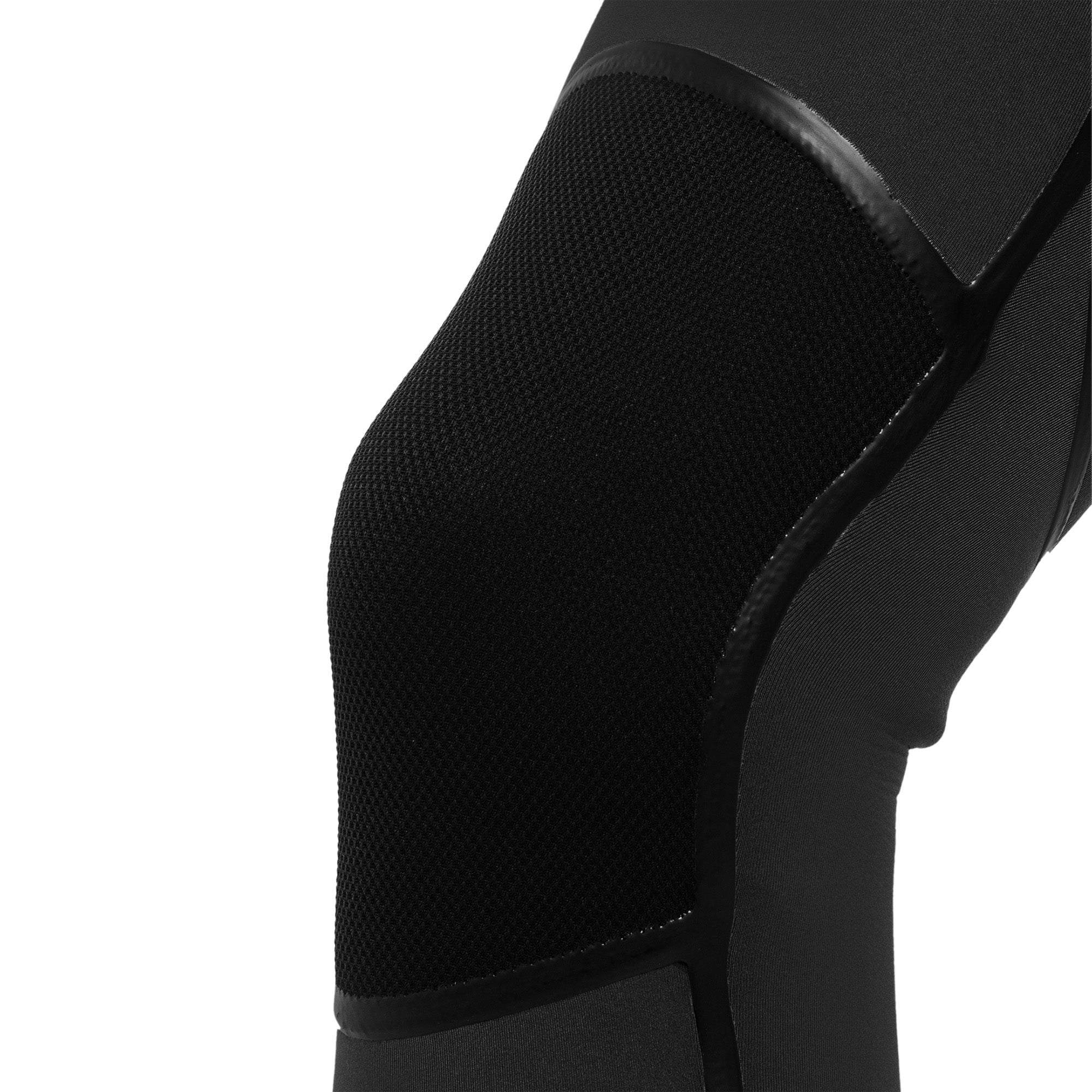
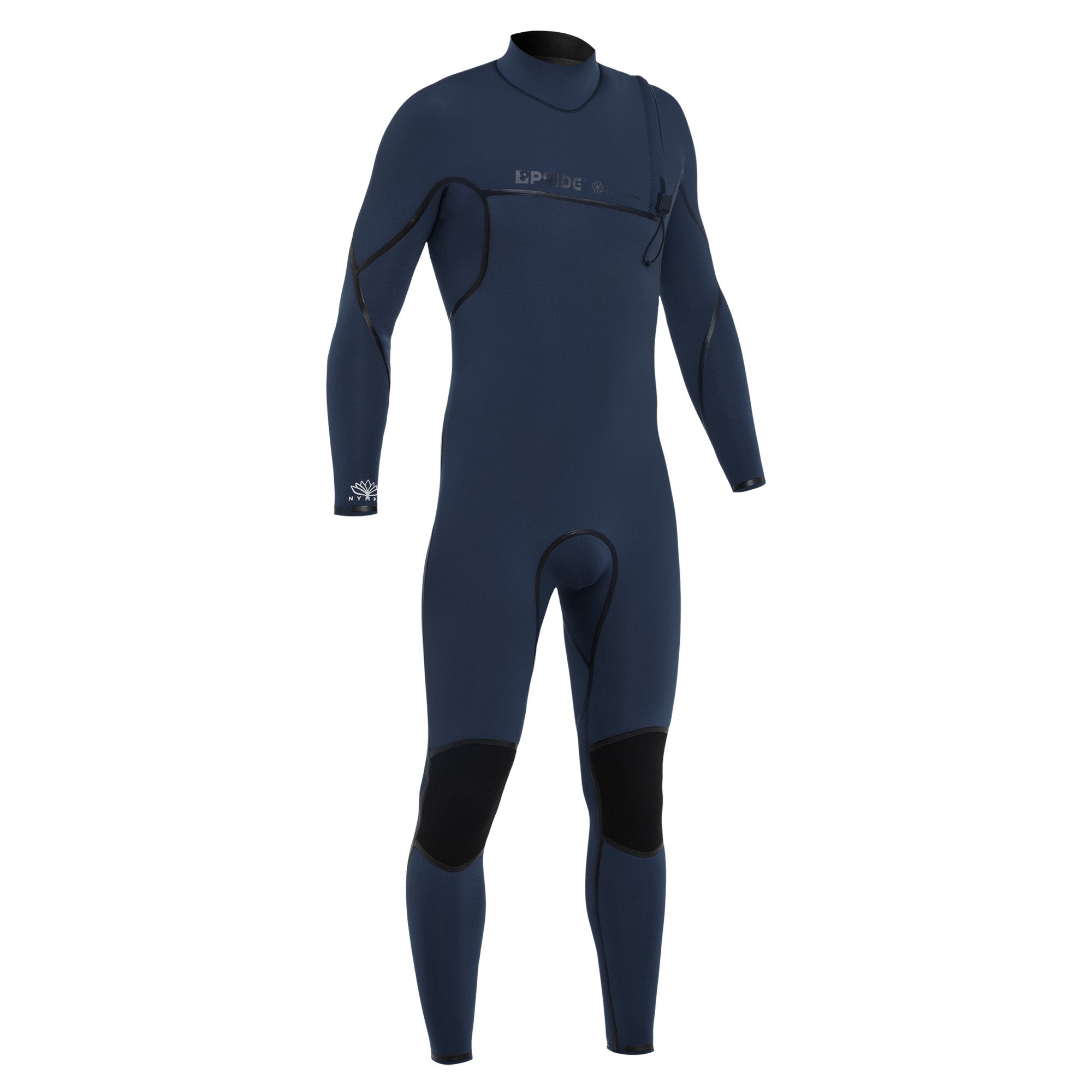
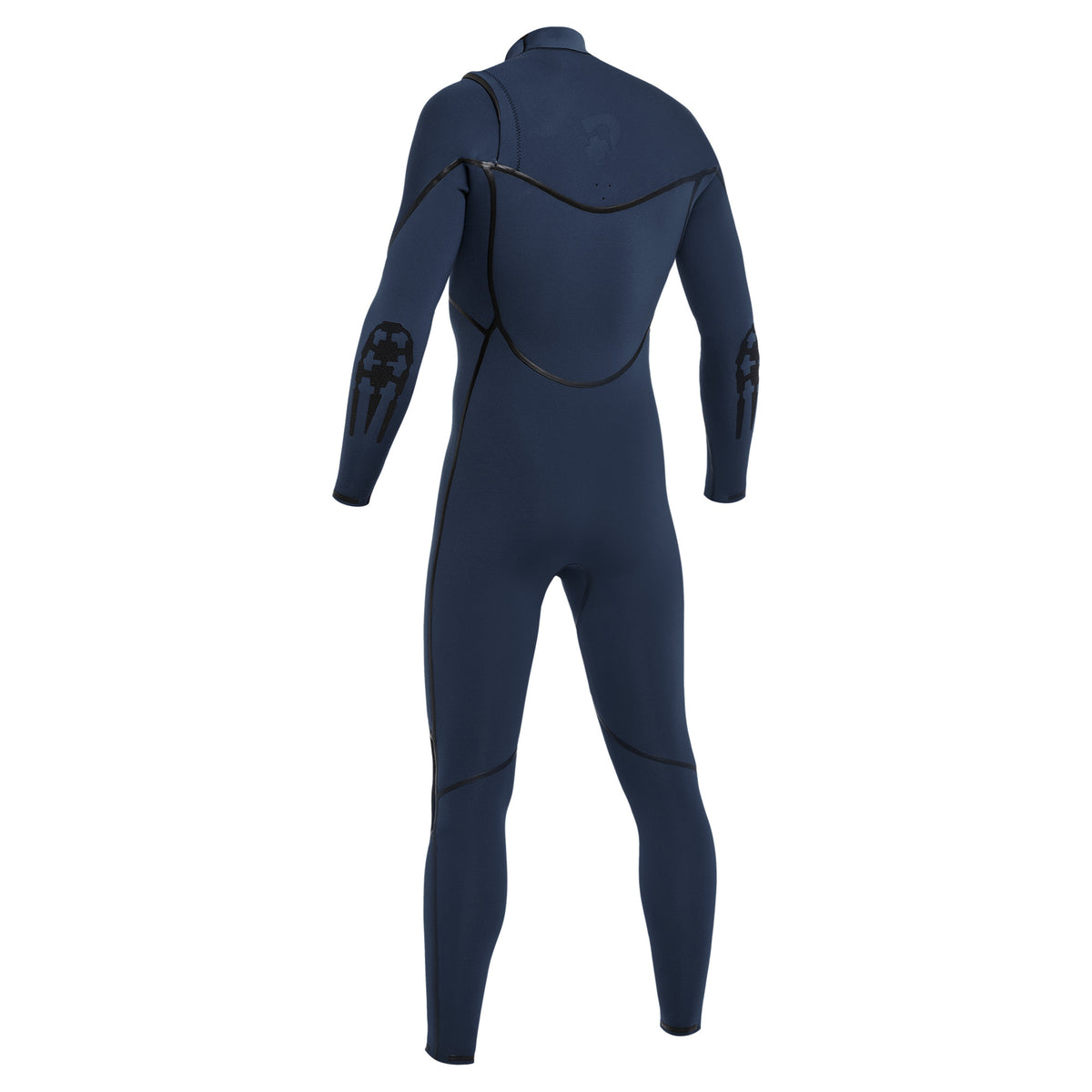
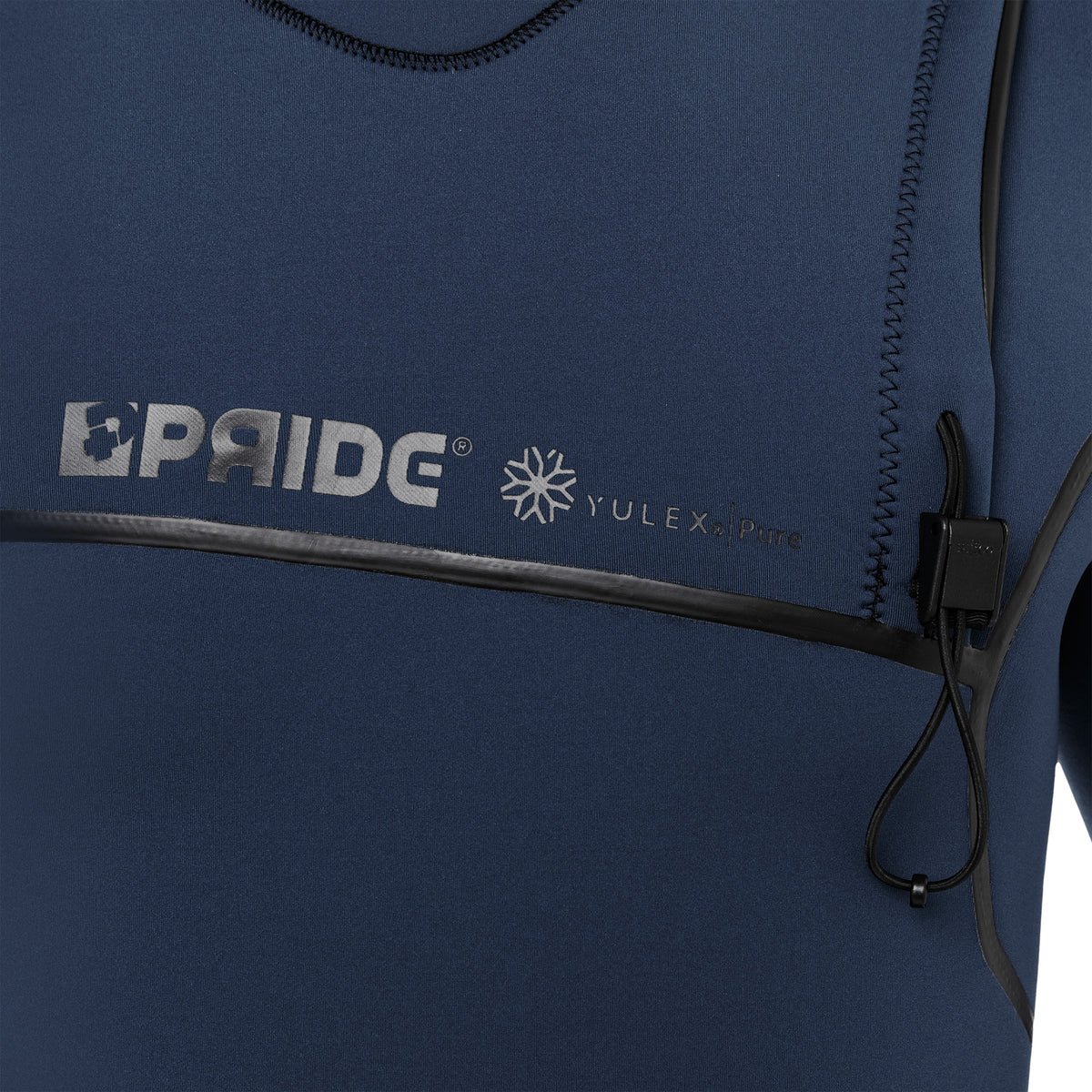
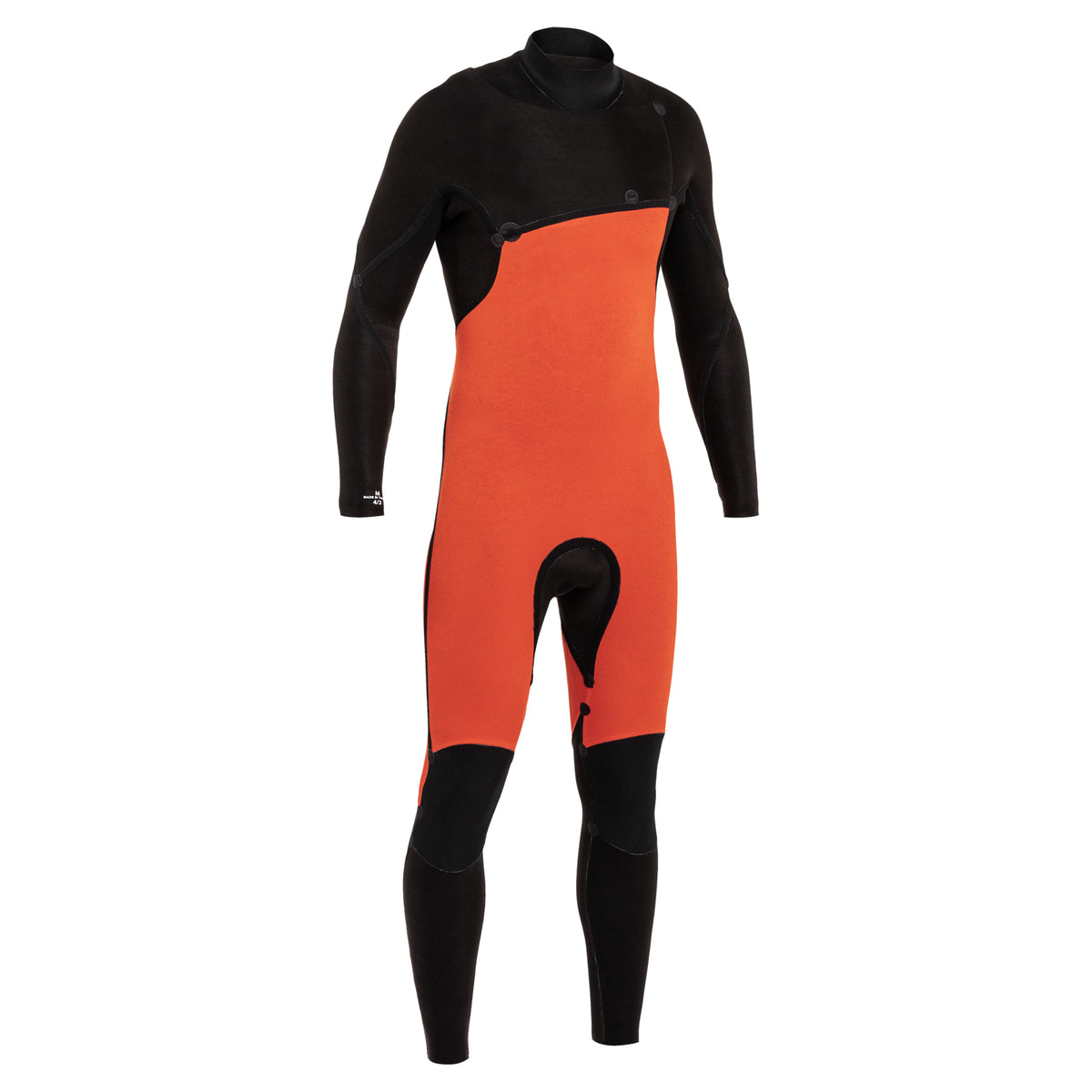
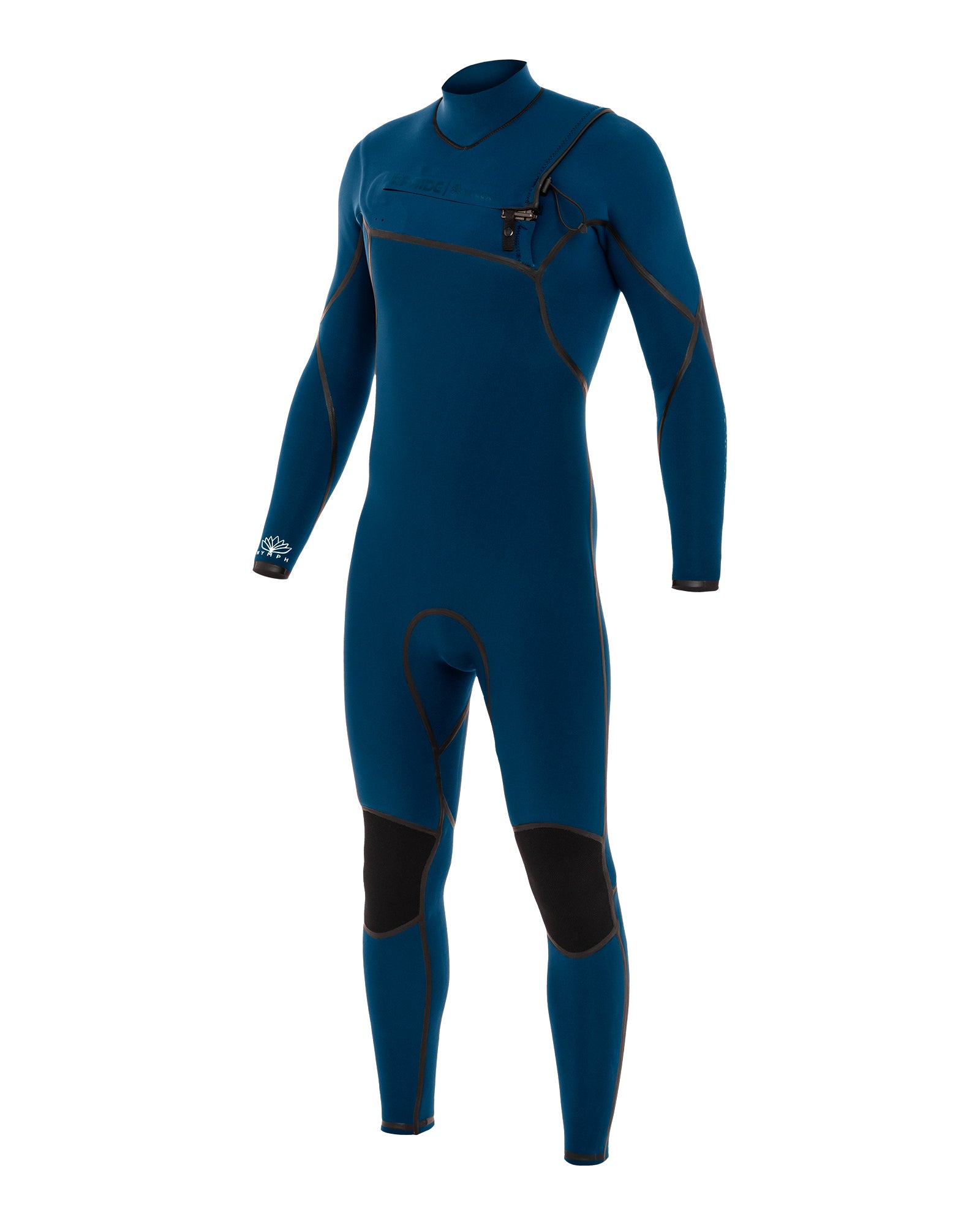
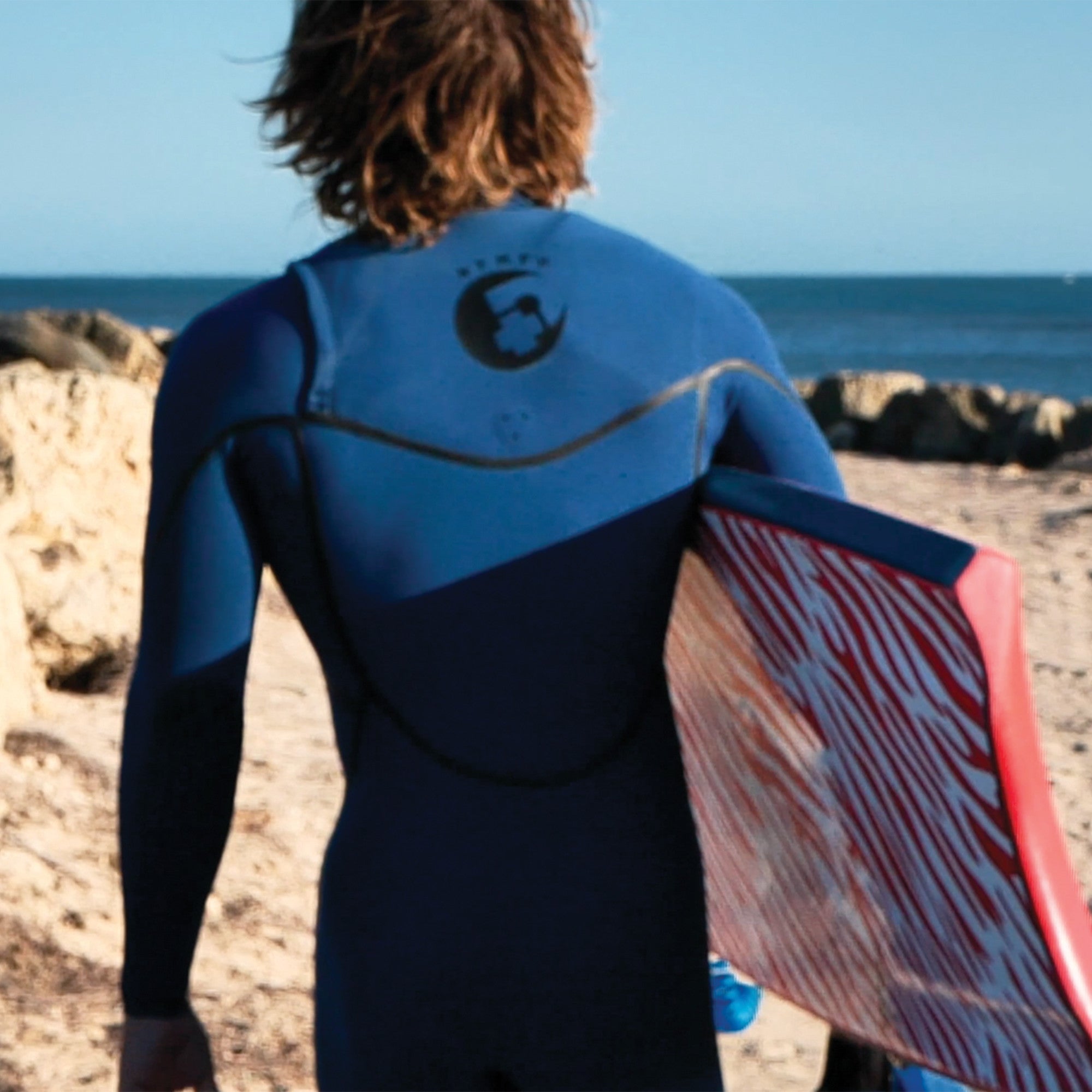
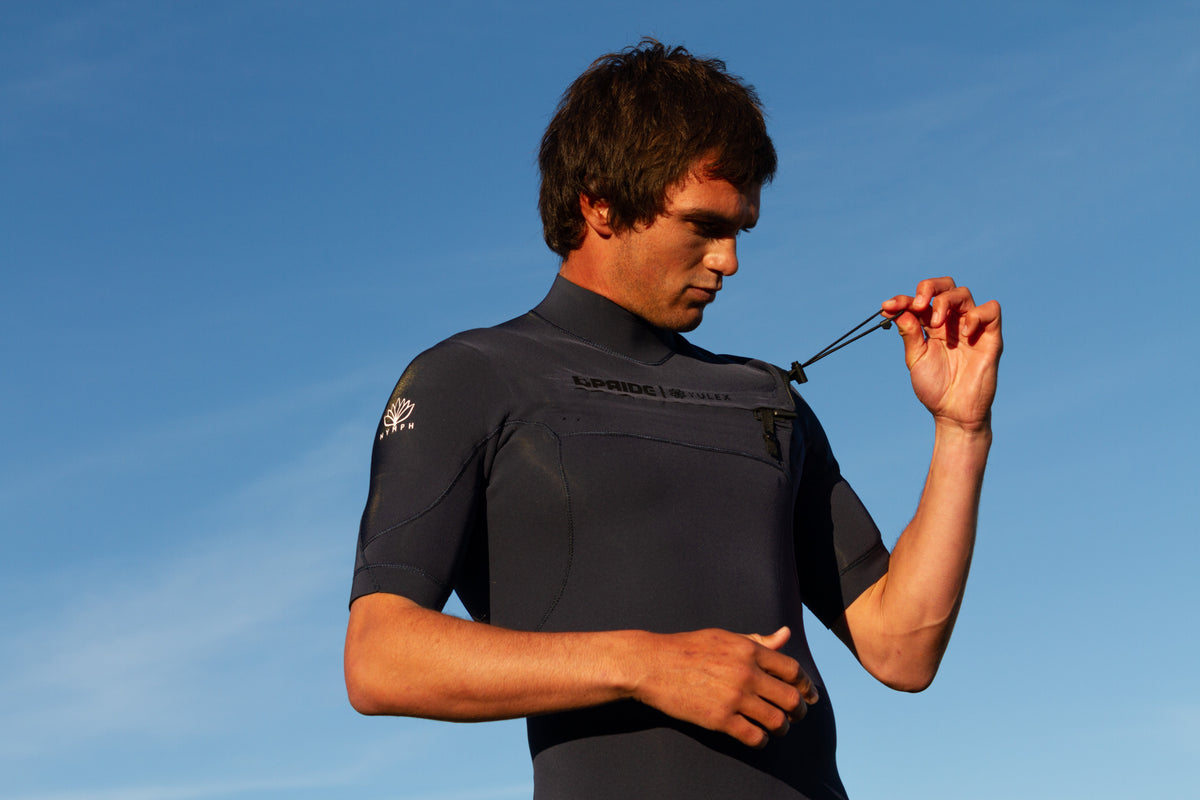
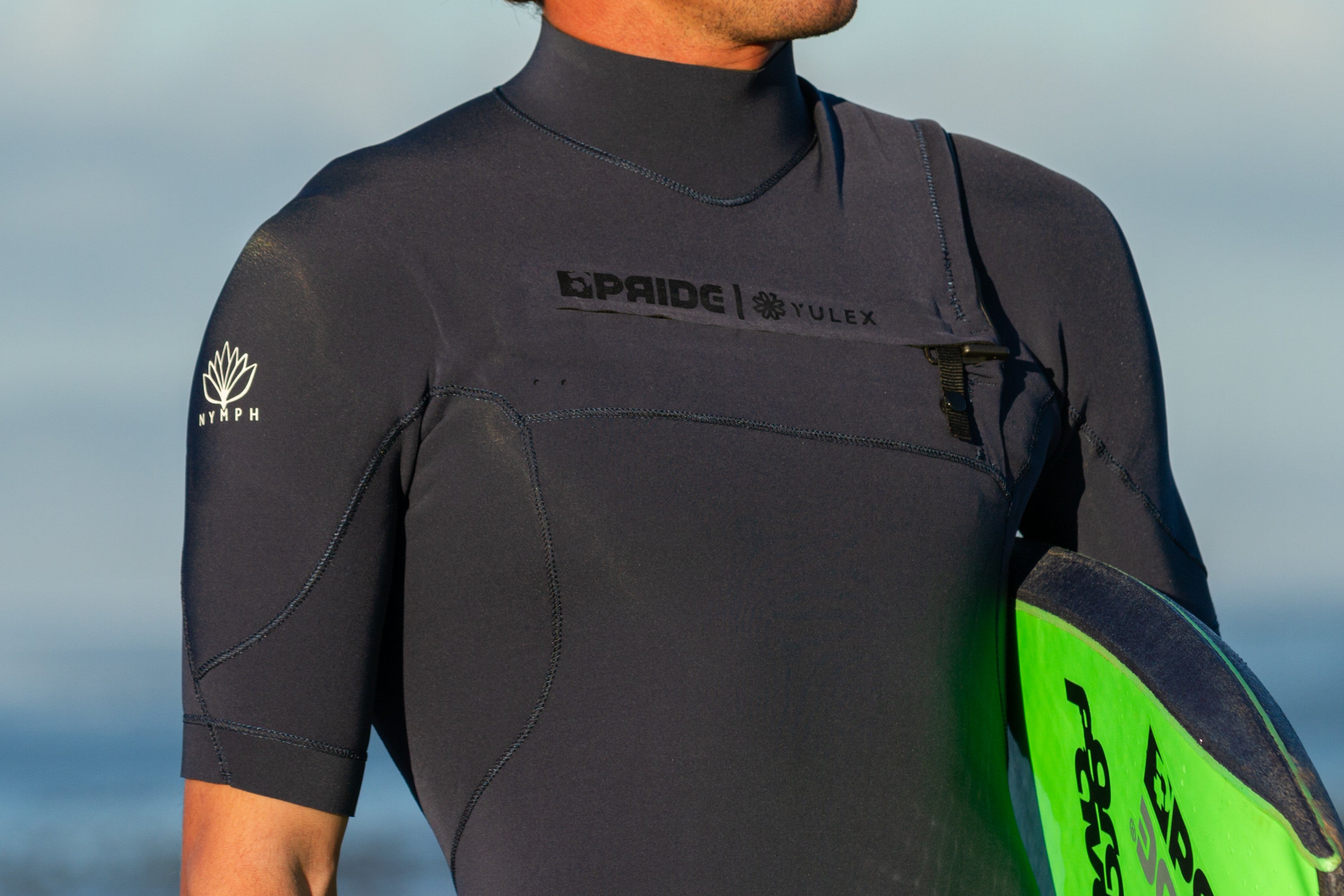
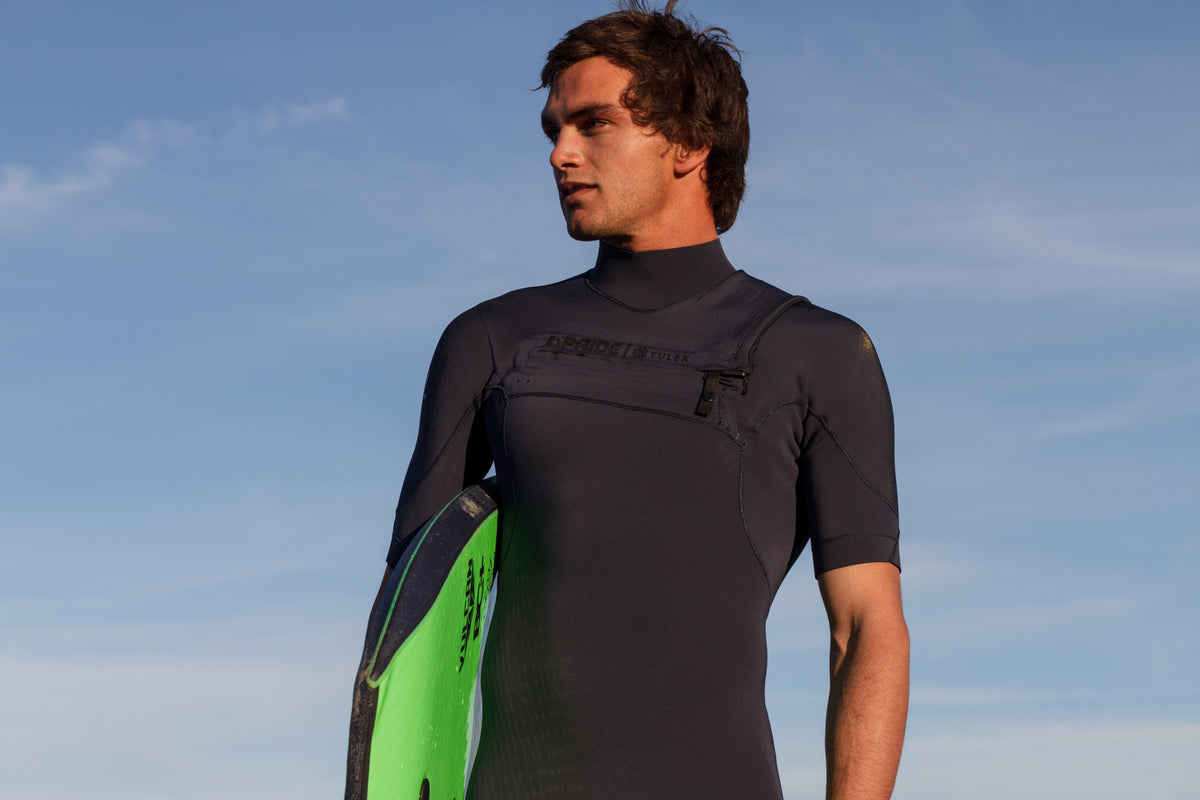
The wetsuit is your first barrier against the cold, and in bodyboarding it works harder than in surfing: you stay lying in the water the whole time, you kick non-stop, and your stomach is in contact with the deck. On the Landes and Basque coast, the water drops to 10-13 °C from December to March: a 4/3 mm with a built-in or separate hood covers most of the winter, a 5/4 mm is a must for riders who feel the cold, for long sessions or for water below 11 °C. In Brittany or on the Channel coast, the 5/4 is the norm.
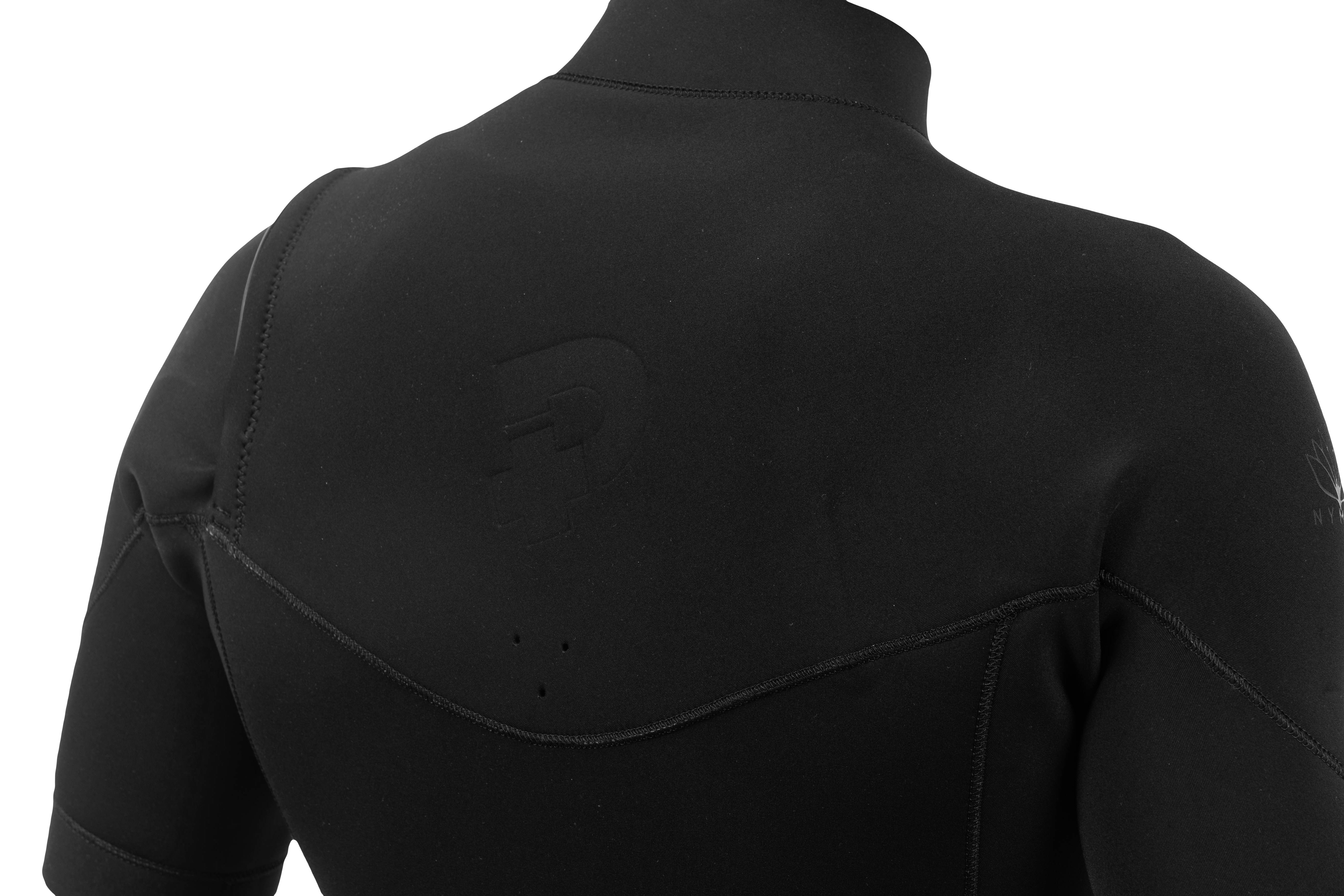
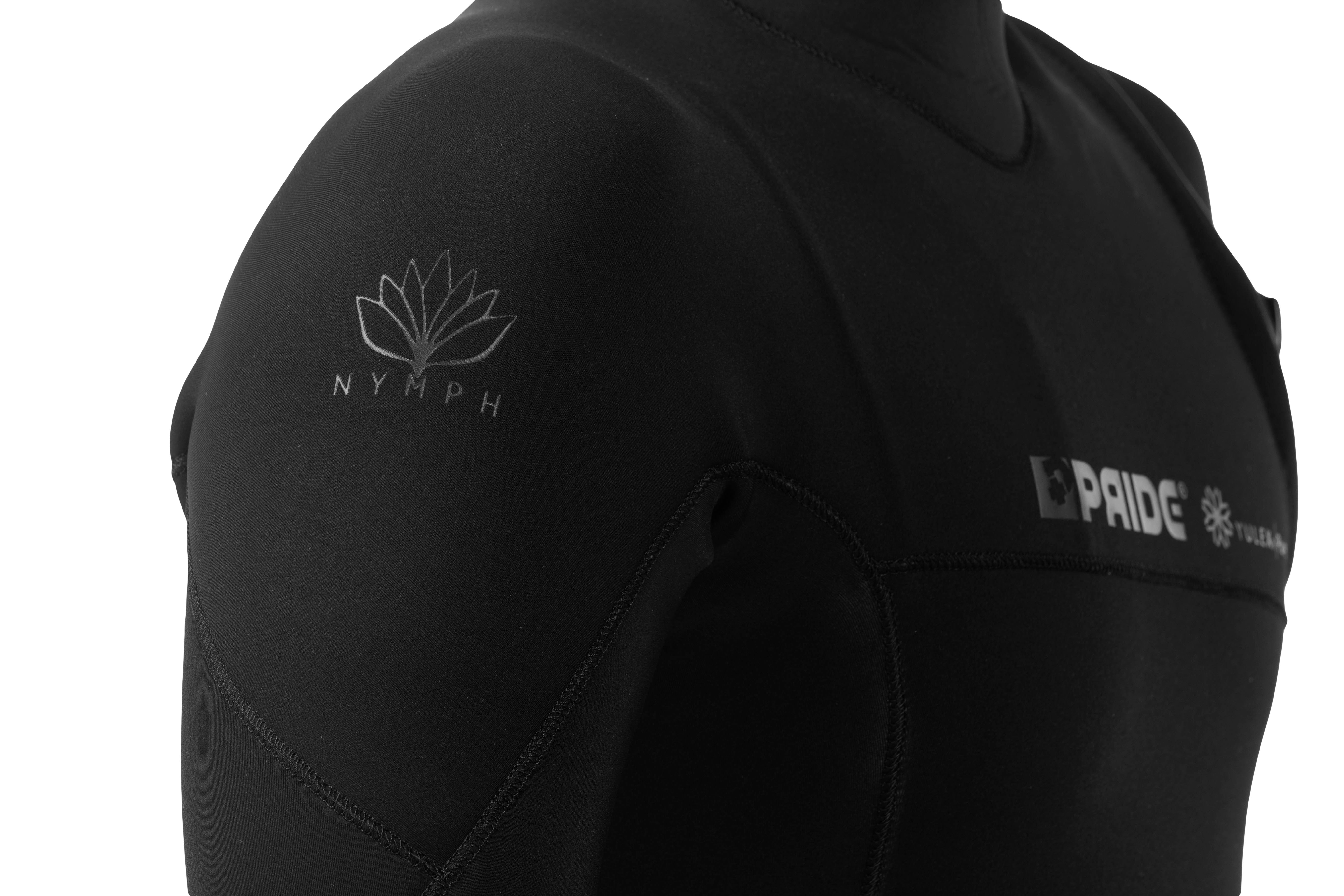
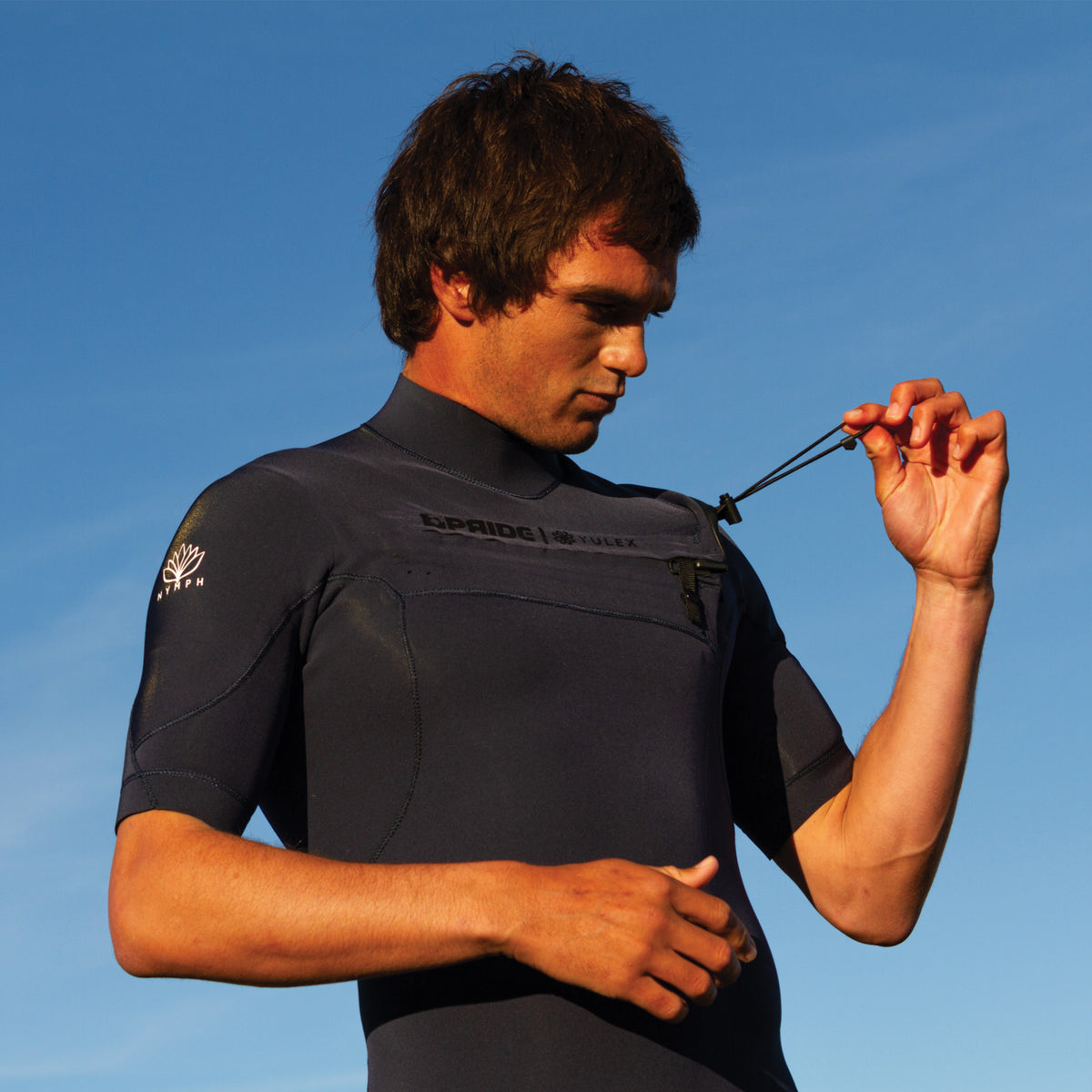
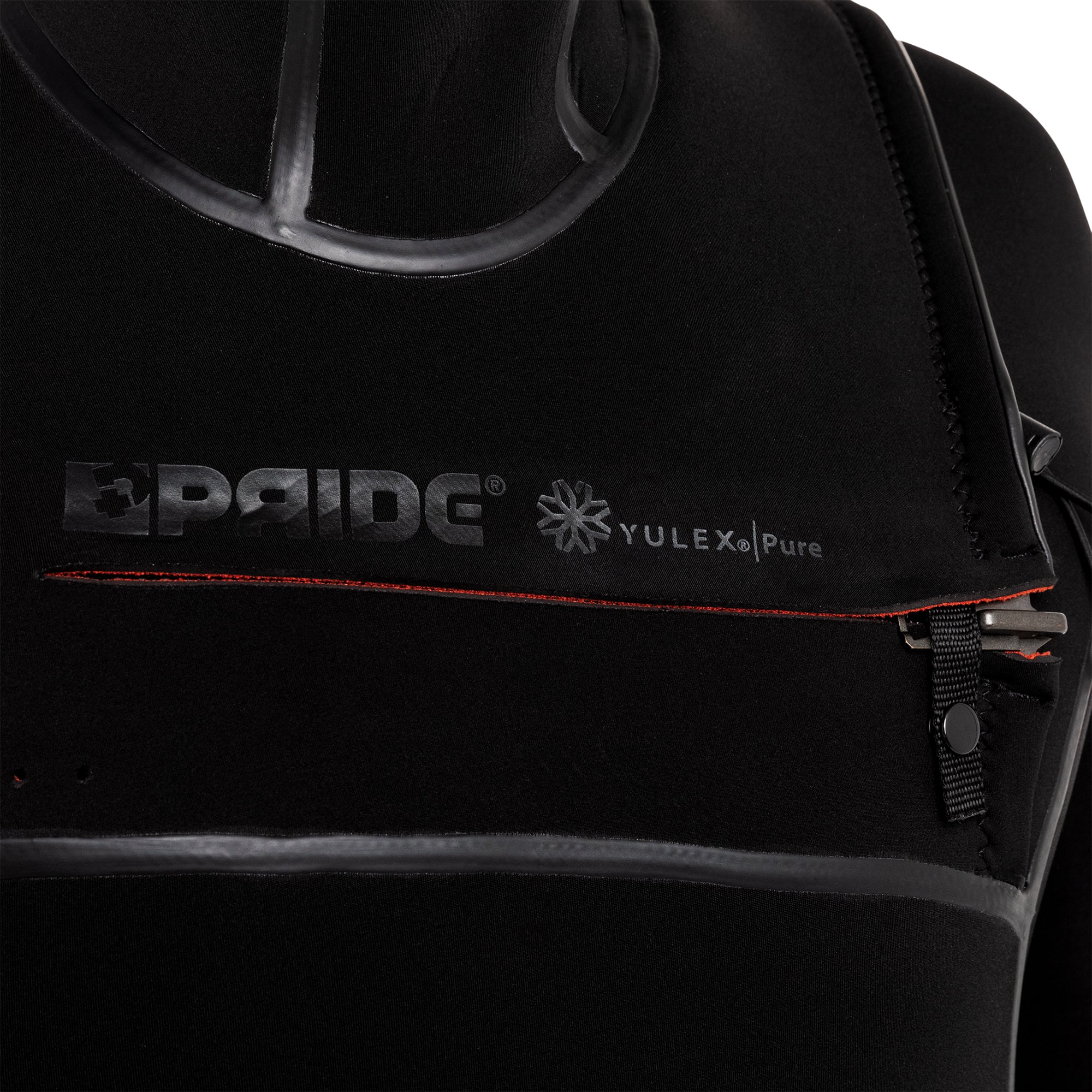
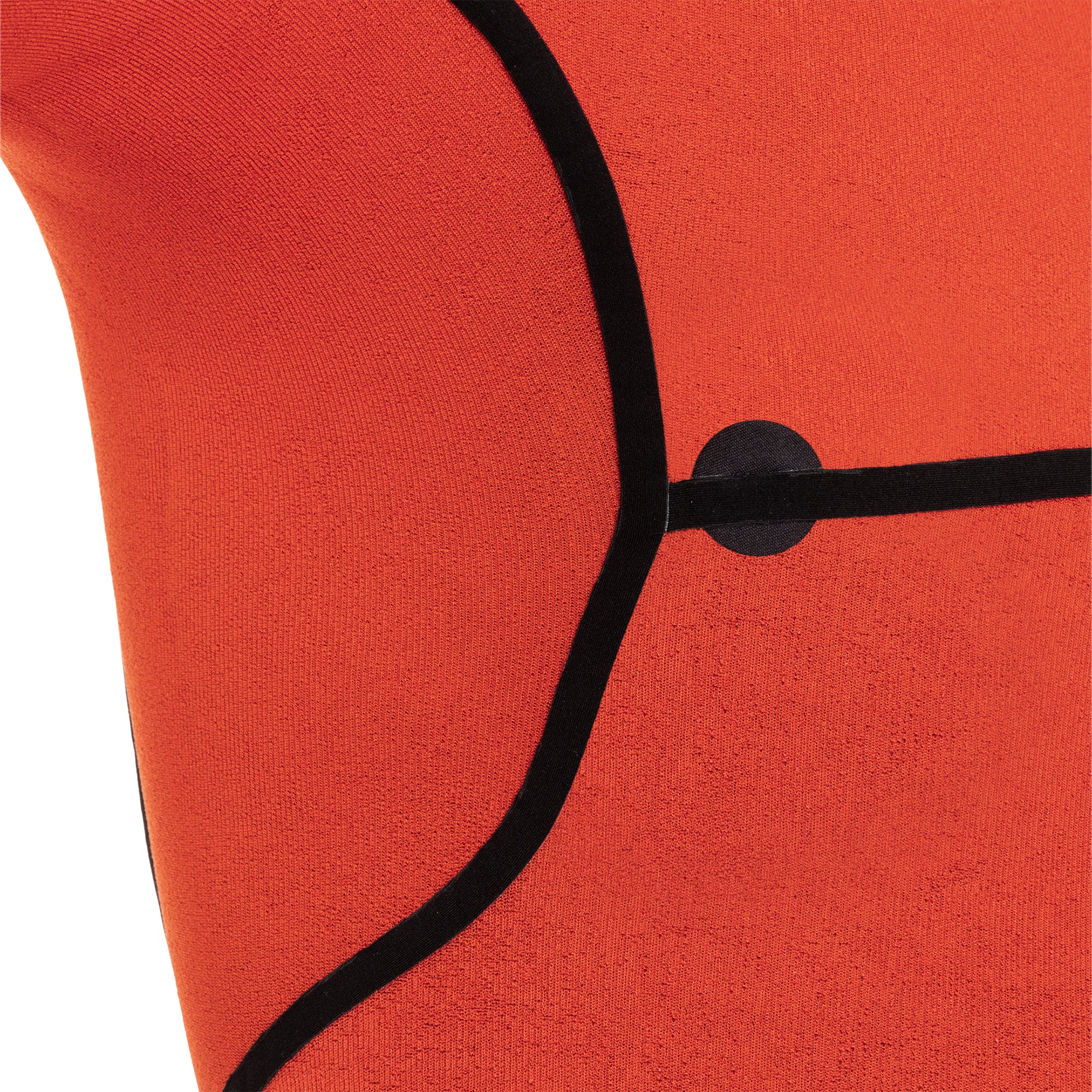
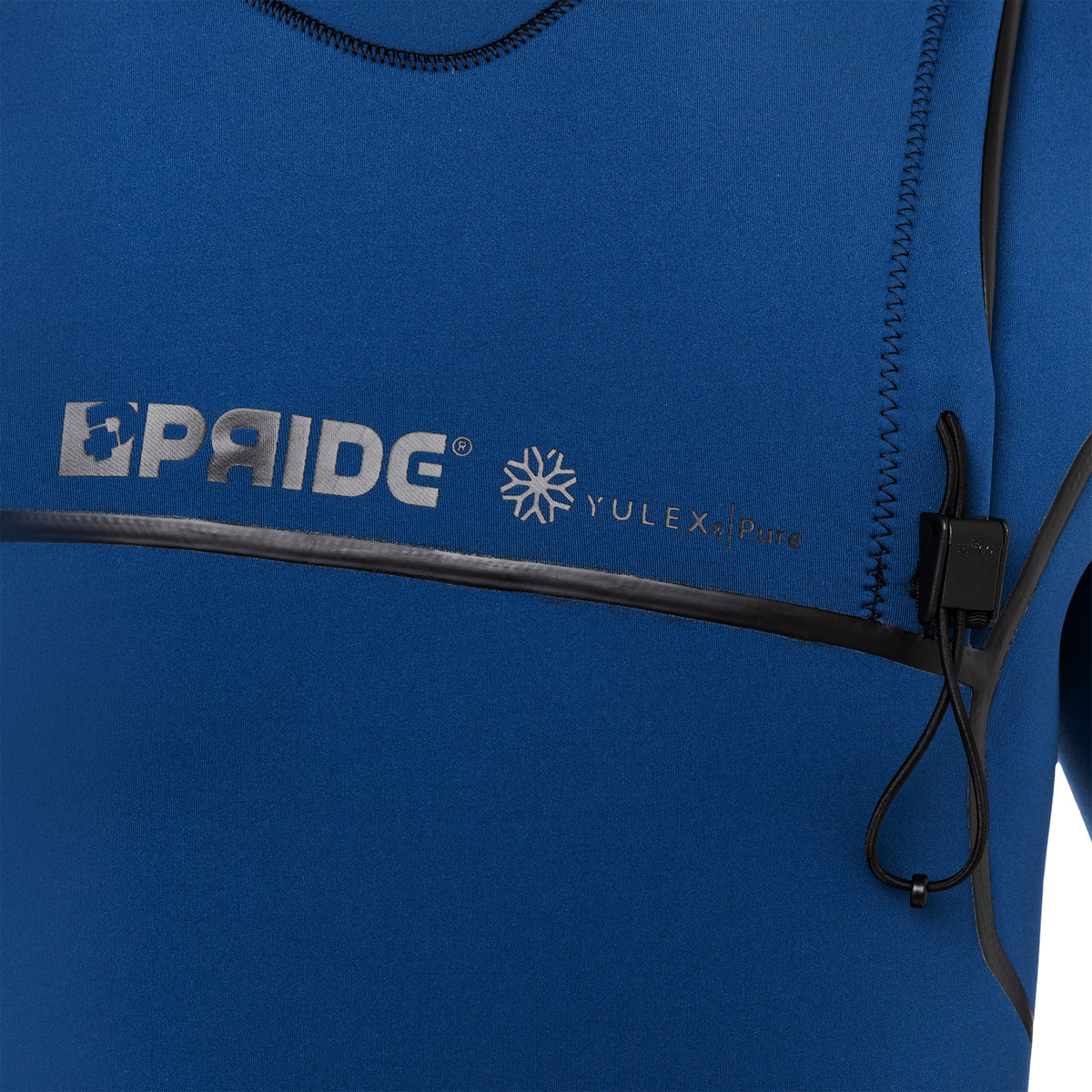
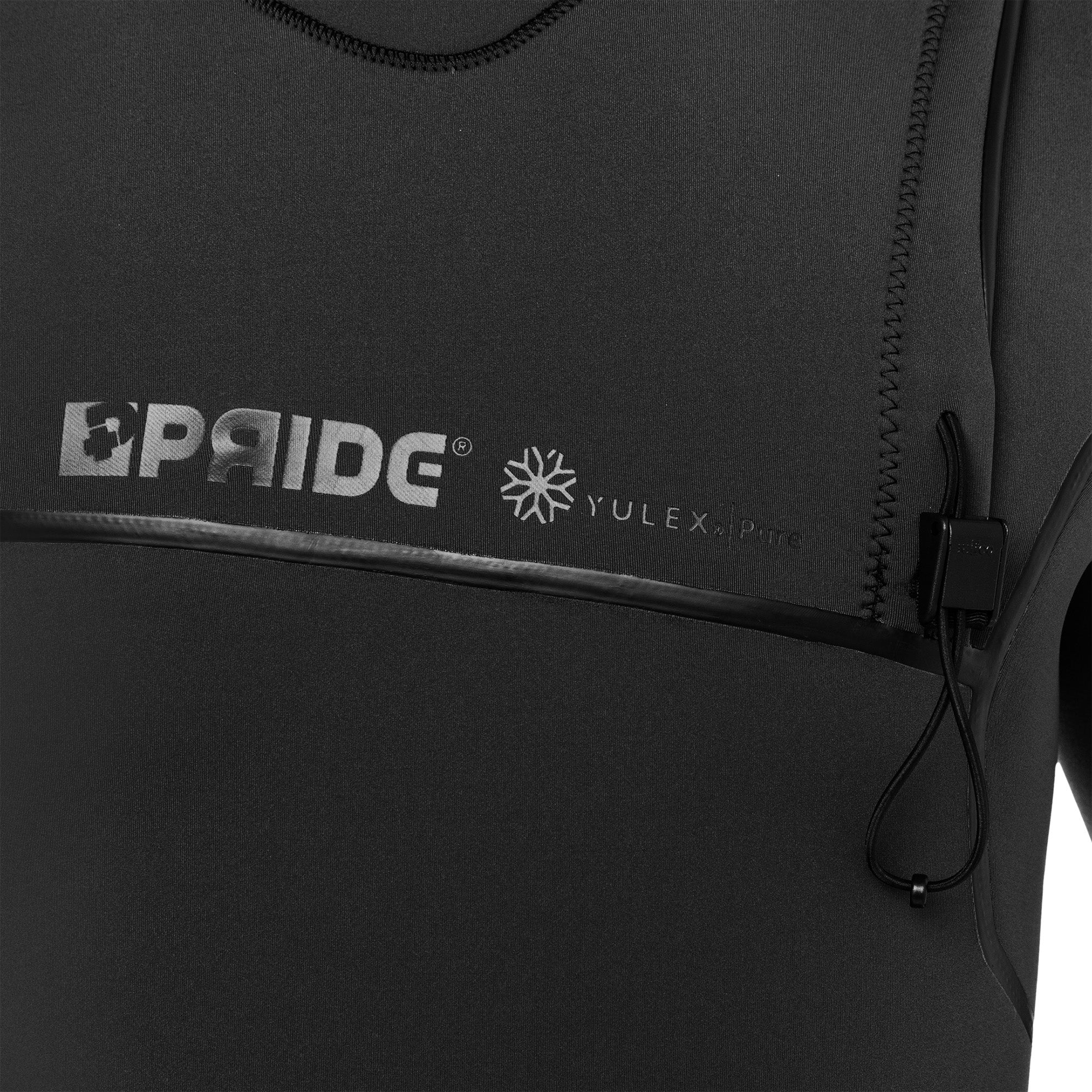
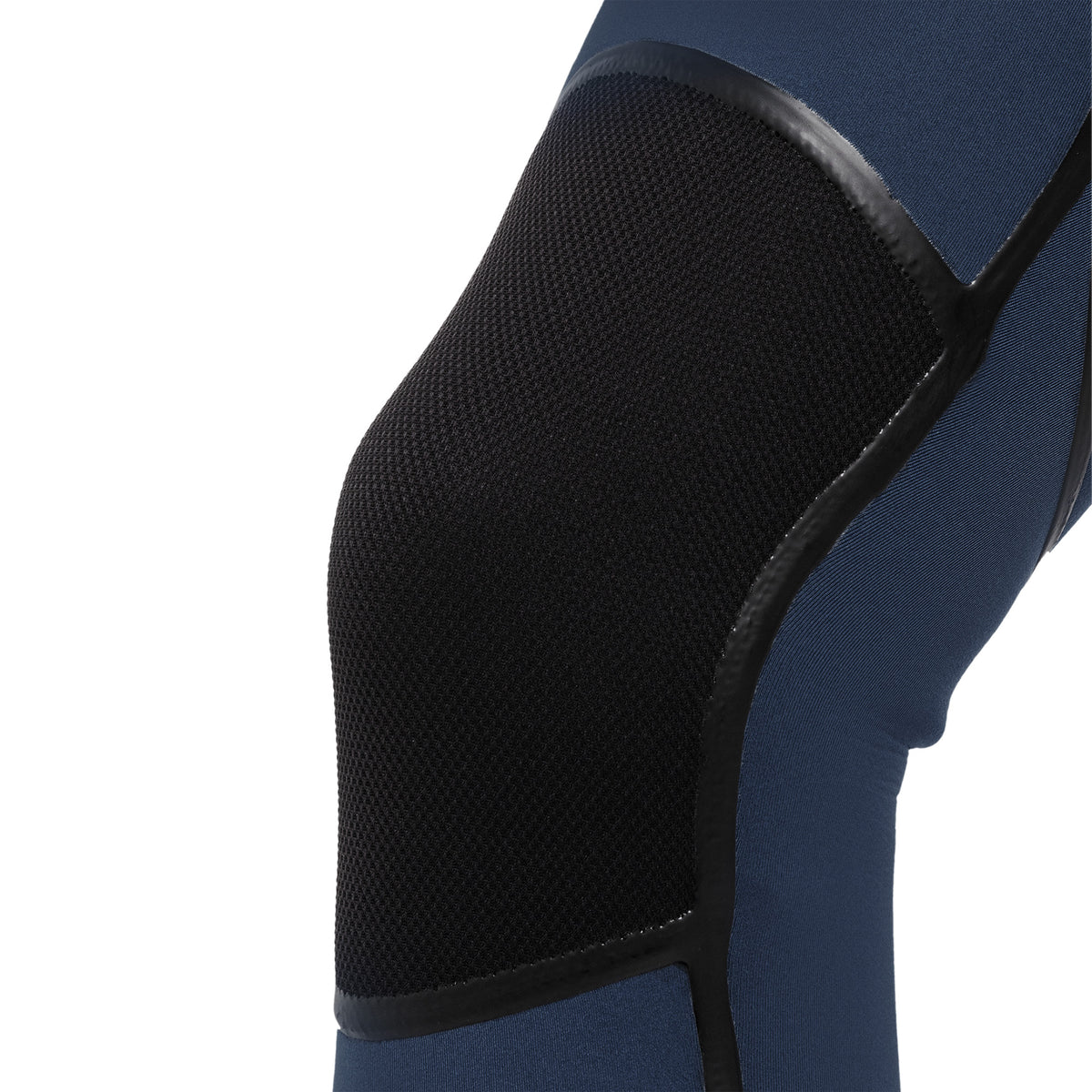
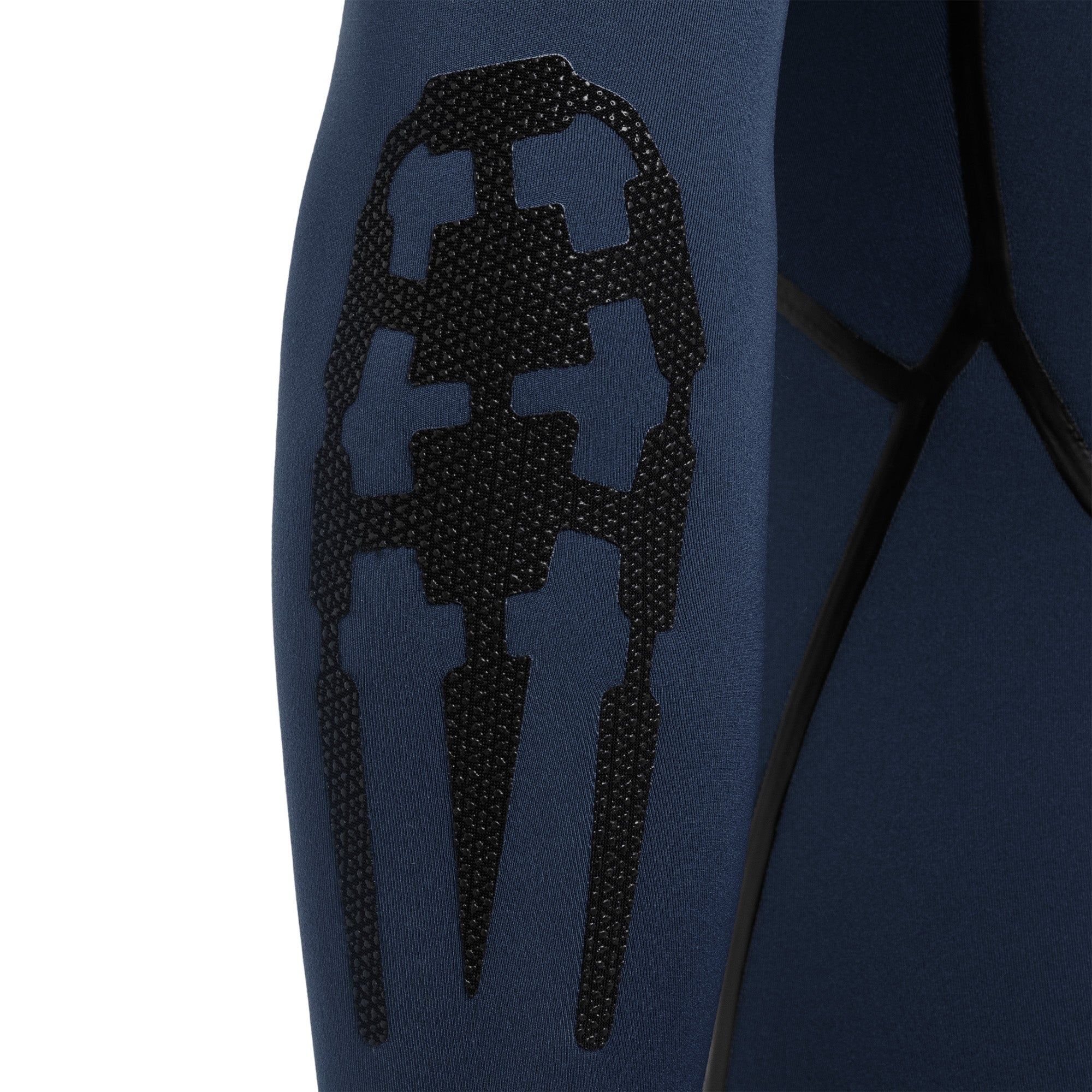
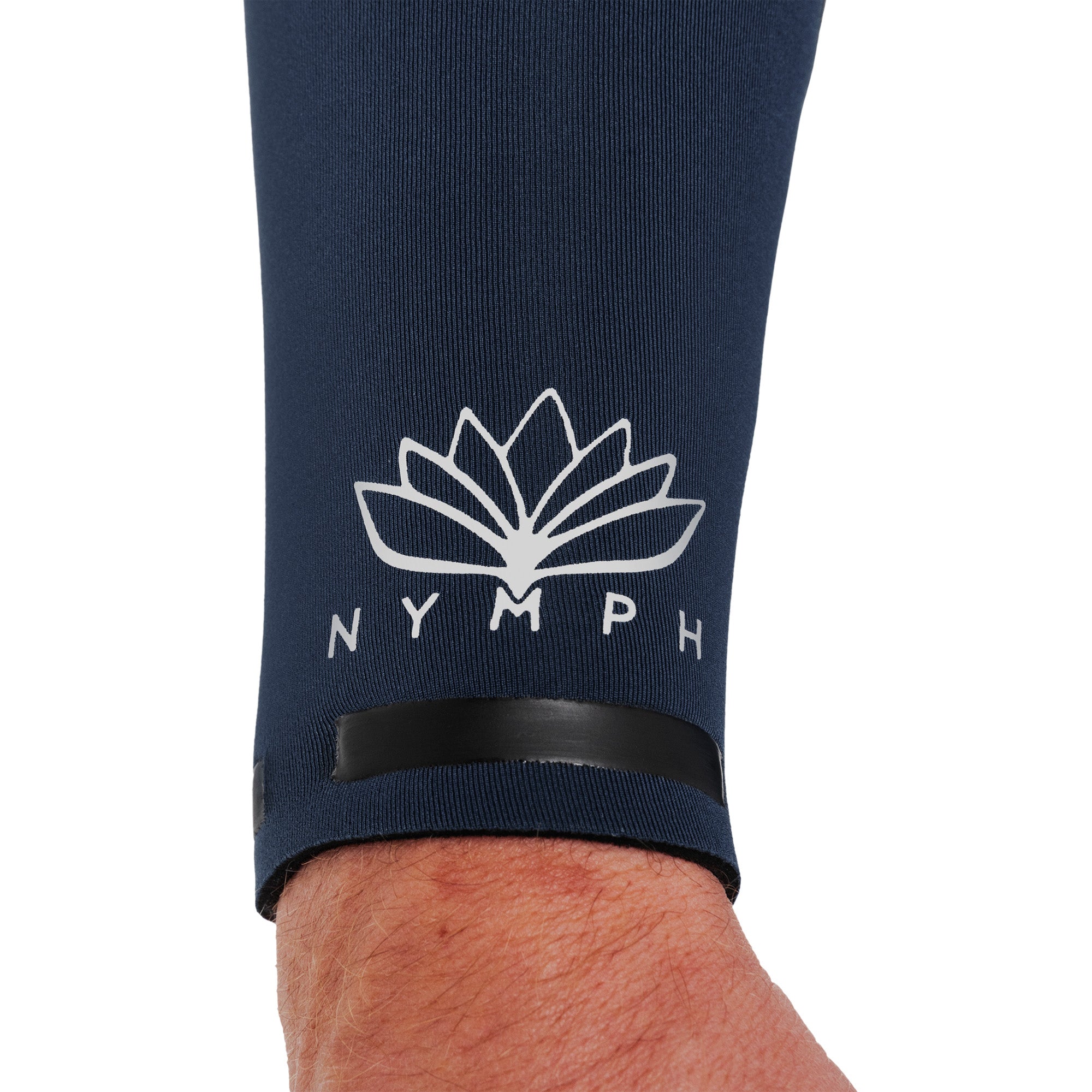
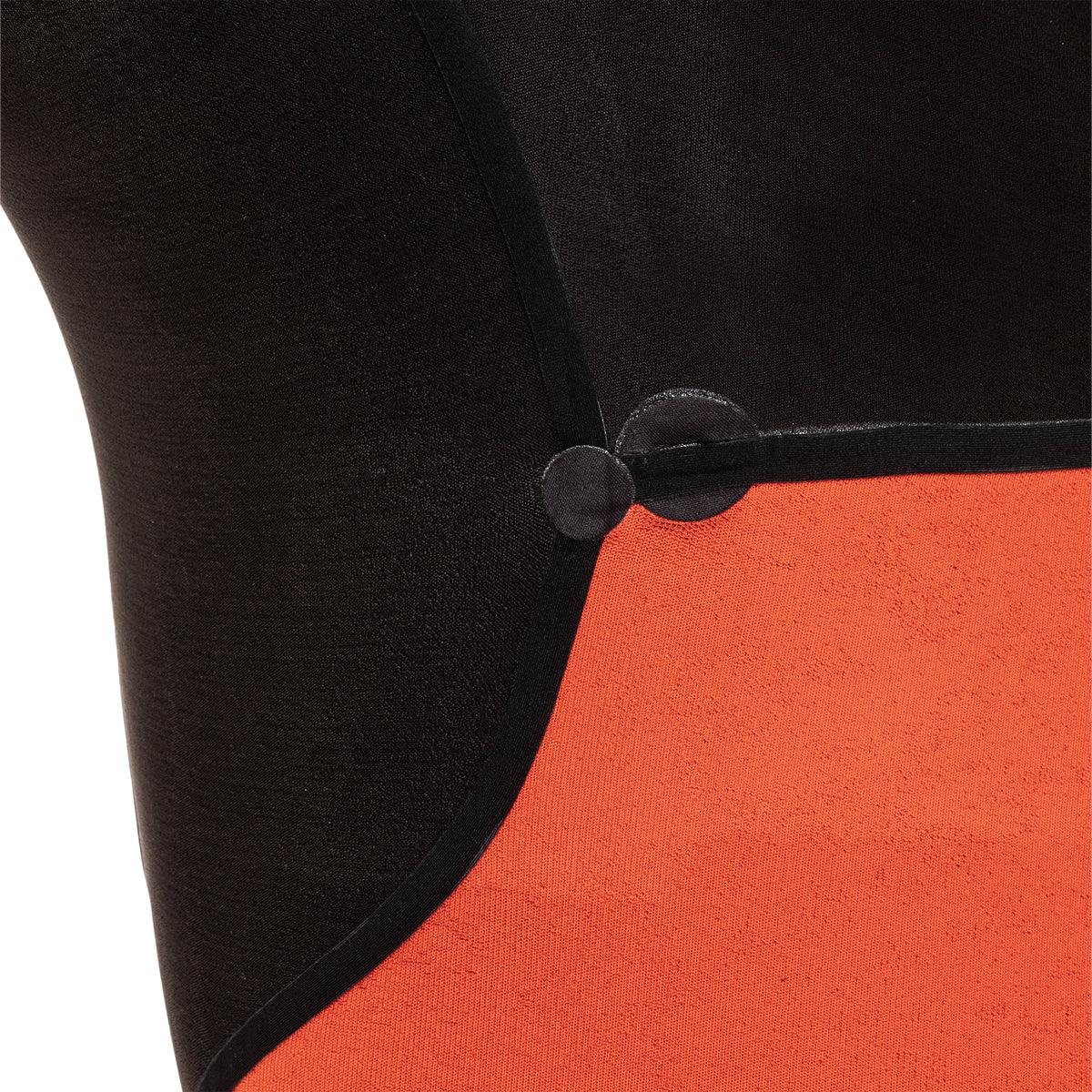
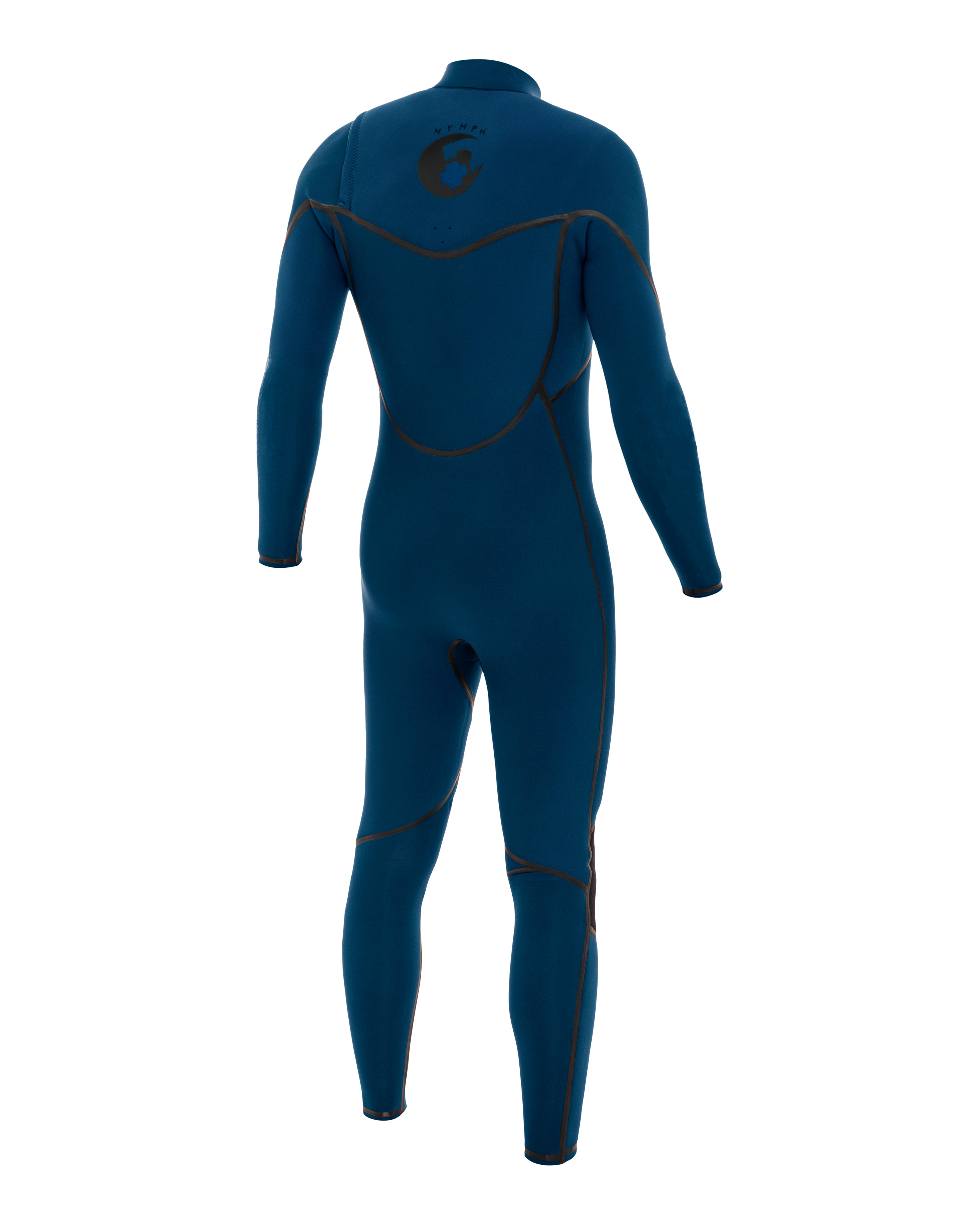
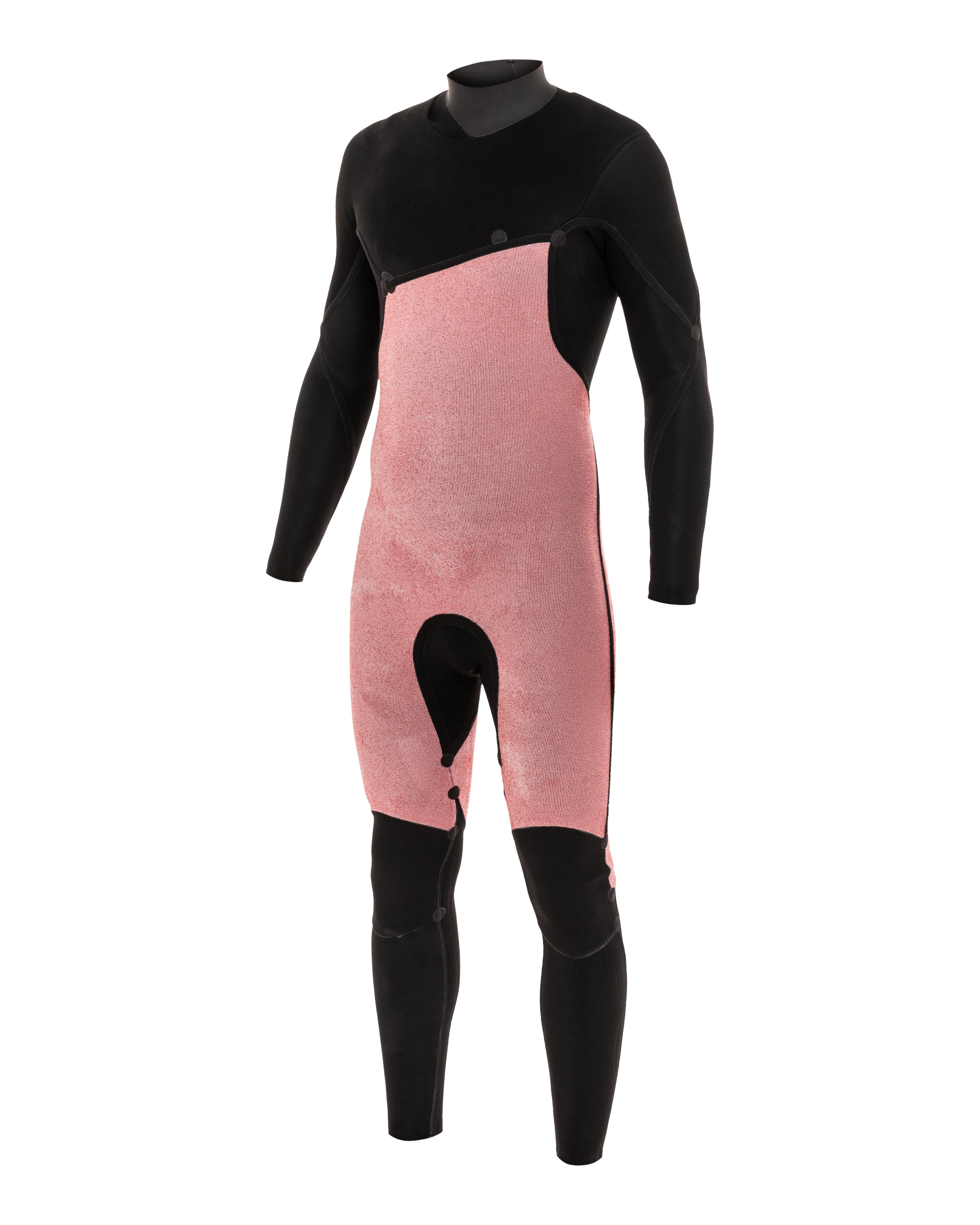
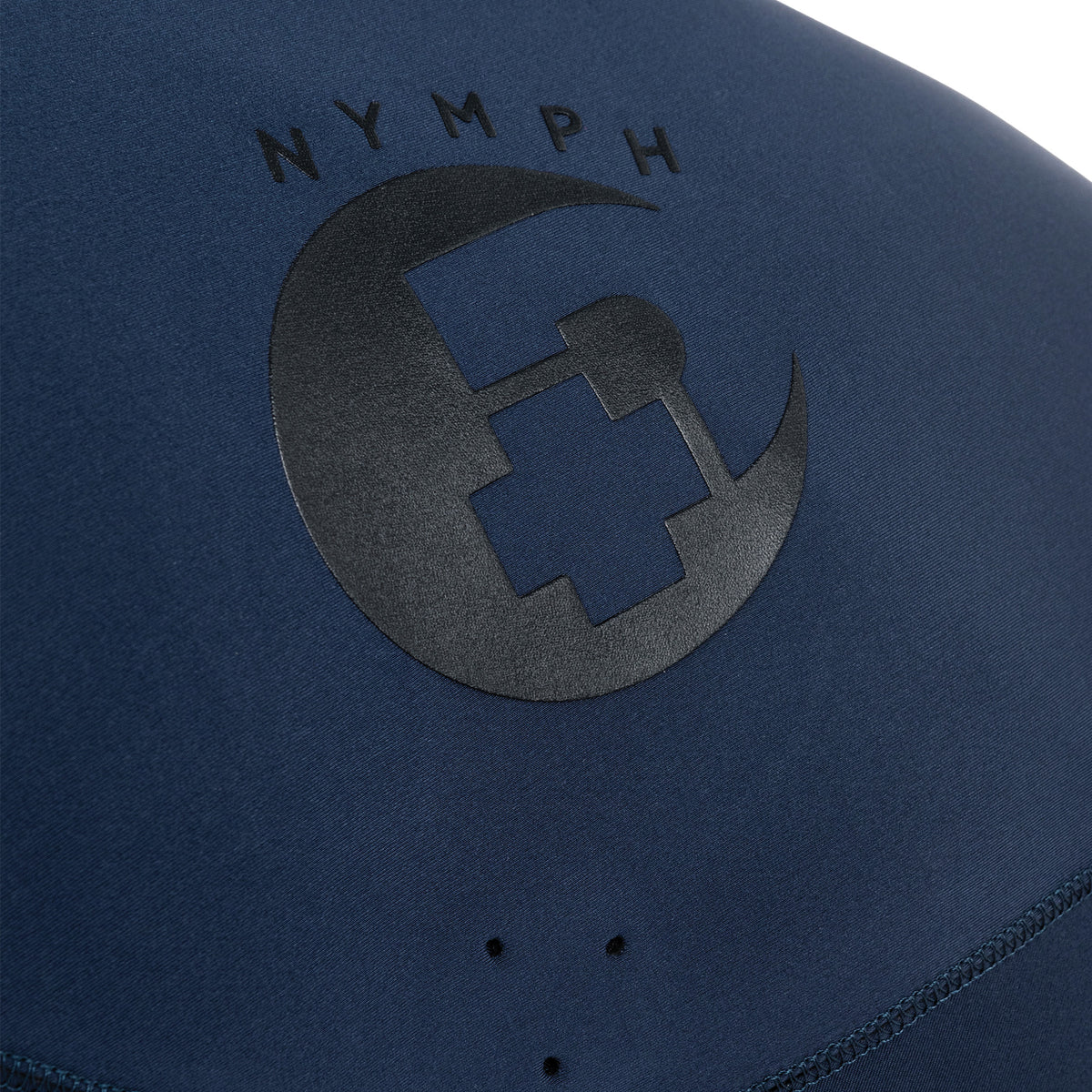
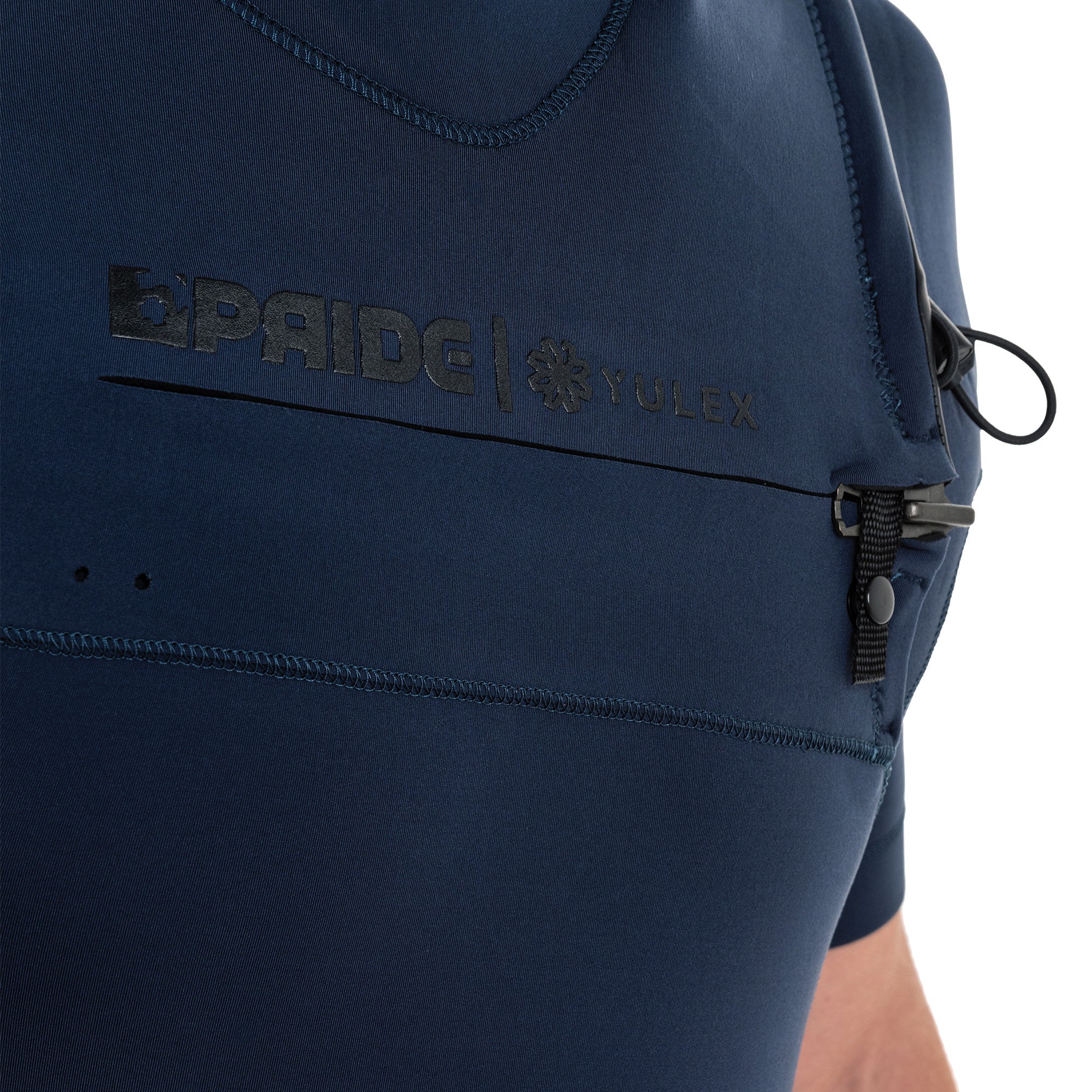
The number alone is not enough. Look at the seams (glued and blind-stitched, or liquid tape), the inner thermal lining, the zip (chest or back, preferably watertight) and above all the fit: a wetsuit that is too big fills with water on every duck dive. Thickness, sizing and finishes are detailed in the guide to choosing your bodyboarding wetsuit.
Wetsuit and accessories by water temperature
| Water temperature | Wetsuit | Accessories |
|---|---|---|
| 15 to 19 °C (autumn, spring) | 3/2 mm | Nothing, or thin neoprene socks in your fins |
| 12 to 15 °C (November, April) | 4/3 mm | 2-3 mm boots or socks, hood depending on the wind |
| 10 to 12 °C (December to March) | 4/3 mm hooded or 5/4 mm | 3-5 mm boots, hood, 3 mm gloves |
| Below 10 °C | 5/4 mm or 6/5 mm with built-in hood | 5 mm boots, hood, 5 mm gloves |
Guidelines for a rider who stays 1 to 1.5 hours in the water. Add a thickness if you feel the cold easily or if the wind is strong.
Neoprene boots or socks: your feet in your fins
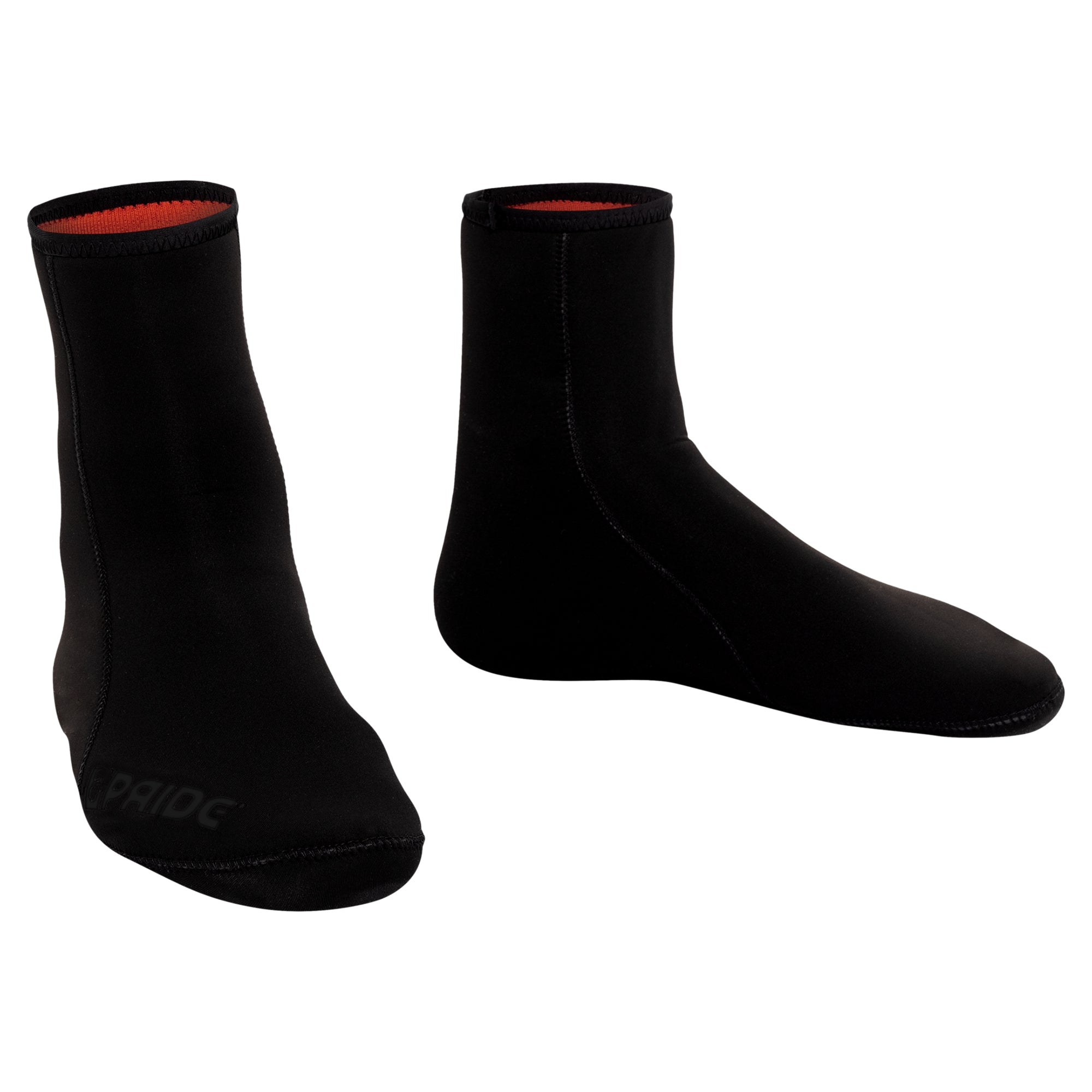
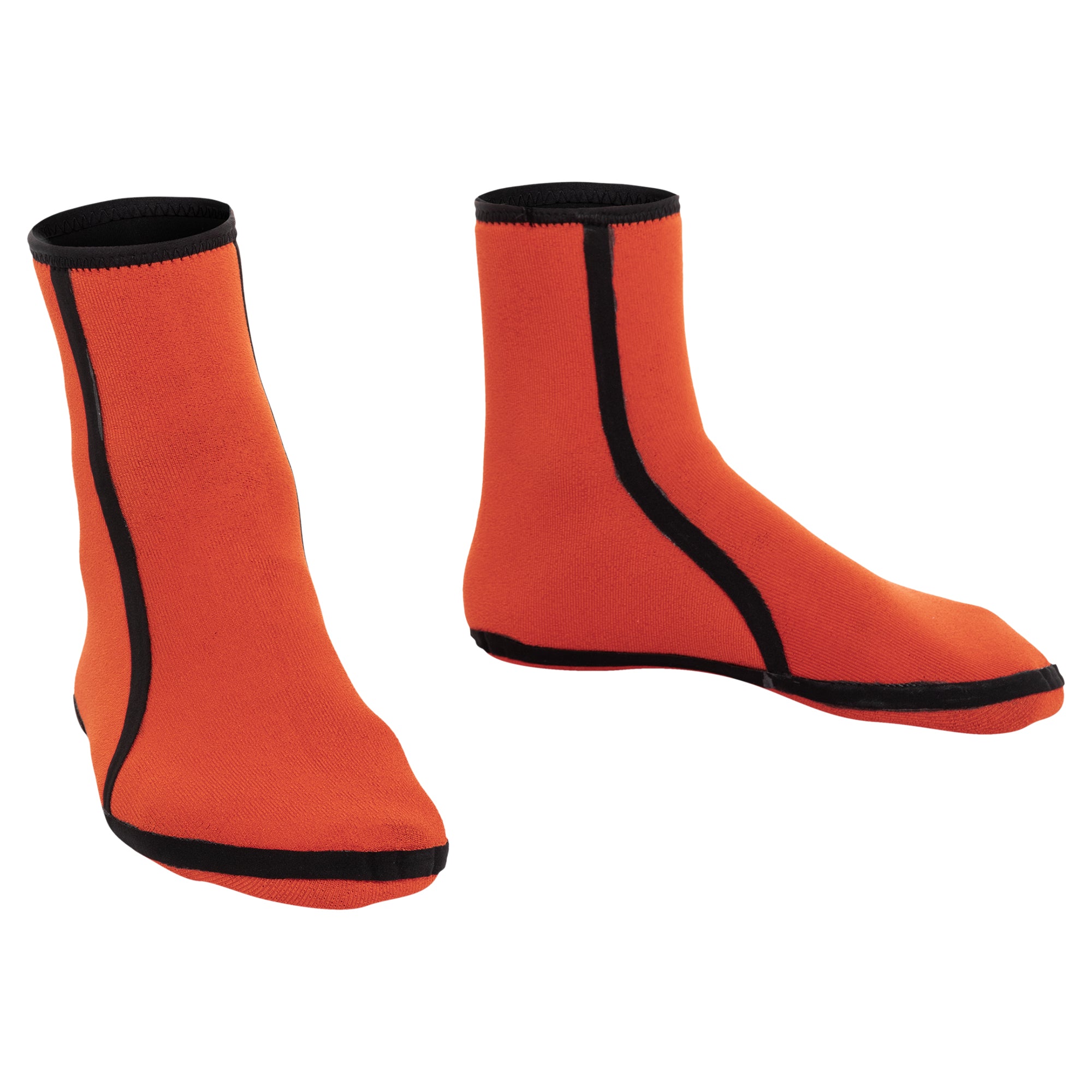
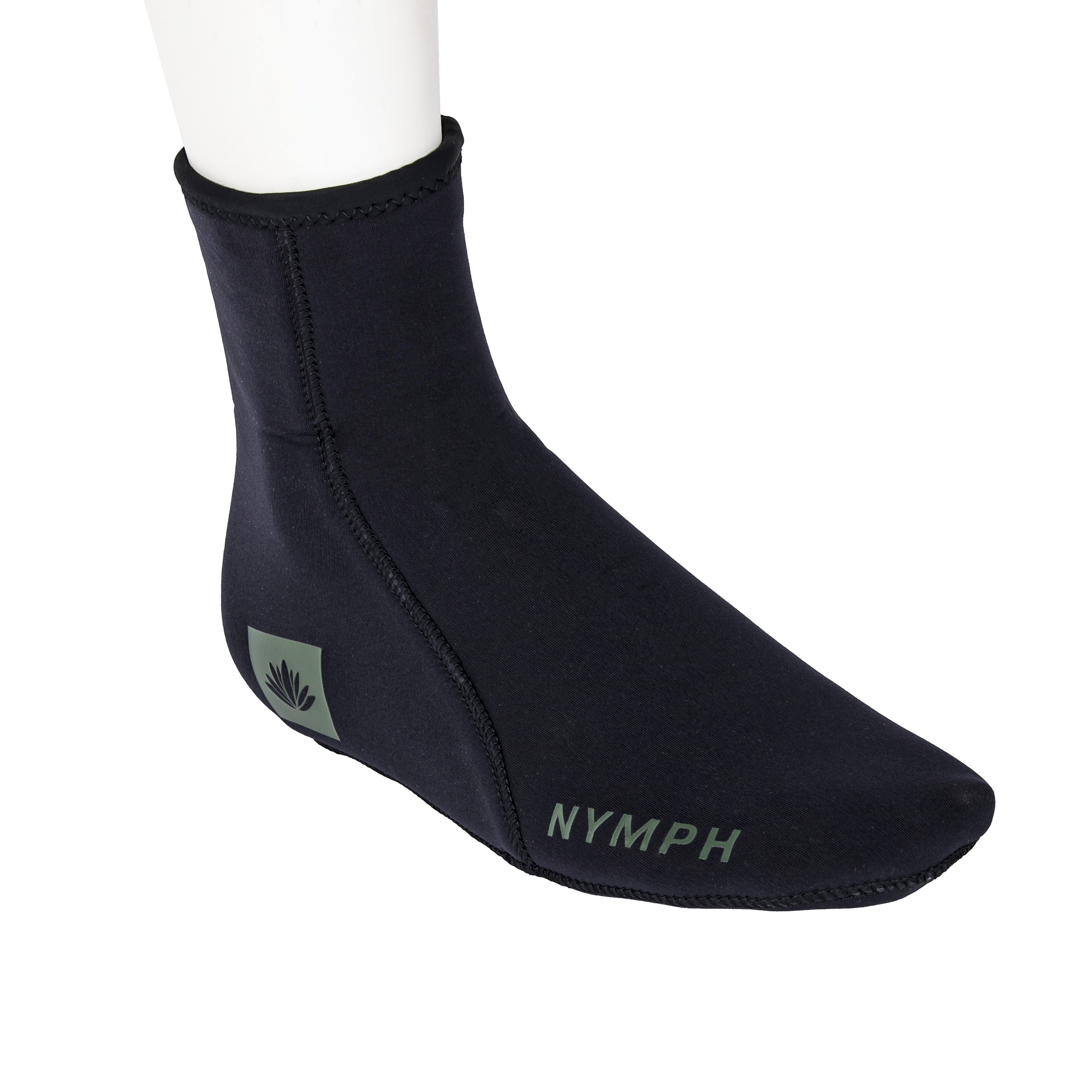
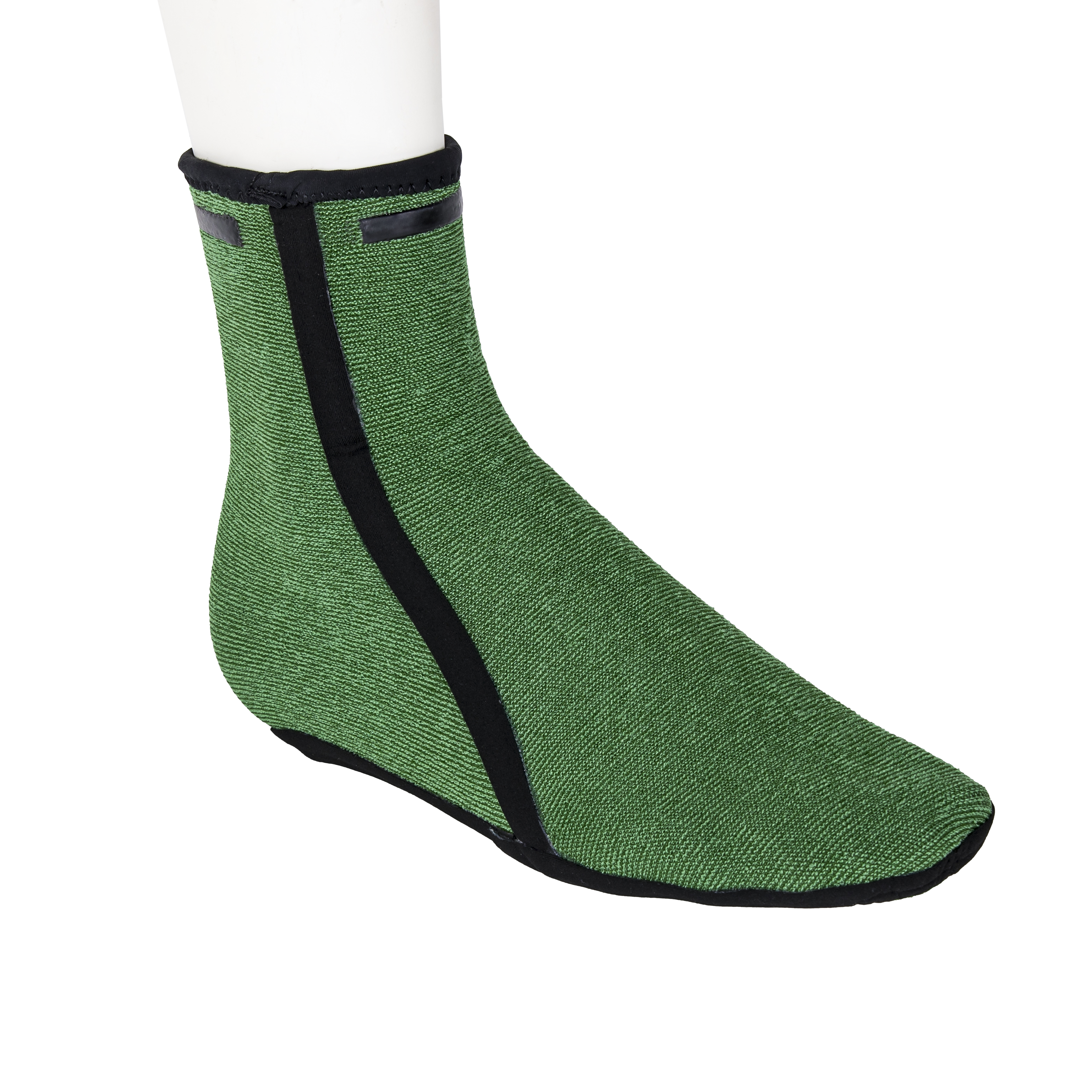
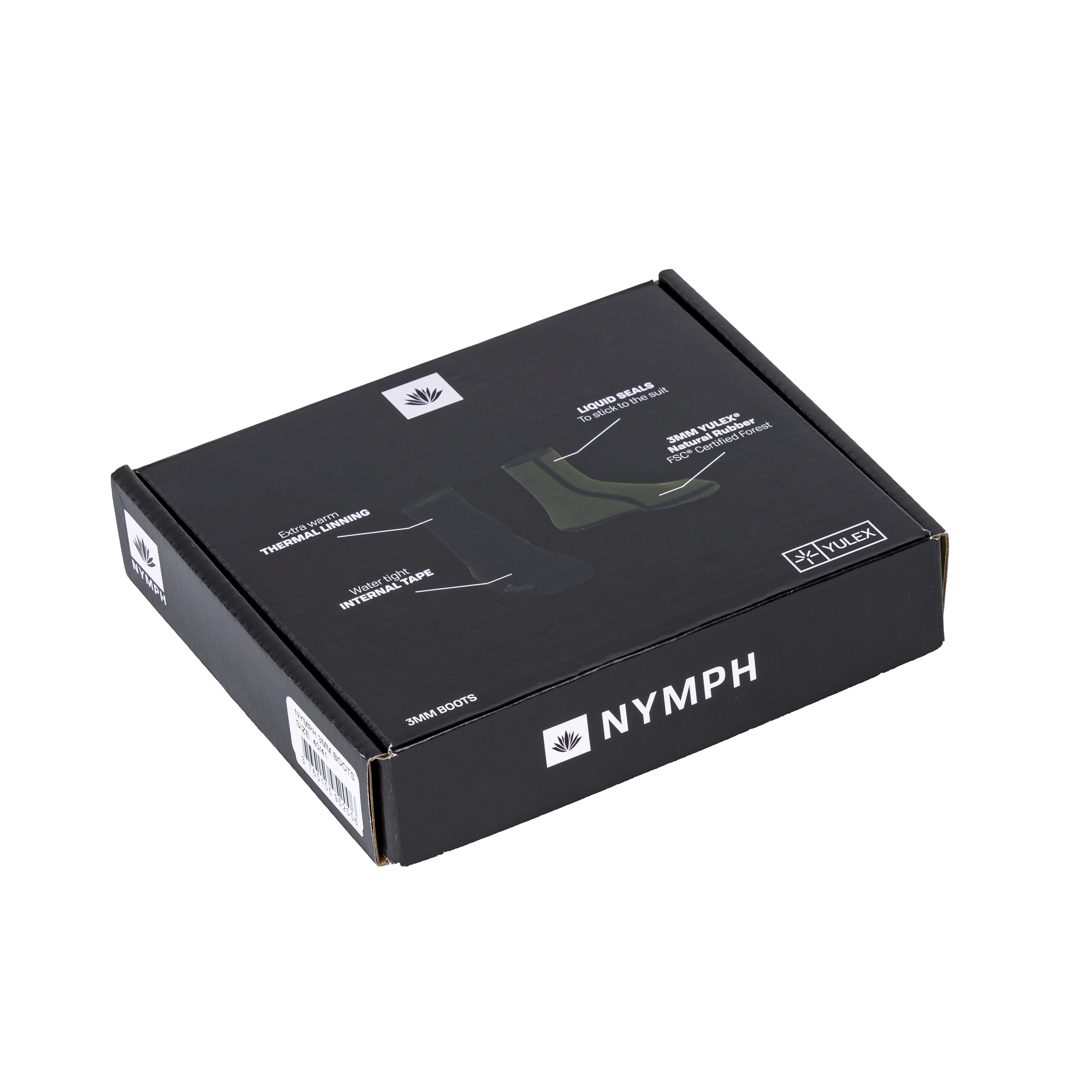
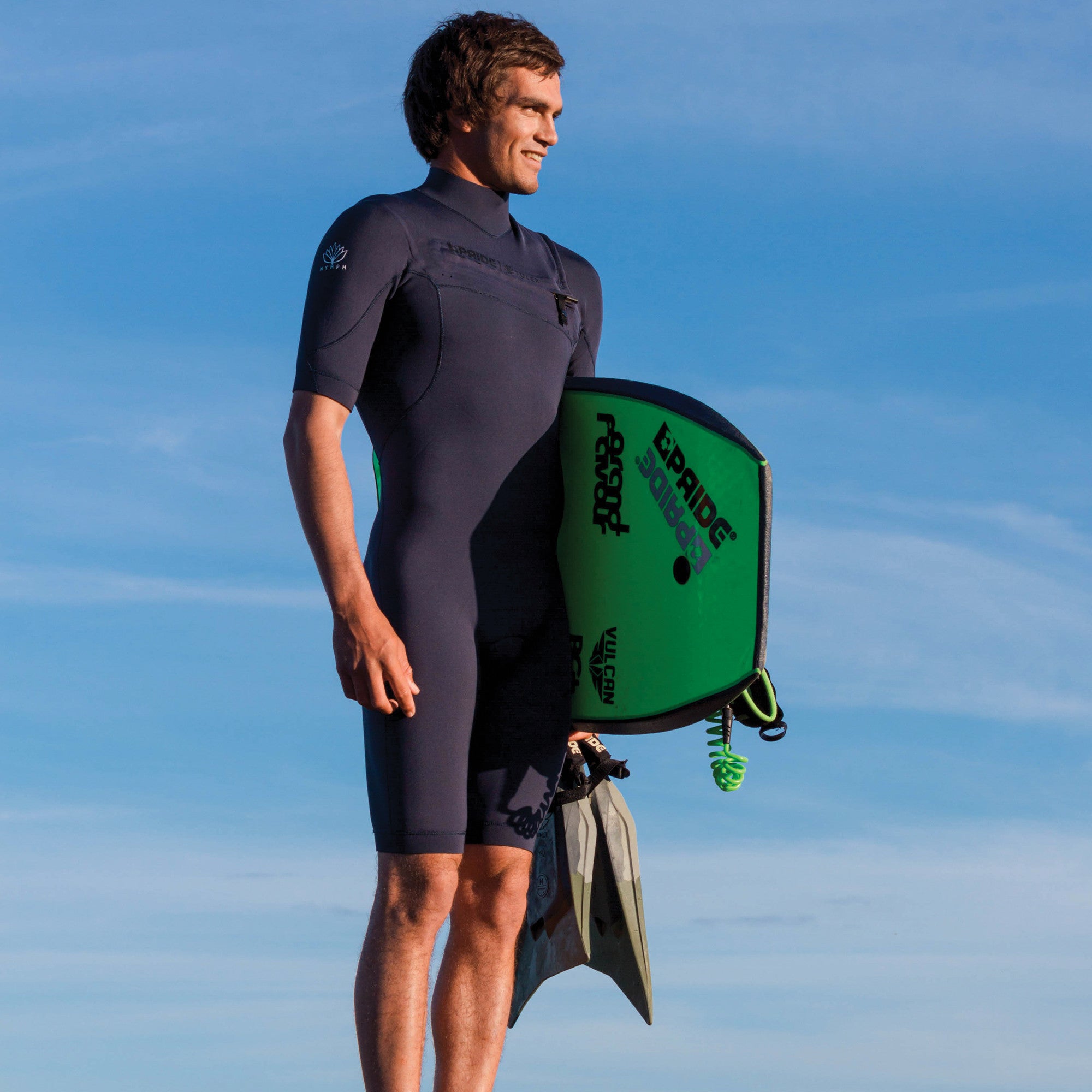
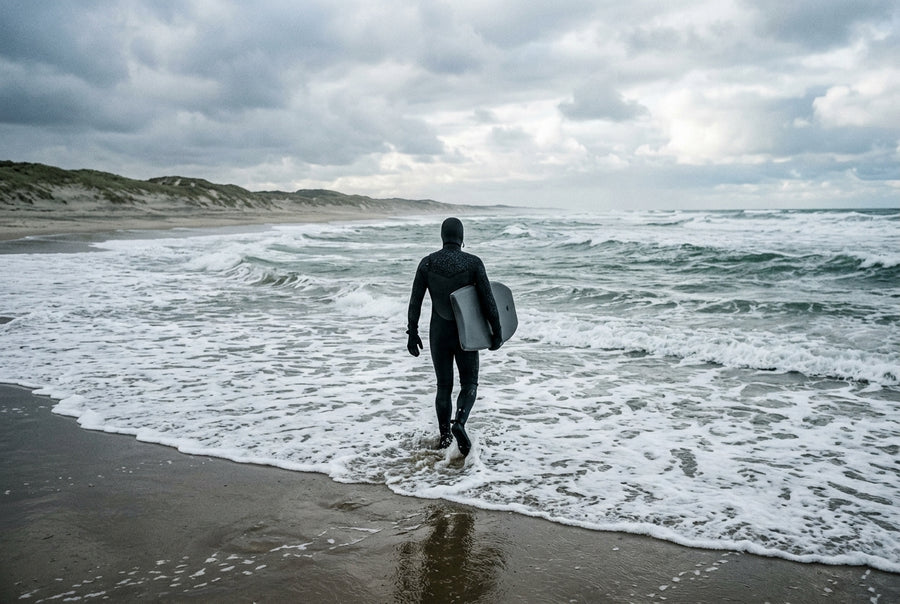
Feet are the first part of the body to suffer in winter, and in bodyboarding they are shut inside stiff fins that cut off circulation. Two solutions. Neoprene fin socks (1.5 to 3 mm), thin, with no sole, designed to slip into the foot pocket of the fin: they insulate, prevent blisters and take up half a shoe size. Neoprene boots (3 to 5 mm) with a soft sole: warmer, but thicker, they need fins one size up.
The rule: with thin socks, keep your fin size or take the size above if you are between two; with boots, always take one size up. The fins guide has a calculator that takes socks into account. And fin leashes: in winter, a lost fin is never found again.
Gloves, hood, top: protecting your extremities
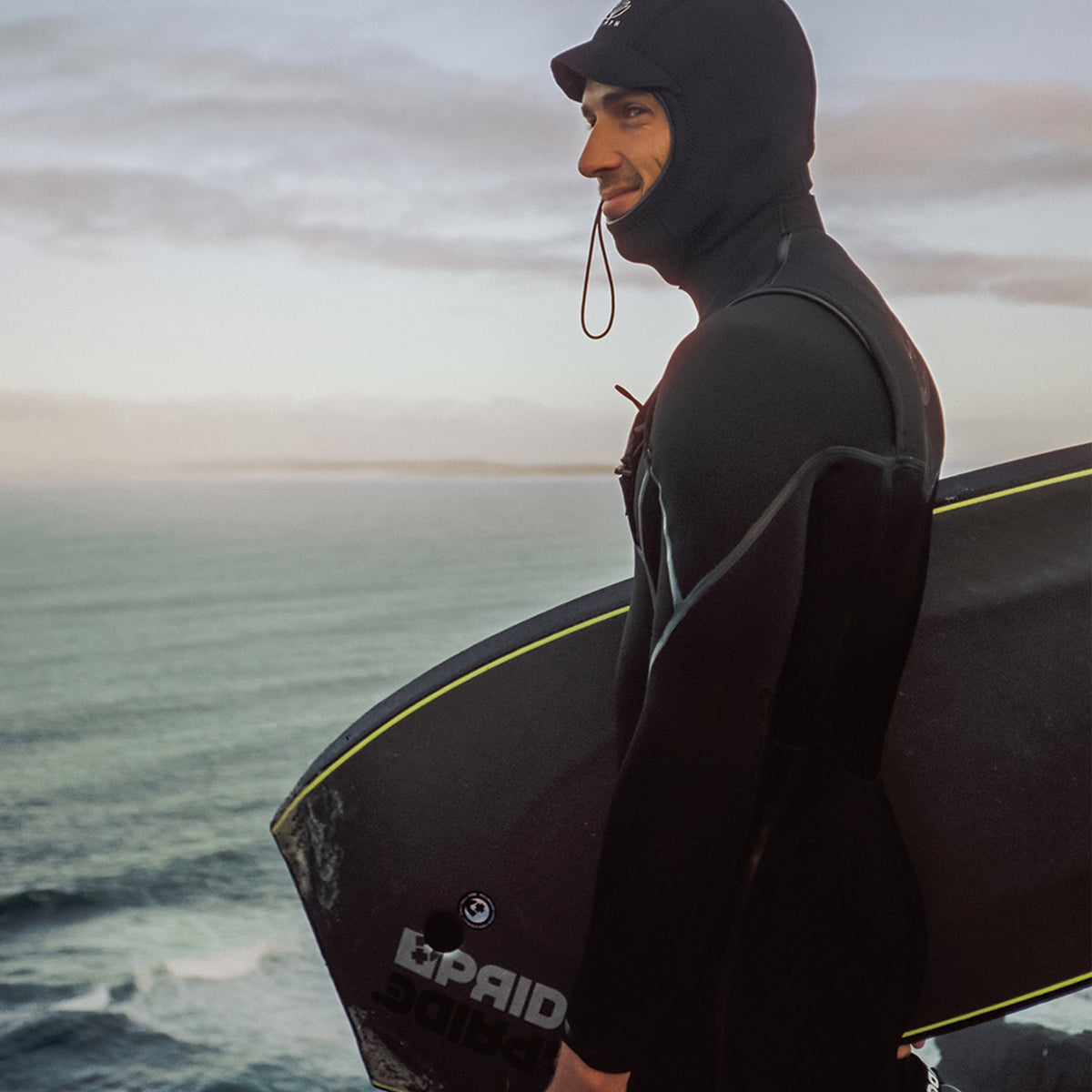
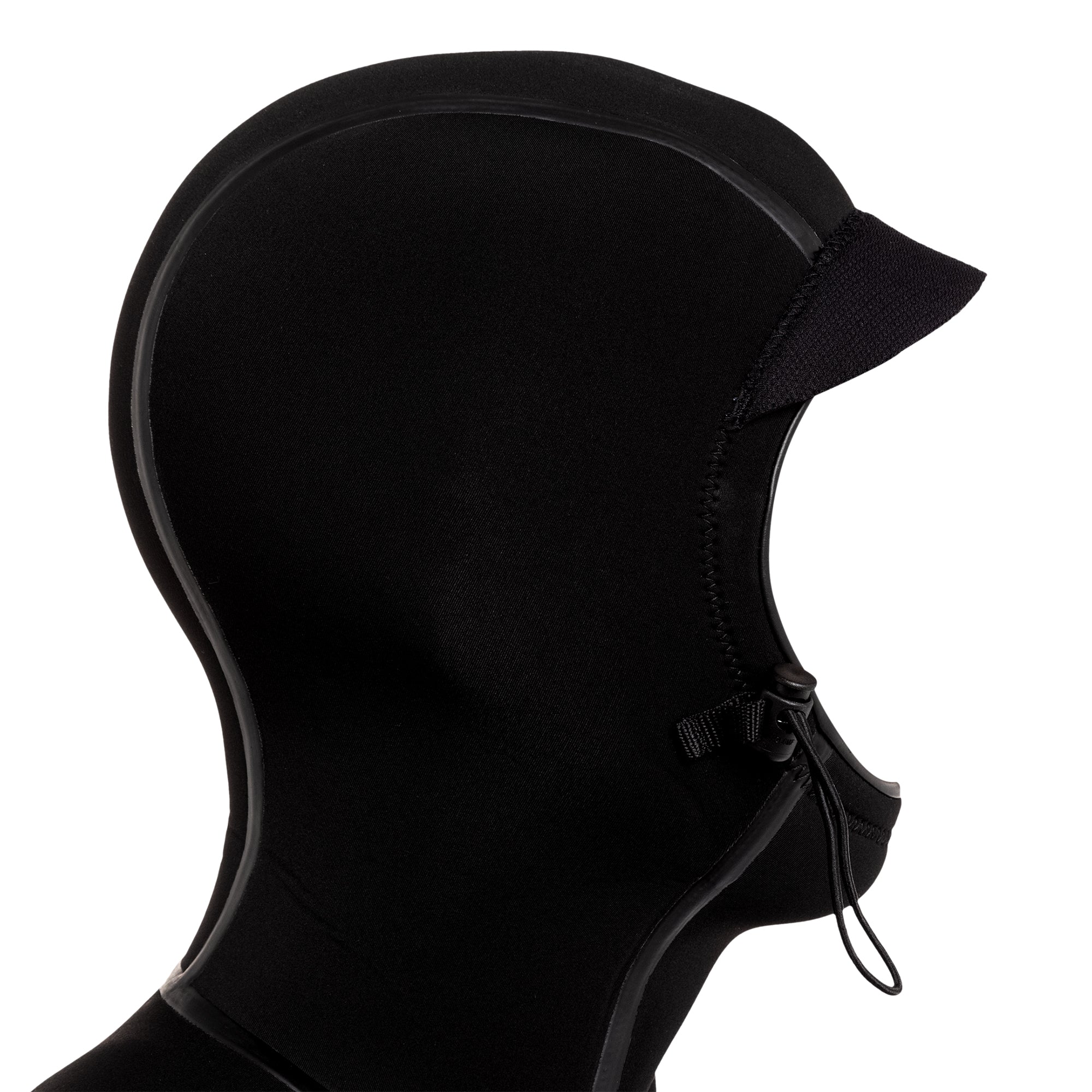
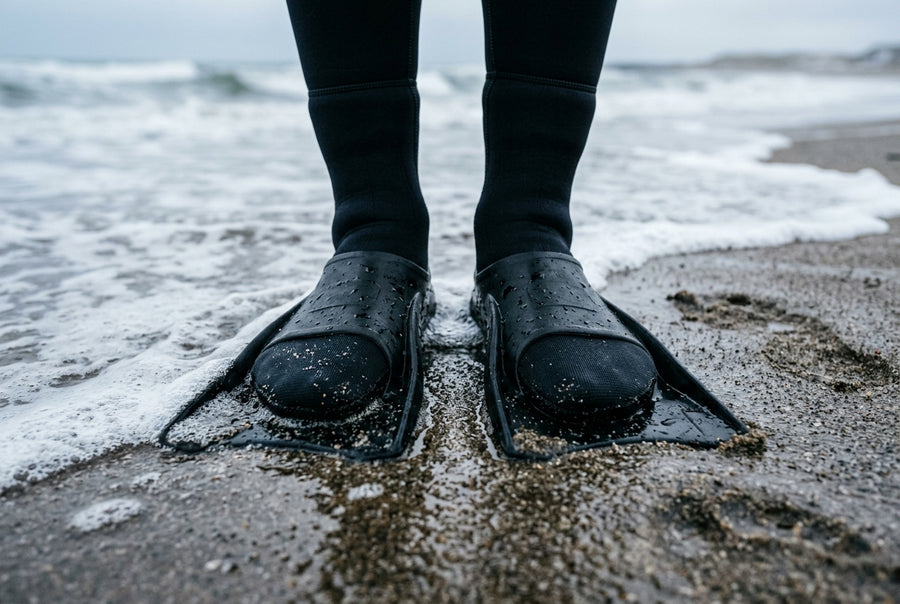
You lose a lot of heat through your head and hands. The hood (2 to 3 mm), built into the wetsuit or separate, changes everything as soon as the water drops below 12 °C or the wind blows: it prevents the headache on the first duck dive and extends the session by half an hour. Gloves (3 mm, 5 mm in very cold weather) protect against chilblains and keep your grip on the board; for bodyboarding, choose them thin at the fingertips so you can feel the rails.
Under the wetsuit, a neoprene top or a thermal rash vest adds a layer over the torso, where contact with the deck cools you down the most. These accessories are gathered in the wetsuit accessories collection.
Your board and wax in cold water
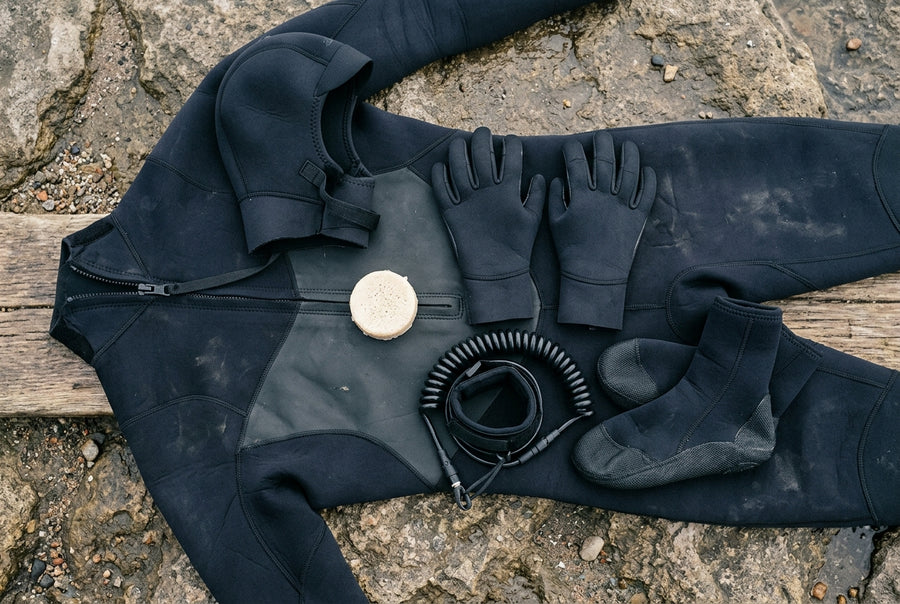
A bodyboard's behaviour changes when the temperature drops. A PE (polyethylene) core keeps its flex in cold water: it is the choice of Landes riders for winter, more forgiving and more comfortable in heavy waves. A PP (polypropylene) core becomes stiffer and snappier; it remains the choice of advanced riders who want response, provided they accept a harder board. NRG+ hybrid cores strike the compromise. The details are in the guide to choosing your board.
As for wax, get a cold-water wax (cold water, below 14 °C): a summer wax hardens and no longer grips, and on a wet deck in a 4/3 you slip on the first drop. Two spots of wax under the elbows and one on the nose are enough.
The routine of a winter session
Before: get changed in the dry and warm up
Put your wetsuit on out of the wind, in the car or behind the dune, on dry skin. Five minutes of warm-up on the sand, shoulders and hips, before putting on your boots and hood. Enter the water gradually to let the wetsuit fill up and warm up.
During: stay active and watch for the signs
In winter, you don't float around waiting: you kick, you catch waves, you keep moving. The first signs of getting cold are numb fingers, calf cramps and positioning mistakes. When they appear, the session is over, even if the waves are good: you get out before you get cold, not after.
After: dry off fast and warm up
A poncho as you get out, the wetsuit off first, a beanie, dry clothes and a hot drink in the car. A container of lukewarm water to rinse your feet and hands transforms the end of the session. Don't drive in a wet wetsuit: the cooling continues.
Looking after your gear between sessions
Always rinse your wetsuit, boots, gloves, fins and board in fresh water: salt stiffens neoprene and attacks the seams. Dry the wetsuit inside out, on a wide hanger, in a ventilated spot, out of direct sunlight and away from frost. A well-maintained wetsuit lasts three winters; a wetsuit left in a ball in the boot lasts only one.
Why riding in winter is worth it
The best waves in the Landes are often ridden from October to April: long, regular swells, offshore wind in the morning, sandbanks carved out by the autumn storms. The beaches are empty, you pick your peak. With the right wetsuit, a session of an hour and a half in 11 °C water is comfortable, and that is where riders progress the most, in more powerful and hollower waves than in summer.
Two precautions: conditions change quickly and the beaches are no longer lifeguarded. Ride with others, tell someone, and keep in mind the safety rules on rip currents (baïnes) and currents.
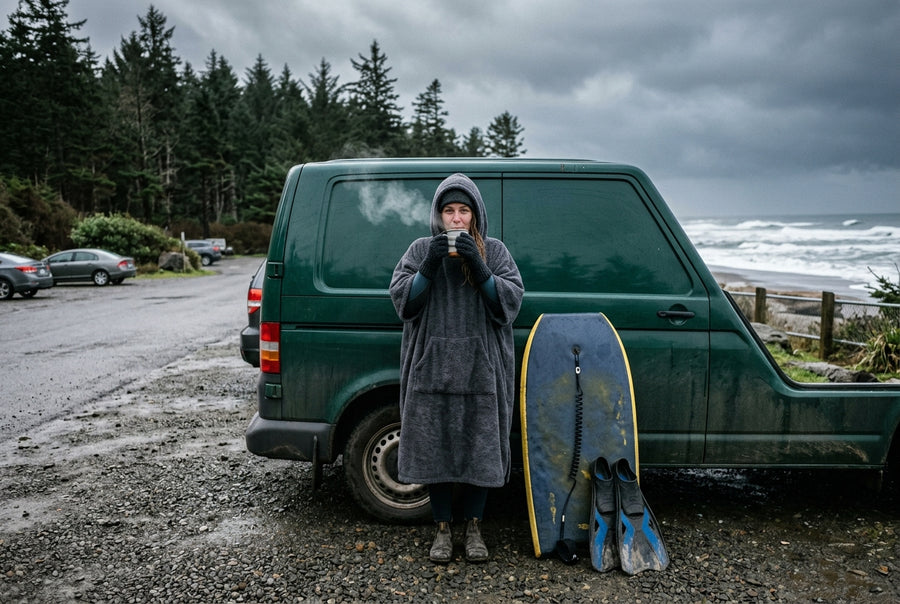
Frequently asked questions about bodyboarding in winter
Which wetsuit for winter bodyboarding?
On the Atlantic coast, a 4/3 mm with a hood from November to April, a 5/4 mm if you feel the cold, if the water drops below 11 °C or for long sessions. In Brittany and on the Channel coast, the 5/4 is the baseline. Choose it close-fitting, with watertight seams: a wetsuit that is too big does not keep you warm, whatever its thickness.
Neoprene boots or socks for your fins?
Thin socks (1.5 to 3 mm) to keep the feel and your fin size, boots (3 to 5 mm) for the very cold, with fins one size up. In both cases, the foot must stay held in the fin without being squeezed: it is compression that makes you cold.
When is the best time to bodyboard in winter?
In the morning, when the offshore wind smooths the waves, and around mid-tide on the beach breaks. Watch the swell period rather than its size: a long swell (12 seconds and more) gives clean, powerful waves. In very cold weather, the middle of the day gains two or three degrees of air temperature, which counts when you get out of the water.
Do you need a different board for winter?
Not necessarily, but a PE core behaves better in cold water than a PP, which hardens. Many riders have a PE board for winter and a PP or NRG+ for summer. Think about cold-water wax too: summer wax no longer grips below 14 °C.
How do you keep your hands and head from getting cold?
A 2-3 mm hood as soon as the water drops below 12 °C or the wind blows, 3 mm gloves (5 mm below 10 °C) thin at the fingertips to keep the feel of the rails. Put the hood on before entering the water, not after the first duck dive.
How long can you stay in the water in winter?
Well kitted out, 1 to 1.5 hours in 10-12 °C water is common. The signal to get out is numb fingers and cramps, not the clock. A shorter session and a second one later in the day are better than a single one that is too long.
Going further: getting started, progressing, kitting out a child
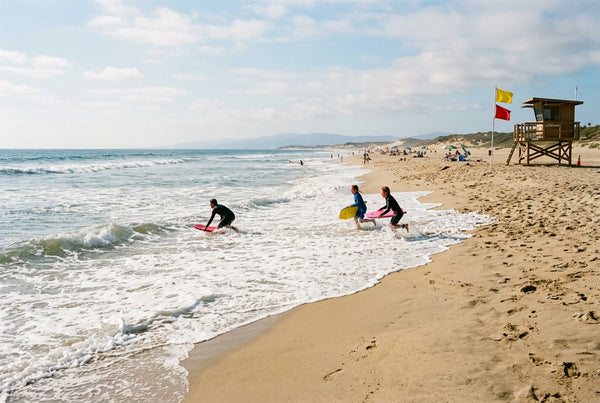
How do you bodyboard?
The beginner's guide: gear, spot, position on the board, kicking, your first wave in 6 steps, mistakes and safety.
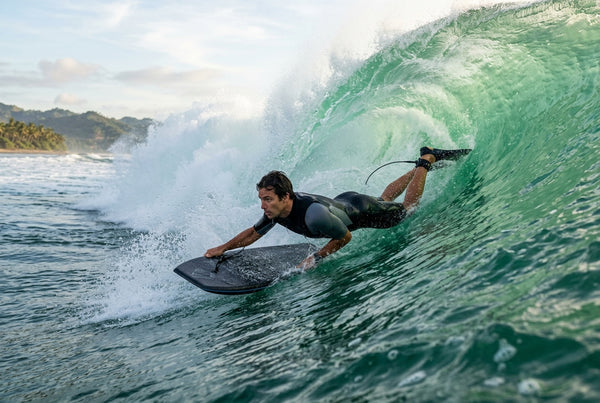
Bodyboarding moves
From the bottom turn to the backflip: classic and advanced manoeuvres, their technique, their prerequisites and the order to learn them in.
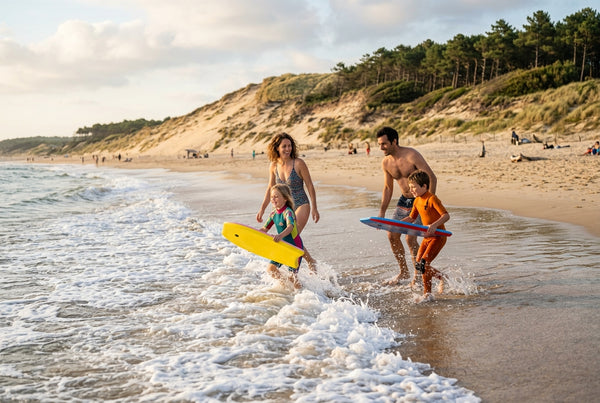
Bodyboarding for kids
Size by age and weight, foam or PE core, leash, fins and safety to choose a child's board.
Kitted out for winter
4/3 and 5/4 wetsuits, boots, socks, gloves, hoods, ponchos and cold-water wax: it is all in the shop. Unsure about a thickness or a size: write to us, we ride the same beaches as you.
See our bodyboarding wetsuits