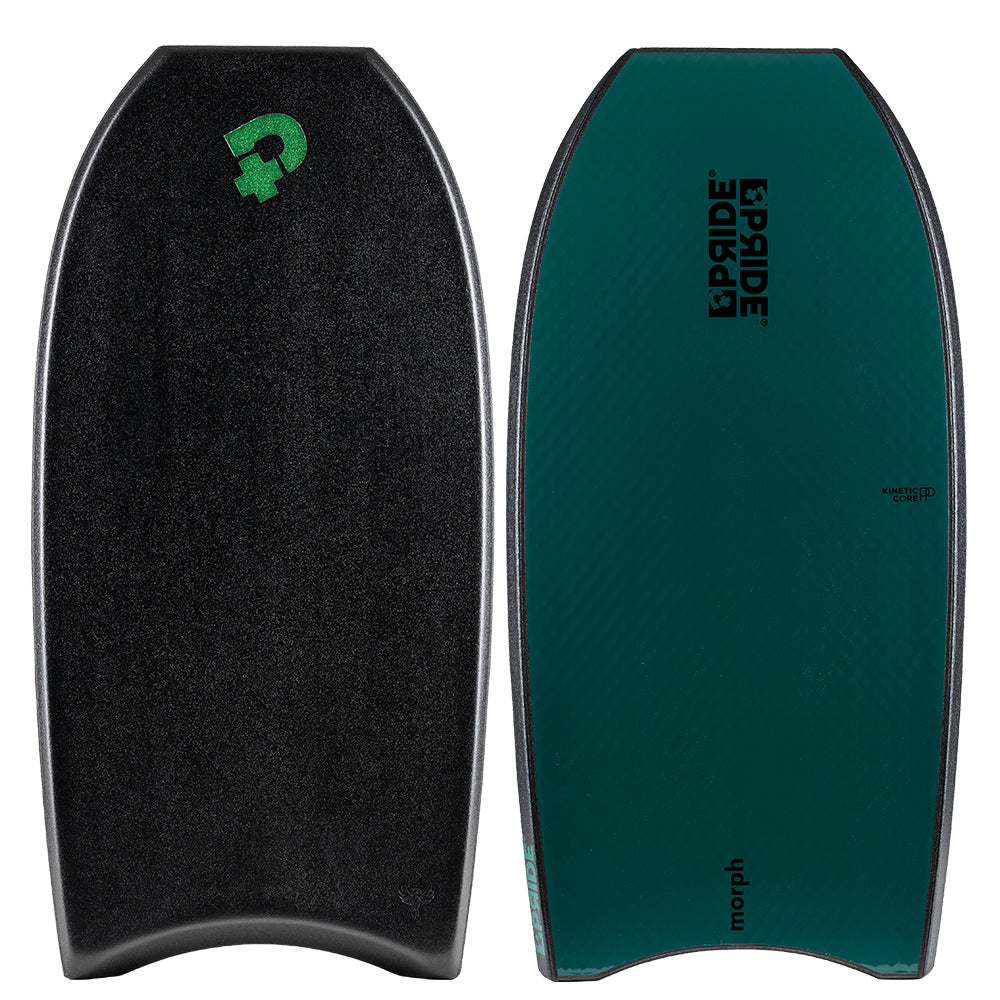
How to choose your bodyboard?
Choosing a bodyboard comes down to deciding five things: the core, the slick, the stringer, the shape and the size. The core dictates how the board behaves and what it costs, so it is the first trade-off. A PE to get started and ride in cold water, a PP for speed and powerful waves, an NRG+ for those who want both. The rest, slick, stringer and shape, fine-tunes that choice according to your level and your waves.
This guide goes over what we explain every day over the counter in Hossegor, in the order the questions really come up. Size has its own guide: our bodyboard size guide contains the tables by weight, build and level, as well as the conversions in centimetres.
The five criteria that really decide
A bodyboard product page lists around fifteen characteristics. Only five make any difference in the water, the others are variations in finish. Here is the order to take them in.
| Criterion | What it determines | Look at it first if |
|---|---|---|
| The core | Snap, buoyancy, cold-water behaviour, price | Always. It is the structuring choice |
| The slick | Pure speed and glide on the face | You ride fast waves |
| The stringer | Longitudinal stiffness and spring | You weigh more than 75 kg or ride hollow waves |
| The shape | Pivot, grip, behaviour in turns | You are already doing manoeuvres |
| The size | Lift and control | Always, see the dedicated guide |
The core: PE, PP, NRG+ or EPS
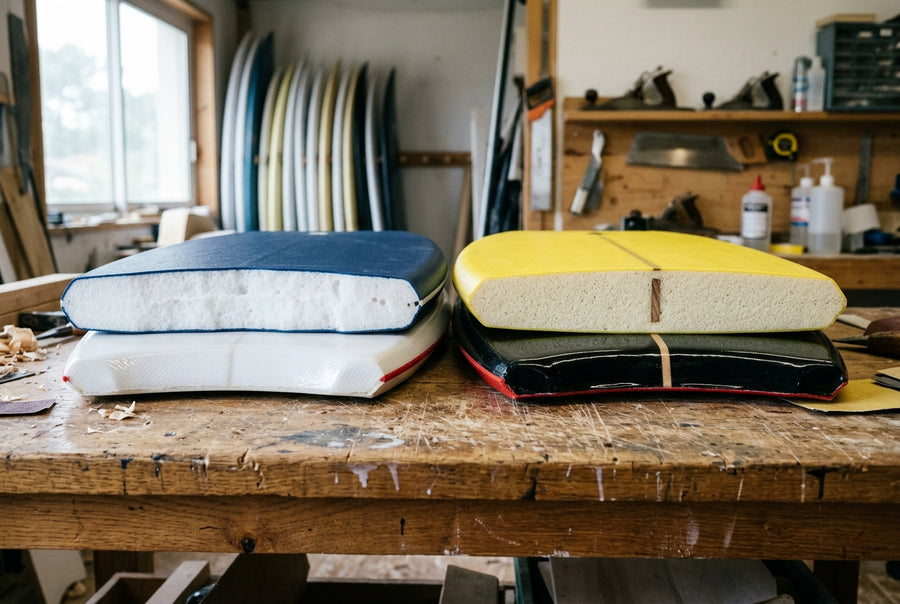
The core is the foam that forms the heart of the board, and it decides everything else. Four families share the market, and they are not aimed at the same riders or the same waters.
| Core | Behaviour | Water | Who for | Budget |
|---|---|---|---|---|
| PE (polyethylene) | Soft, forgiving, absorbs positioning mistakes | Cold, below 18 °C | Beginner to intermediate | €60 to €180 |
| PP (polypropylene) | Snappy, very responsive, pronounced rebound | Warm, above 18 °C | Advanced to expert | €180 to €400 |
| NRG+ | Compromise, pop without becoming brittle | All year round | Versatile regular rider | €200 to €350 |
| EPS | Very light and very buoyant, less durable | Warm | Drop-knee, small waves | €150 to €300 |
Water temperature is not a minor detail in this choice. A PP core hardens noticeably below 15 °C and loses its spring, whereas a PE keeps its flex. On the Landes coast, where the water drops to 12 °C in winter, it is a first-rank criterion, and that is why we see a lot of PE and NRG+ leaving the shop between November and March.
A nuance we often repeat: a PE is not a cut-price board. It is a technical choice, and many experienced riders keep one in their quiver for winter sessions and the shorebreaks where the board takes a beating.
Core stiffness
| Core | Stiffness | Character |
|---|---|---|
| PE | Soft | Forgiving, mild water |
| NRG+ | Intermediate | Compromise, all seasons |
| PP | Stiff | Snappy, hollow waves |
| EPS | Very stiff | Very light |
The stiffer the core, the more speed the board gives back and the more technique it demands.
The slick and the deck
The slick is the underside of the board, the side that touches the water. The deck is the top side, the one you lie on. Both are chosen together with the core.
An HDPE slick goes hand in hand with a PE core, with honest glide and good impact resistance. A Surlyn or HDPP slick goes with PP cores and delivers pure speed, the kind you feel from the take-off on a fast wave. The difference is real, but it is only noticeable from a certain level of speed, which makes it secondary for a beginner.
On the deck side, crosslink is the norm. What matters more is the thickness and the deck contour, that slight hollow where your elbows and chest settle in. A pronounced deck contour holds the body in place better and is less tiring over long sessions.
The stringer, useful or not
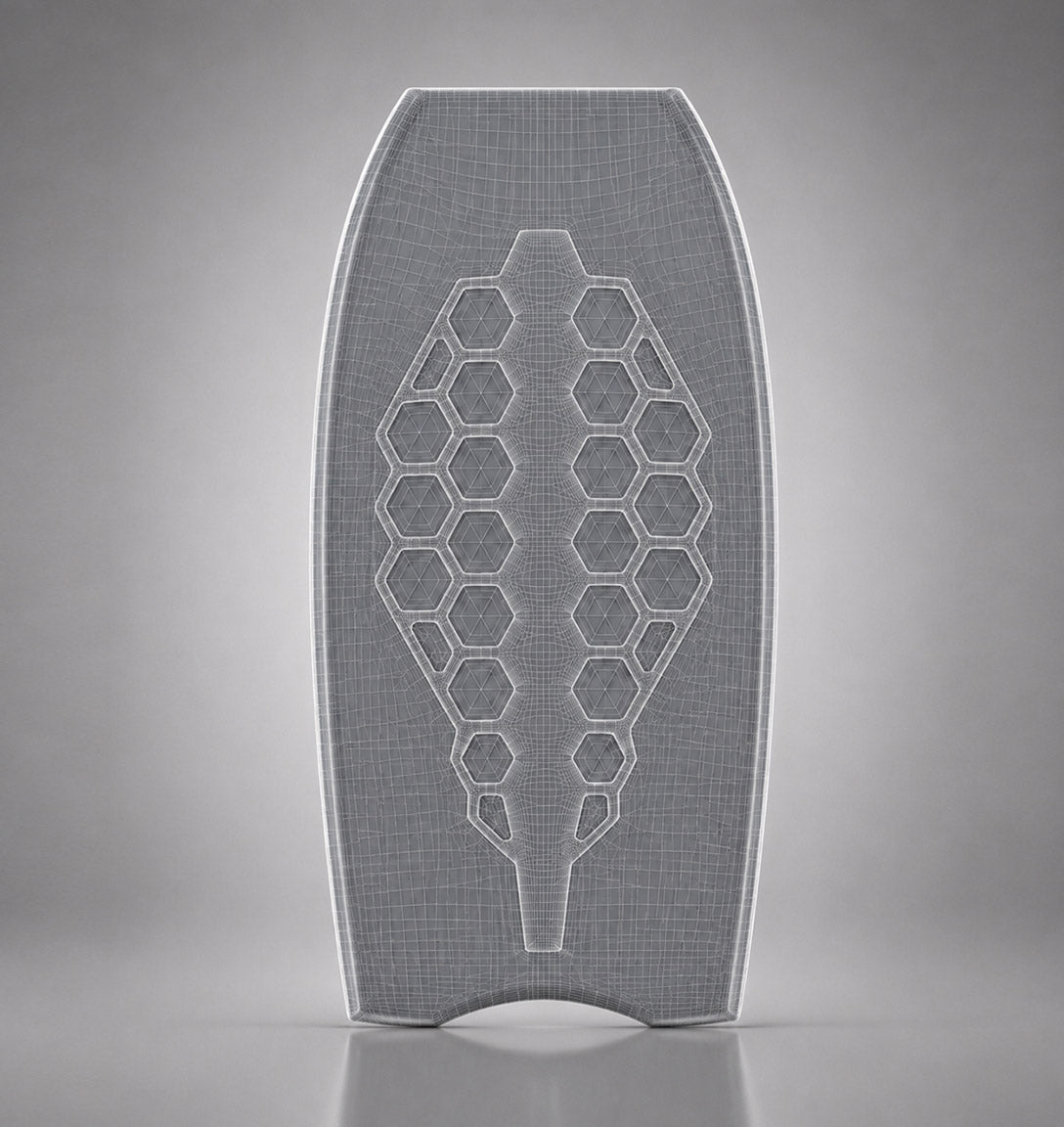
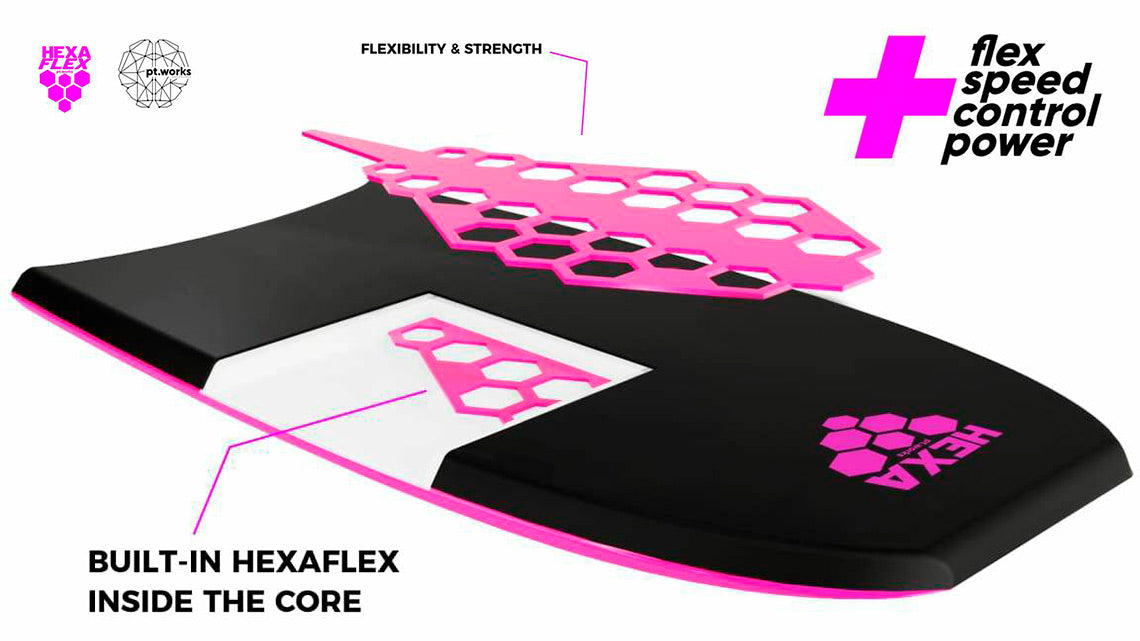
The stringer is a rod, usually carbon or fibre, inserted lengthways into the core. It stiffens the board and gives it back its spring after every turn. Without it, a board twists over time and loses its snap.
A board with no stringer under a 90 kg rider sags within one or two summers. It is one of those cases where saving money costs more in the long run.
- No stringer suits light riders in small waves, typically under 60 kg in summer whitewater.
- A single stringer is the standard above 70 kg and covers the vast majority of uses.
- A double stringer is for heavy builds and powerful waves, from 85 kg or on hollow spots.
- The triple stringer, or trident, remains reserved for big-build set-ups in heavy conditions. It is rare and it is expensive.
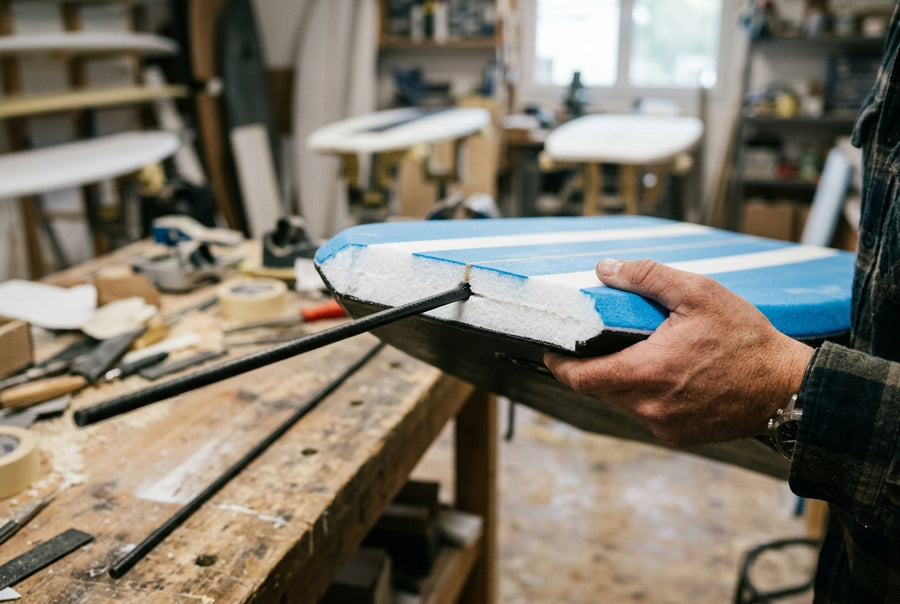
Stringer configurations
| Configuration | Build |
|---|---|
| None | Under 60 kg |
| Single | 60 to 80 kg |
| Double | Over 80 kg |
| Trident | Big build |
The shape: what really changes in turns
The shape covers everything to do with the geometry of the board. Four elements are enough to understand a product page.
The wide point is the widest part of the board. Forward, it gives lift under the chest and makes catching waves easier, which suits beginners and drop-knee. Further back, it frees up the nose and makes the board livelier in turns, for riders who do manoeuvres.
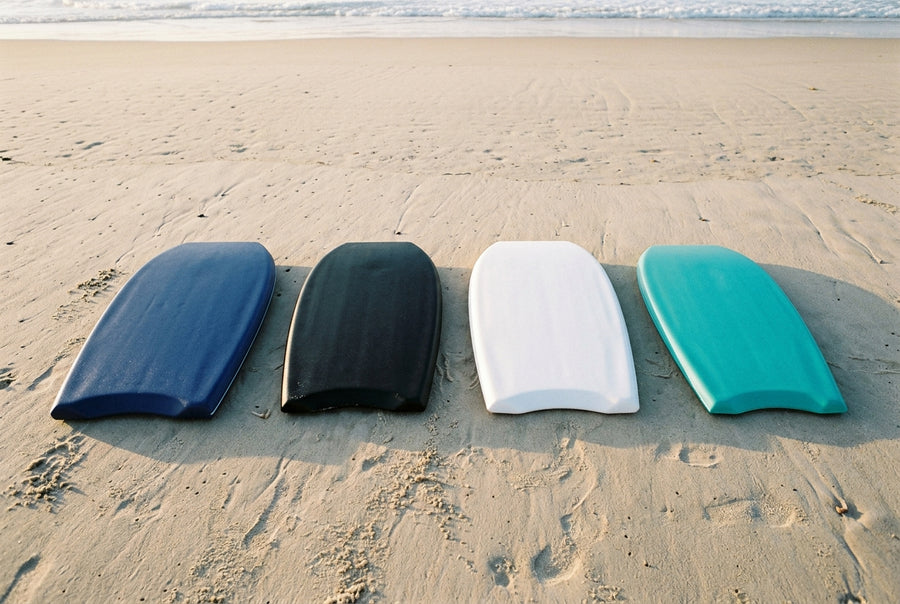
| Wide point position | Effect |
|---|---|
| High (forward) | Lift, soft waves |
| Low (back) | Pivot, hollow waves |
The tail, crescent or bat
The crescent tail, shaped like a half-moon, is the most common and the safest bet: it holds its line and grips well on the face, in prone as in drop-knee. The bat tail, shaped like a swallowtail, releases the back end more easily and favours rotations, but is less forgiving. If in doubt, go for a crescent.
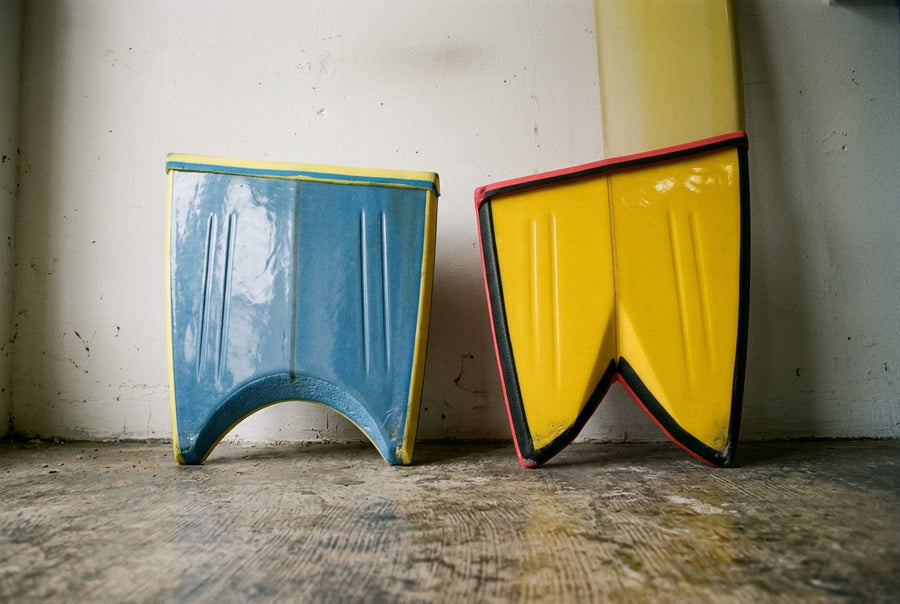
| Tail | Form | Behaviour |
|---|---|---|
| Crescent | Wide, shallow notch | Grips on the face, versatile, the default choice |
| Bat | Narrow, pronounced notch | Releases the back end, favours rotations, less forgiving |
Channels and rails
Channels are those grooves cut into the rear of the slick. They channel the water and add grip in fast waves. On soft waves, their effect is marginal.
The rails are the edges of the board. A 60/40 rail, more rounded, is forgiving and versatile. A 50/50 rail, more angular, bites deeper into the face but punishes edging mistakes. The 60/40 is the right reflex as long as you have no specific reason to do otherwise.
Which board for your level
The most costly mistake is buying the board for the level above yours. A board that is too technical catches fewer waves, and the number of waves caught is exactly what makes you progress in the first months. We regularly see riders come back to a PE after a PP bought too early.
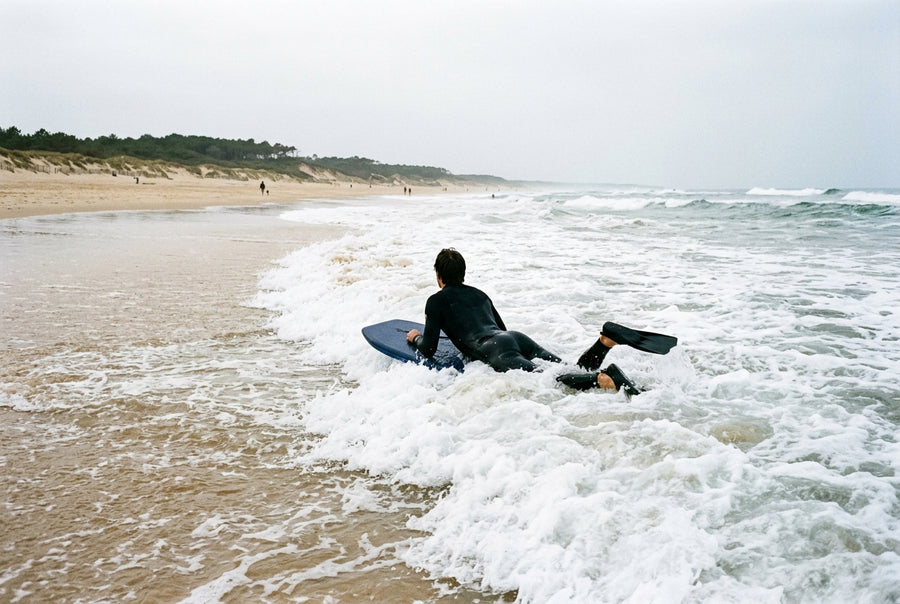
| Level | Recommended core | Stringer | What you are looking for |
|---|---|---|---|
| Beginner, fewer than 20 sessions | PE | Single or none | Lift and forgiveness |
| Intermediate, catching the wave, turns coming | High-end PE or NRG+ | Single | A bit of spring without losing comfort |
| Advanced, manoeuvres established | NRG+ or PP | Single or double | Responsiveness and speed |
| Expert, heavy spots | PP | Double | Pure control in the hollow |
What budget to plan for
Below €60, you leave bodyboarding gear behind and enter beach-toy territory. A supermarket board in solid foam hits its ceiling after a few sessions and teaches you nothing, because it does not glide enough for the wave to carry you. It is the only purchase we frankly advise against.
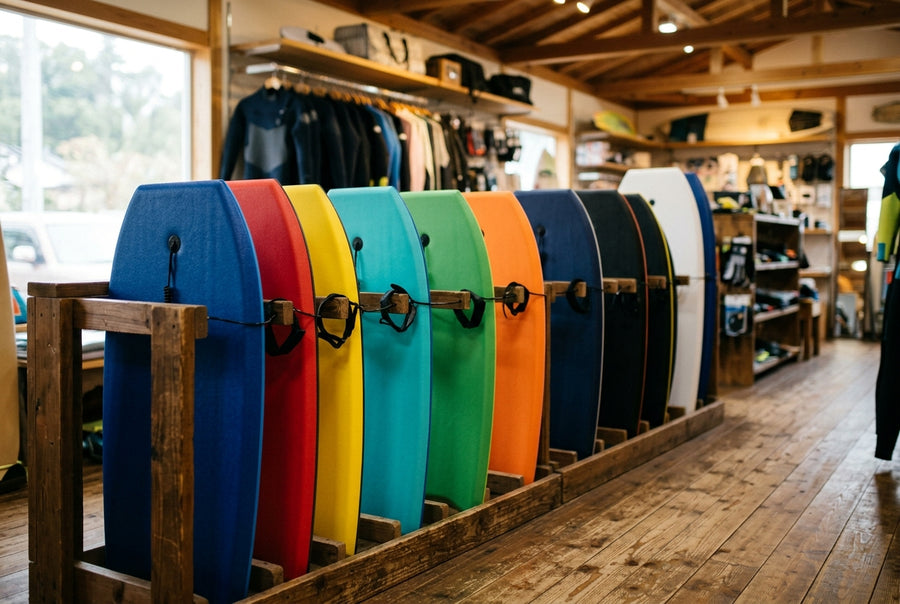
The best value almost always sits in the middle tier. A well-chosen €200 board lasts four seasons, whereas two €90 boards one after the other cost as much and give less enjoyment.
| Tier | Price | What you get | Lifespan |
|---|---|---|---|
| Entry | €60 to €150 | PE core, single or no stringer, standard shape | 2 to 3 seasons |
| Middle | €150 to €280 | High-end PE or NRG+, stringer, refined shape | 3 to 5 seasons |
| Top | €280 to €450 | PP or NRG+, double stringer, pro model | 4 to 6 seasons |
Our recommended boards, by tier
Entry level, PE core
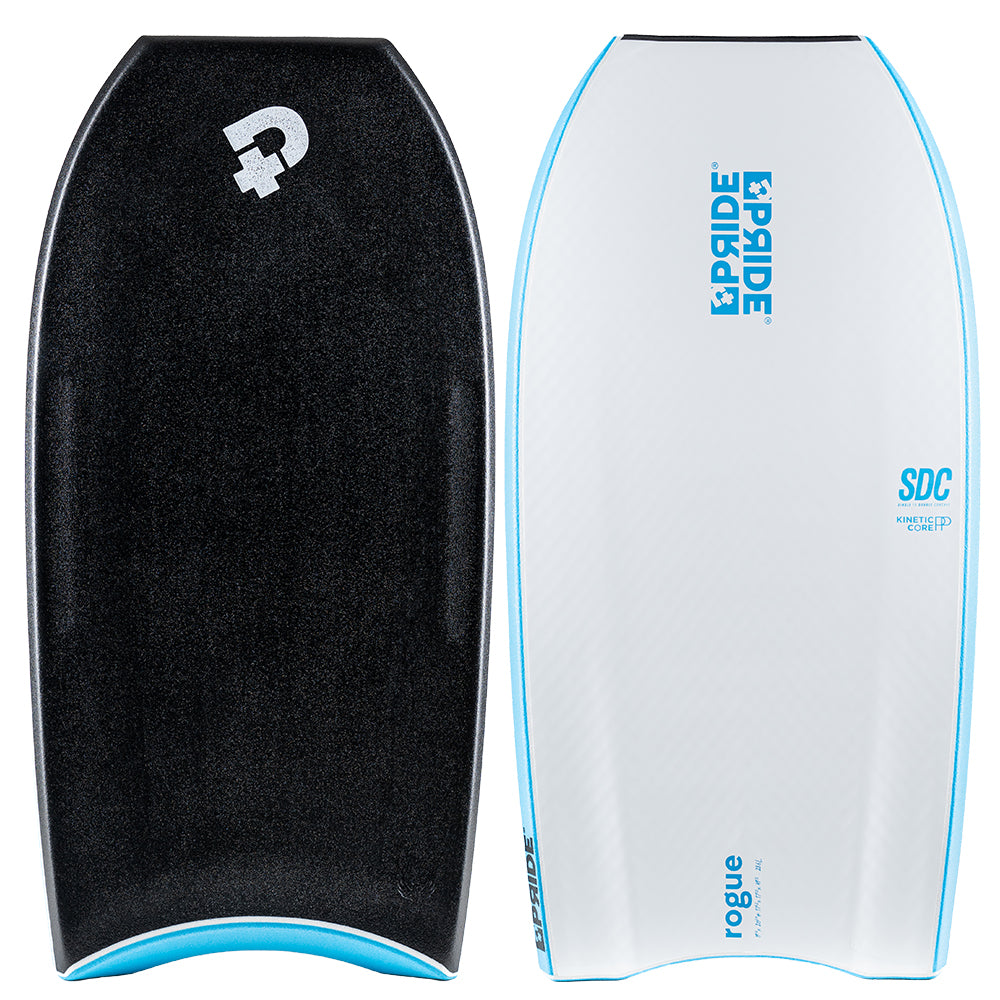
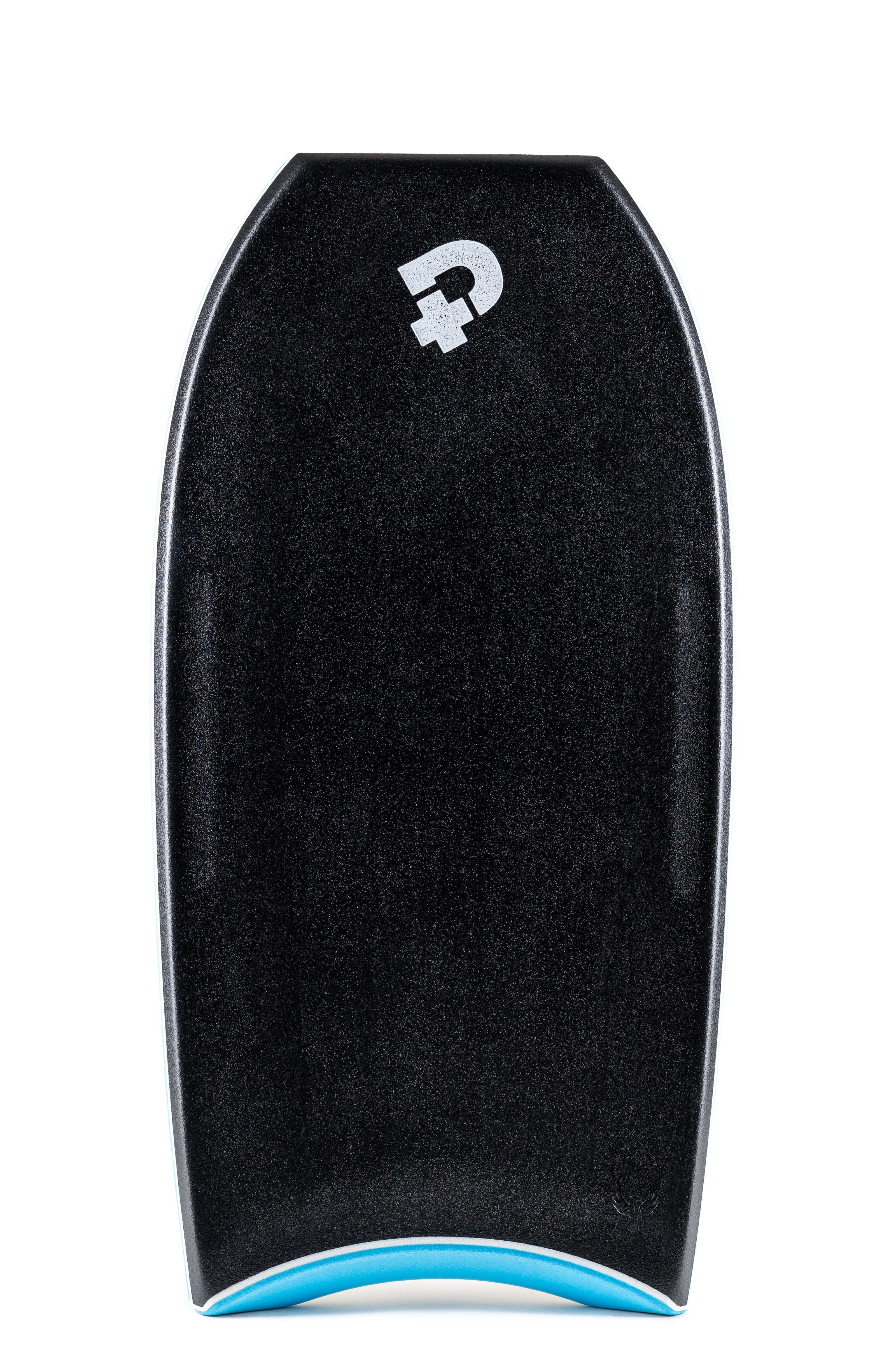
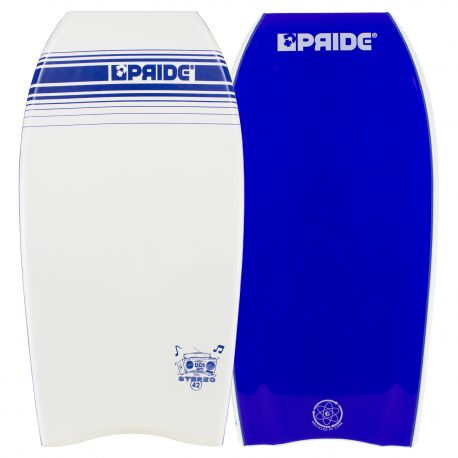
Pride Stereo recycled PE bodyboard. The PE core forgives poor positioning and glides from the whitewater onwards. The right choice to confirm your interest before investing. See the board
Mid-range, NRG+ core
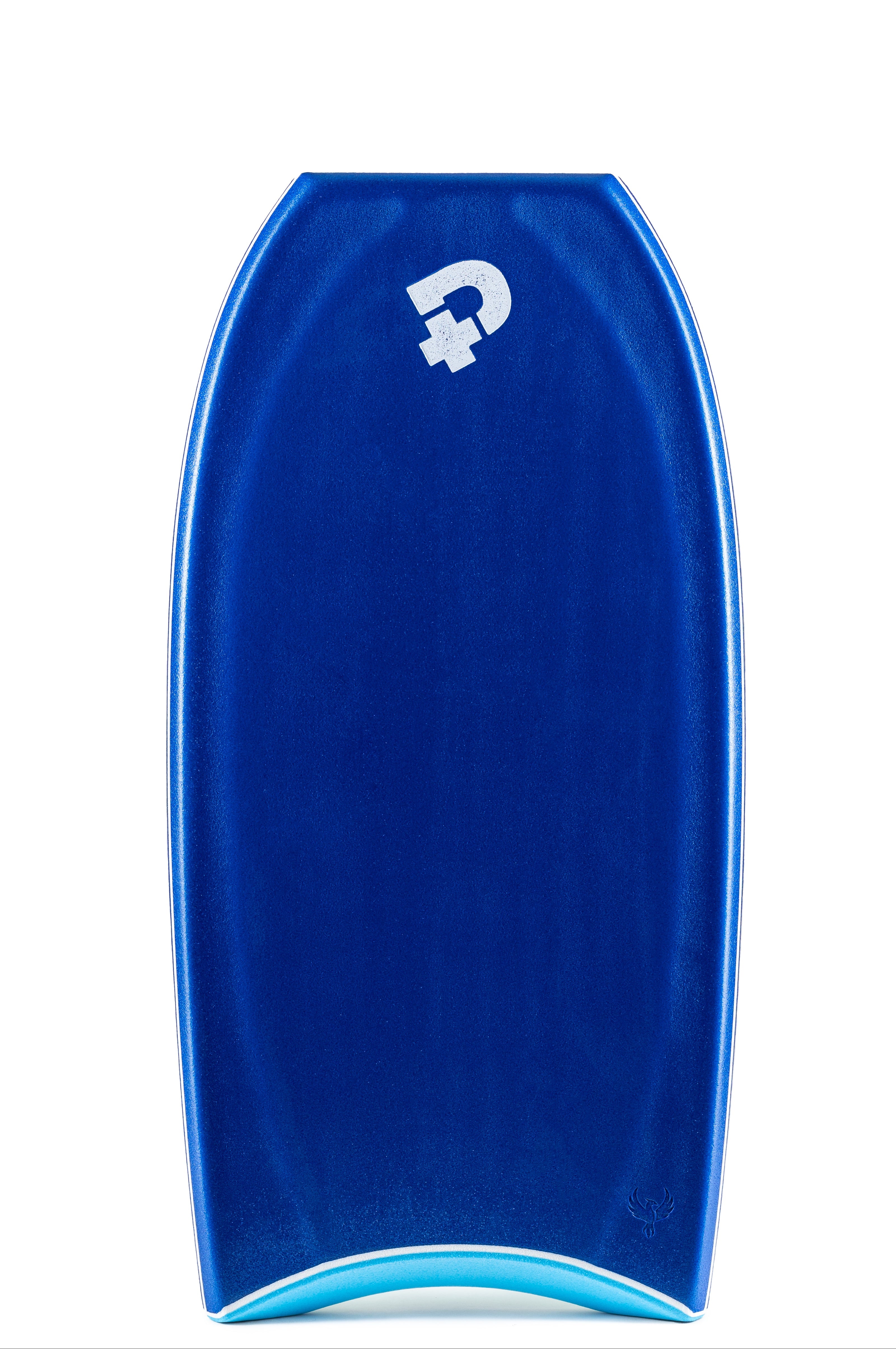
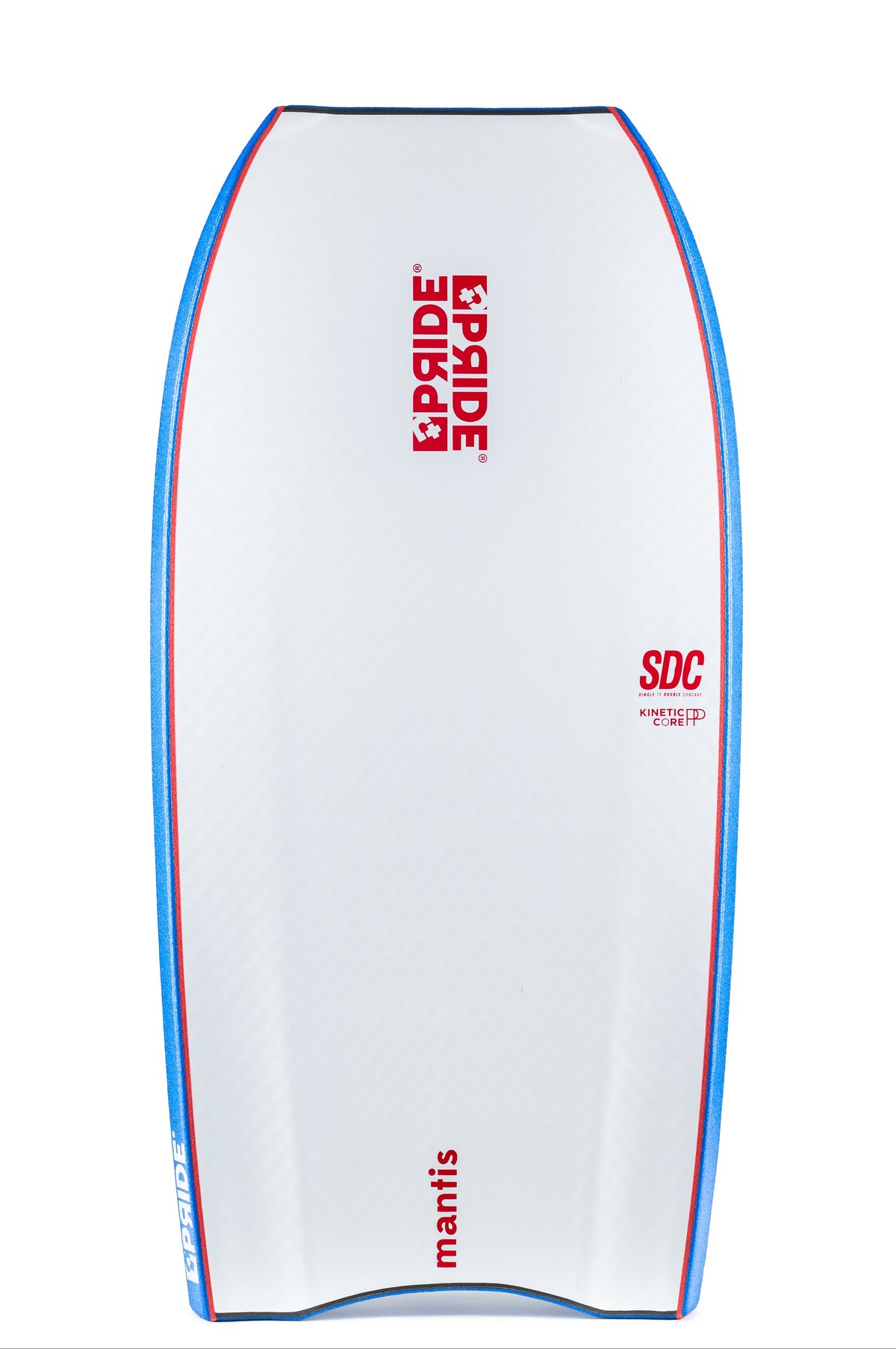
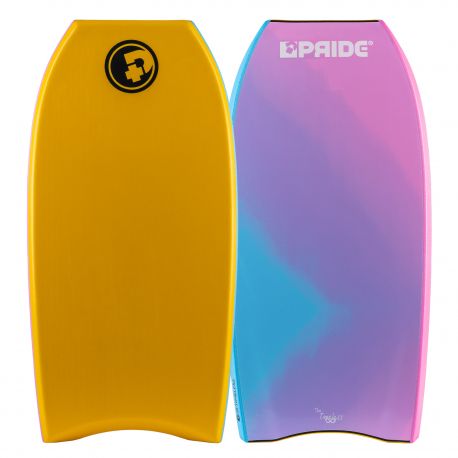
Pride Timeless NRG+ HD bodyboard. The NRG+ adds pop without becoming brittle in cold water. The board for the regular rider who goes out all year round on the Atlantic coast. See our Pride boards
Top of the range, PP core
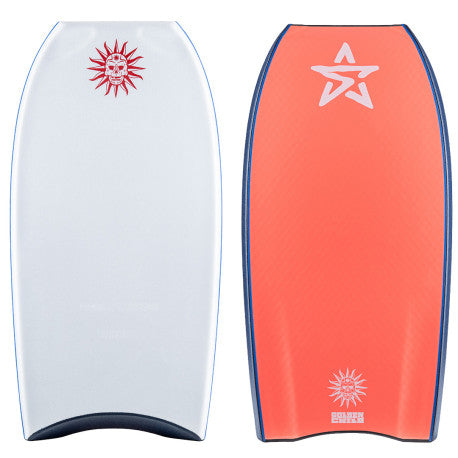
Stealth Golden Child Kinetic PP bodyboard. The PP delivers its full speed in powerful waves and holds its line in the hollow. For the advanced rider who does manoeuvres and wants an immediate response. See our Stealth boards
Which bodyboard brand to choose
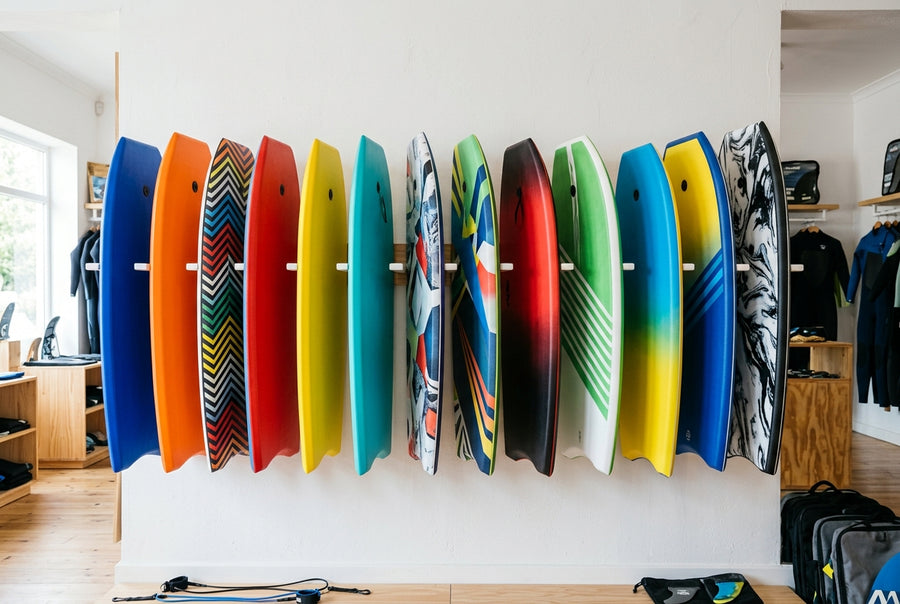
The market is held by a handful of specialist shapers. None is objectively better, they have different philosophies.
One point that often surprises: two boards listed in the same size do not have the same volume depending on the brand, because width and thickness vary. For the same size, always compare these two measurements on the product page.
- Pride covers the whole range with real consistency, from the recycled PE entry level to pro models, and remains the most versatile brand on the shelf.
- NMD and Science lean towards performance, with snappy shapes designed for riders who are already doing manoeuvres.
- Sniper and Versus work on distinctive shapes, appreciated by those who know what they are looking for.
- Stealth and Found offer excellent value for money in the mid-range.
- Morey and Hubboards carry the historic heritage of bodyboarding, with wide models that give plenty of lift.
The accessories to plan for with the board
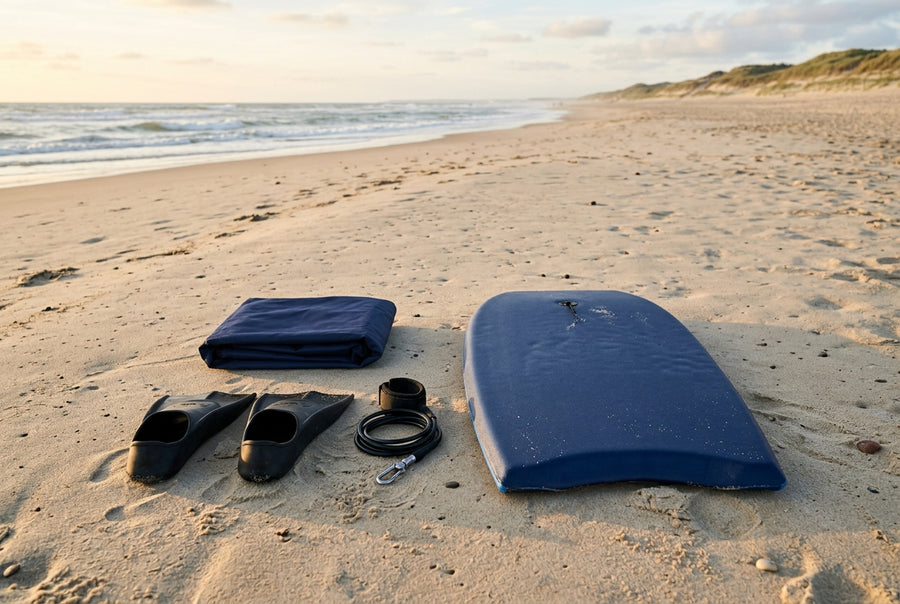
A board on its own is not enough to get in the water in good conditions. Three purchases systematically go with the first one.
- Fins are the real engine in bodyboarding, since you paddle with your legs. Without them, you cannot catch the wave or get back out through the current. The details of the choice are in our guide how to choose your bodyboard fins, and the selection in our bodyboard fins.
- The leash stops you losing the board and seeing it end up on someone else. Wrist or bicep depending on your preference, see our bodyboard leashes.
- The board bag protects from the sun, which damages boards more than rocks do. A board left in full sun delaminates and yellows. See our bodyboard bags.
FAQ, your questions about choosing a bodyboard
Which bodyboard should you choose as a beginner?
To get started, go for a PE core with a single stringer, in a budget of €100 to €180. PE forgives poor positioning, glides well in the whitewater and withstands the knocks of your first sessions. Add half an inch to your theoretical size to gain lift and catch more waves.
What is the difference between a PE core and a PP core?
PE is soft, forgiving and keeps its qualities in cold water. PP is snappy, very responsive and faster, but it hardens below 15 °C and punishes mistakes more. PE suits the beginner and cold water, PP the advanced rider in temperate water.
What is the best bodyboard brand?
There is no best brand in absolute terms. Pride is the most versatile and covers the whole range, NMD and Science aim for performance, Stealth and Found offer the best value for money in the mid-range, Morey and Hubboards offer wide shapes with plenty of lift. The core and the size count far more than the name on the deck.
What size bodyboard should I choose?
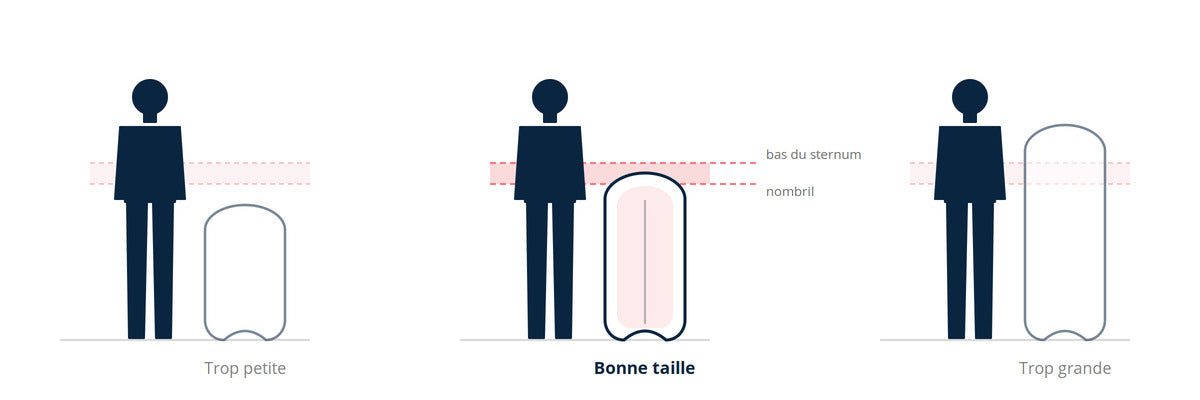
Size is cross-referenced with weight, height and level. Standing upright in front of you, tail on the ground, the board should come up to somewhere between your navel and the bottom of your sternum. This test rules out most mistakes in ten seconds.
The subject deserves more than a paragraph, and it has its own dedicated guide. Find the tables by weight and build, the inch-to-centimetre conversions and the special cases, big build, drop-knee, child, in our bodyboard size guide.
Do you need a stringer in your bodyboard?
Above 70 kg, a single stringer is strongly recommended, and a double stringer becomes relevant from 85 kg or in powerful waves. Below 60 kg and in small conditions, you can do without. Without a stringer, a board twists and loses its spring within one to two seasons.
What budget for a good bodyboard?
Allow €100 to €180 for a decent first board, €150 to €280 for a mid-range board that will last three to five seasons, and €280 to €450 for a pro model. Below €60, you leave bodyboarding gear behind and enter beach-toy territory, which does not let you progress.
The advice a product page cannot replace
A bodyboard is chosen with your hands as much as with your eyes. The thickness of the deck, the stiffness of the rail under thumb pressure, the actual weight of the board: none of that comes across in a photo.
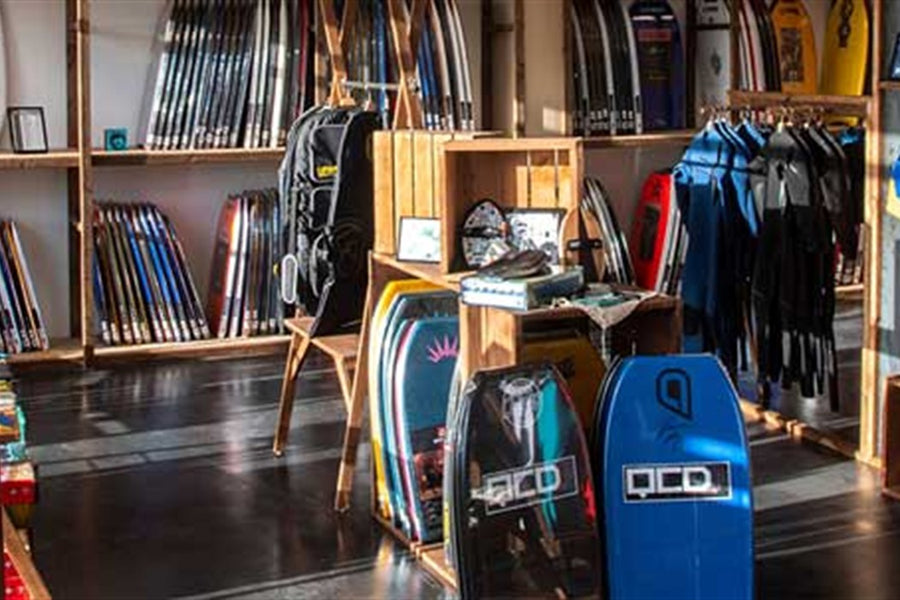
Our shops in Hossegor and Carcavelos exist for that too. The team is made up of riders who ride the Landes spots all year round, winter included, when the question of the core stops being theoretical. We have almost the whole range in stock, and we check the size with you, board in hand, before you buy.
If you order online, put your weight, height and level in the order comments, and we will check everything is consistent before shipping.
Completing your kit: our other guides
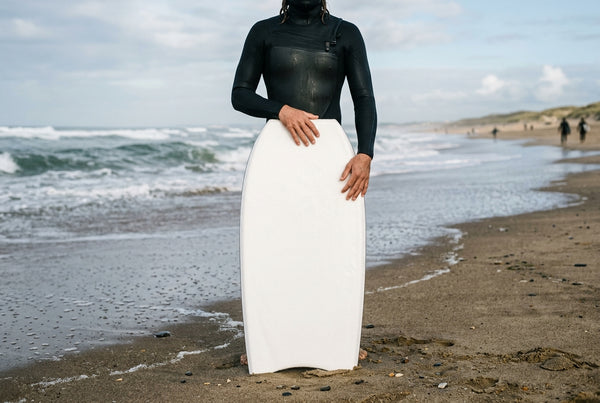
Bodyboard size guide
The navel test, the table by weight and height, conversions in centimetres and a size calculator.
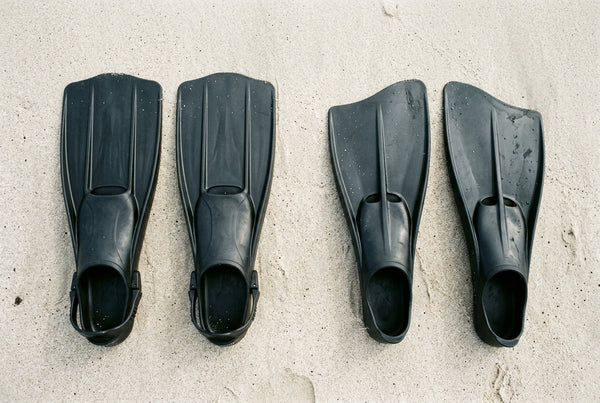
How do you choose your fins?
Symmetrical or asymmetrical, soft or stiff, the DaFin, Orca, Stealth and Vulcan size charts, and a shoe size calculator.
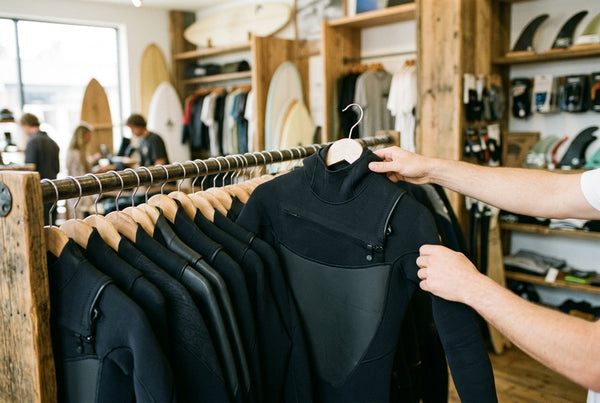
How do you choose your wetsuit?
Neoprene thickness by water temperature, sizing, seams and the finishes that make the difference.
Move on to the selection
Criteria settled? Browse our bodyboards, sorted by brand and by core. To lock in the size, go through the size guide, and to complete your kit, through the fins guide.
See our bodyboards