

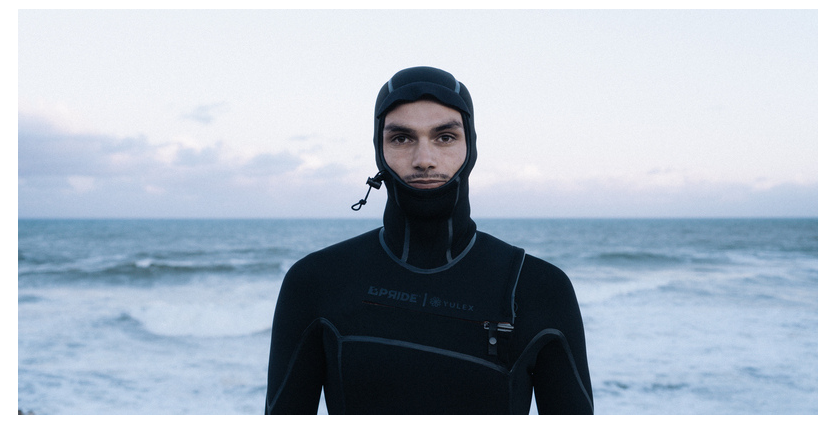
Choosing the Right Winter Gear to Keep Bodyboarding in Cold Water
When winter sets in, bodyboarding requires specific preparation to handle lower water and air temperatures. Having the right equipment ensures comfort, safety and optimal performance even in demanding conditions. Many riders underestimate the importance of winter-specific gear, which can shorten session time or increase risks associated with cold exposure. Before heading into powerful winter swells, it’s essential to understand which items matter most and how to choose them properly. This guide walks you through the key elements needed to enjoy winter sessions with confidence.
Selecting the Right Wetsuit
Choosing an appropriate winter wetsuit is crucial because it forms the first protective layer against the cold. Thicker models such as 4/3, 5/4 or 6/5 are recommended to maintain warmth even when temperatures drop close to freezing. The cut, flexibility and neoprene quality also affect comfort and mobility, which are essential for performing well. It is important to check the seams, thermal linings and the durability of zippers to reduce water entry. A well-fitted winter wetsuit allows longer sessions and helps maintain steady energy levels, even in challenging conditions.
Adapting Your Bodyboard for Cold Water
A bodyboard behaves differently in cold water, which can impact stiffness, speed and overall control. Some core materials perform better in low temperatures, such as polyethylene, while others may become overly rigid and less responsive. Adjusting your board for winter conditions helps maintain ideal flex and maneuverability. Tail shapes, rails and general design also influence performance in heavier winter waves. Choosing a board suited for cold-water riding ensures comfort and maximizes enjoyment during powerful winter swells.
Choosing Fins and Booties
In winter, fins must provide power, comfort and thermal protection, as feet are particularly sensitive to cold. Softer rubber models are often preferred to reduce discomfort, especially when worn with neoprene booties. Booties must be thick enough to insulate while maintaining good sensitivity and fit inside the fins. Their design and support help reduce friction and prevent water infiltration during long sessions. A well-matched fins-and-booties setup ensures efficient propulsion and lasting comfort throughout the winter season.
Useful Winter Accessories
Certain accessories become essential as temperatures drop, significantly enhancing both comfort and safety. Hoods, gloves and thermal layers reduce heat loss and protect exposed areas of the body. Stronger leashes may be necessary to handle the more powerful waves commonly encountered in winter. Cold-water wax also improves grip and prevents slipping during takeoffs. These often overlooked accessories can greatly improve the quality and duration of winter sessions.
Maintaining Your Equipment
Winter maintenance is especially important, as cold and humidity can accelerate wear on your gear. Rinsing your wetsuit, fins and bodyboard with fresh water after each session helps prevent salt buildup and micro-damage. Proper drying in a ventilated area, away from direct sunlight and freezing temperatures, is essential to preserve materials. Taking care of seams, zippers and neoprene extends the lifespan of your equipment. Regular maintenance ensures consistent performance and avoids unpleasant surprises during the peak of the winter season.
Conclusion
Choosing the right winter gear allows you to enjoy cold-water bodyboarding with greater comfort and security. Every item of equipment plays a role, whether in maintaining warmth, improving propulsion or enhancing control in demanding conditions. By adapting and maintaining your gear, you can extend your bodyboarding season and take full advantage of exceptional winter waves. With proper preparation, winter riding becomes not just possible, but truly enjoyable.