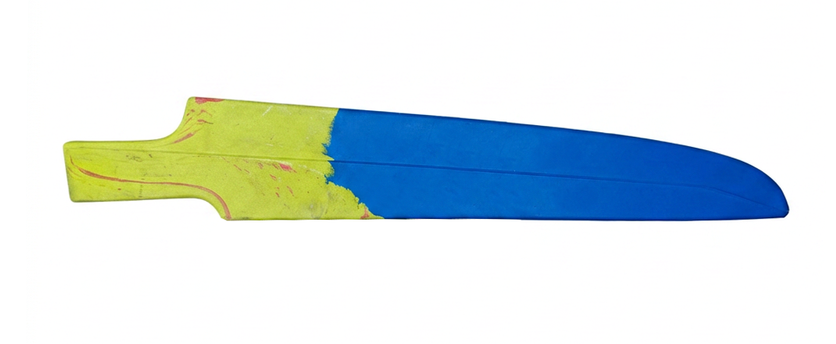
How to choose bodyboard fins?
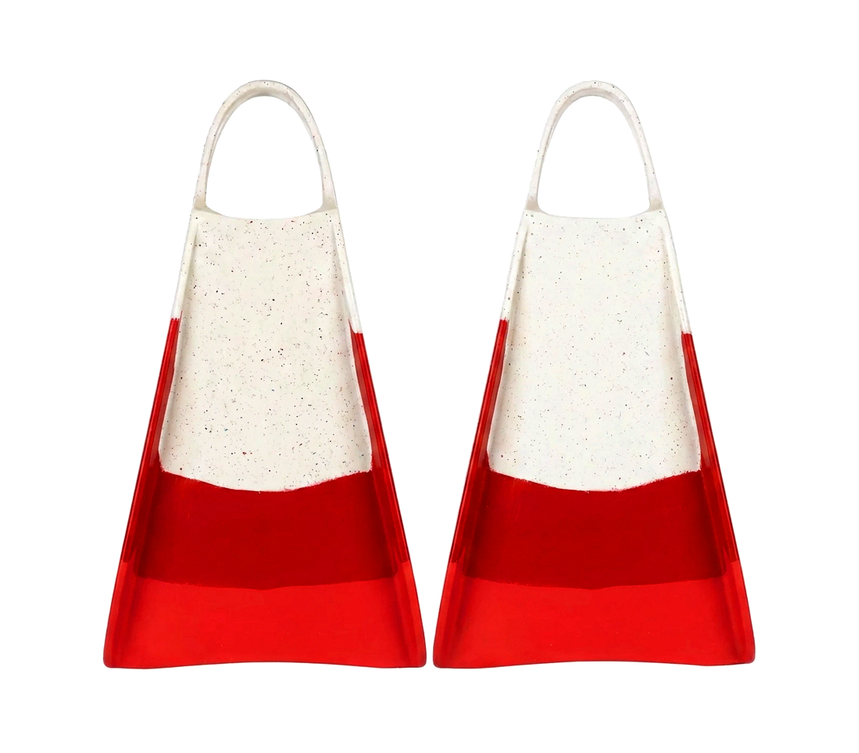
Fins are the most important piece of kit a bodyboarder owns, well ahead of the board itself. Without them, there is no catching waves properly, no getting out the back and no dealing with a dangerous current. They provide your propulsion, your safety and your progress all at once.
Why fins are essential in bodyboarding
In bodyboarding, you paddle with your legs, not your arms. Fins are therefore your only engine in the water.
Propulsion and catching waves. Without fins, catching a wave becomes very difficult. With good fins, you accelerate quickly to get into the wave, get out the back more easily and reach more interesting peaks.
Safety. This is the most important argument. In a current (baïne, rip current), fins let you paddle hard to get yourself out of it. Losing your fins in difficult conditions can become dangerous.
Level and progress. The difference between riding with and without fins is radical. With good fins suited to your level, you progress faster, you stay in the water longer and you have more fun.
Types of fins: how to find your way around
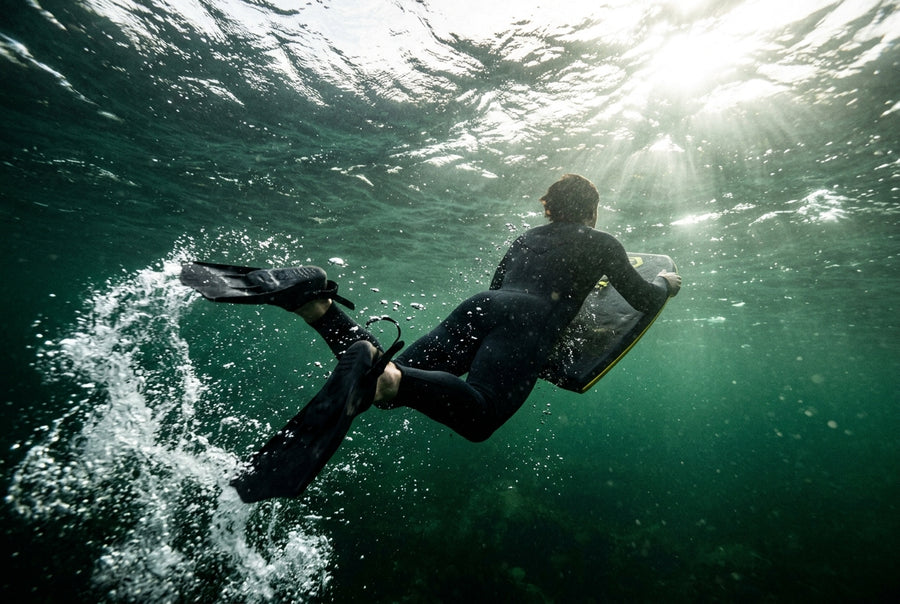
There are two main families of bodyboard fins: symmetrical fins and asymmetrical fins. Symmetrical fins, the more classic option, offer a balanced feel and can suit different kinds of riding, particularly for beginners or occasional riders. Asymmetrical fins, on the other hand, are specifically designed to follow the natural movement of the kick, which improves propulsion and control in the waves. They are now widely used by bodyboarders, particularly for their efficiency on the take-off and when getting going again. The choice between these two types will therefore depend on your level, your riding style and your goals in the water.
Symmetrical bodyboard fins
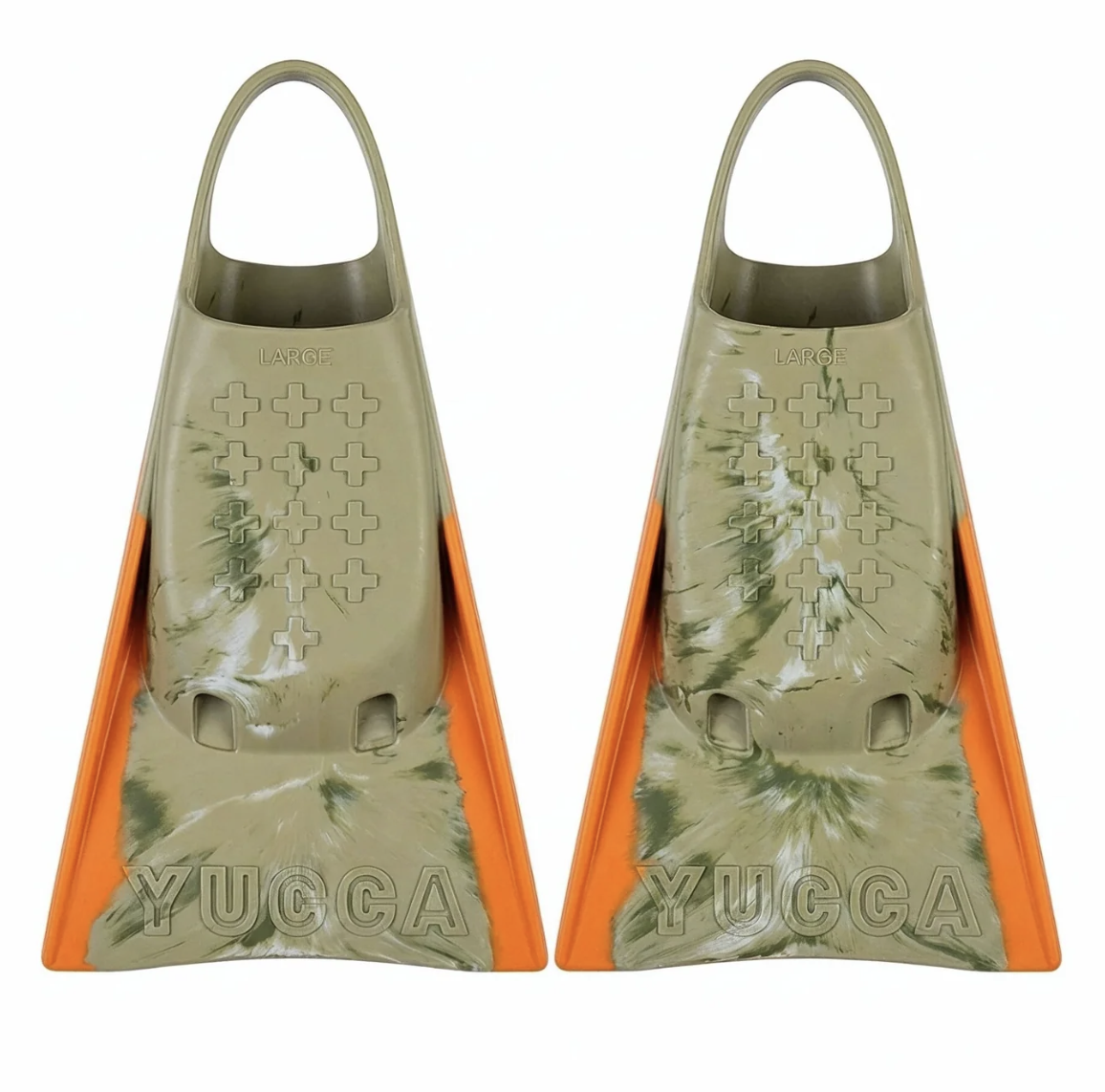
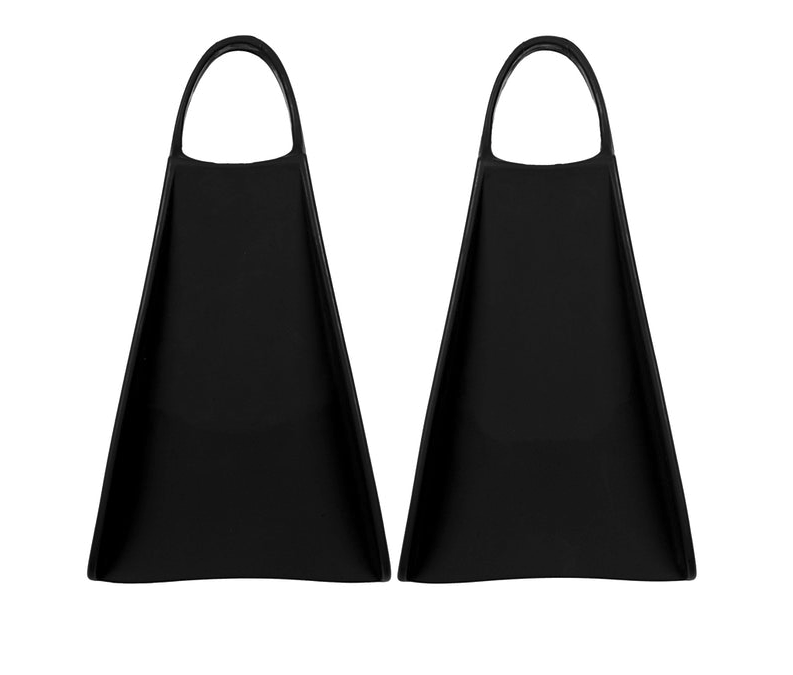
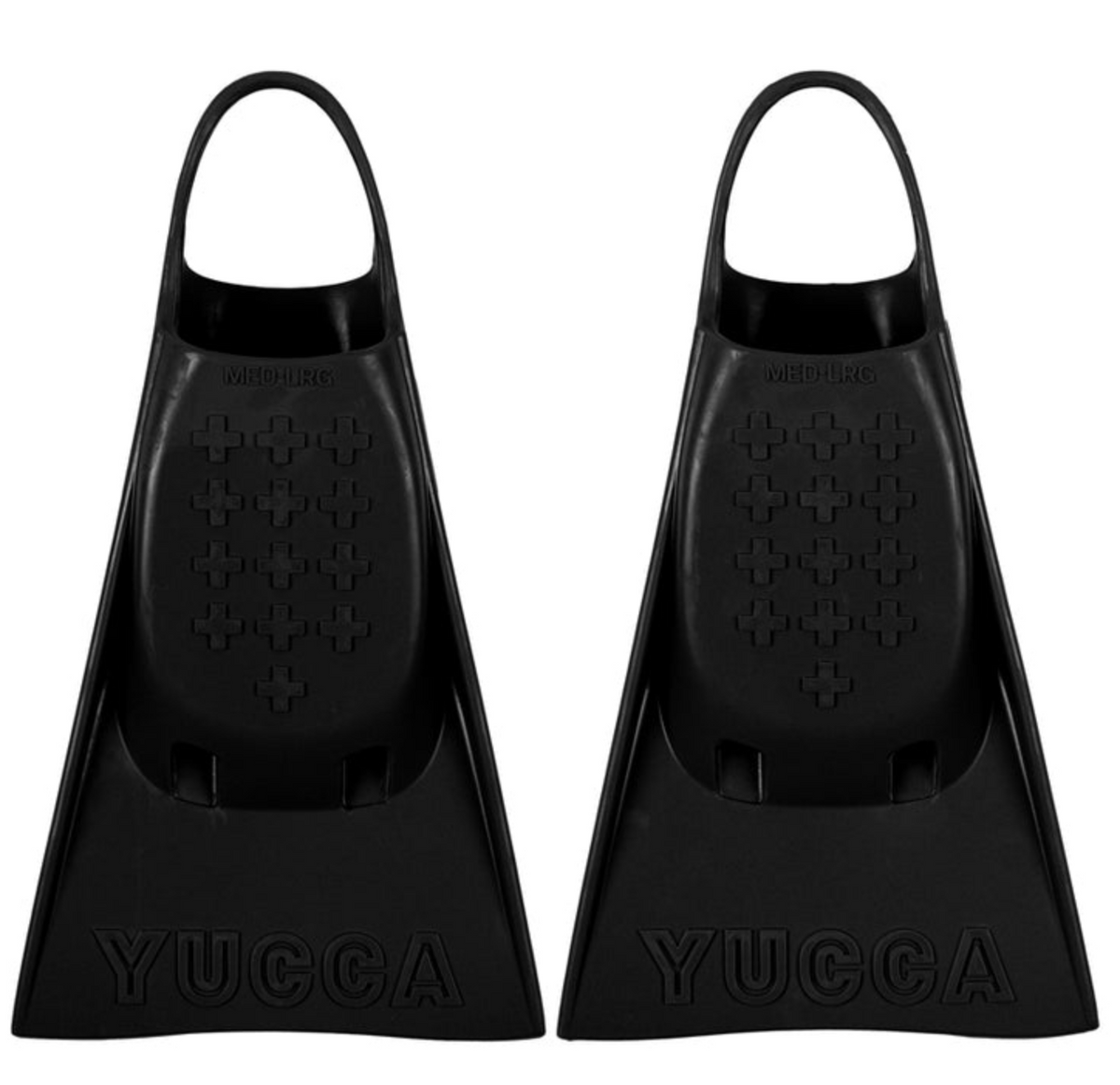
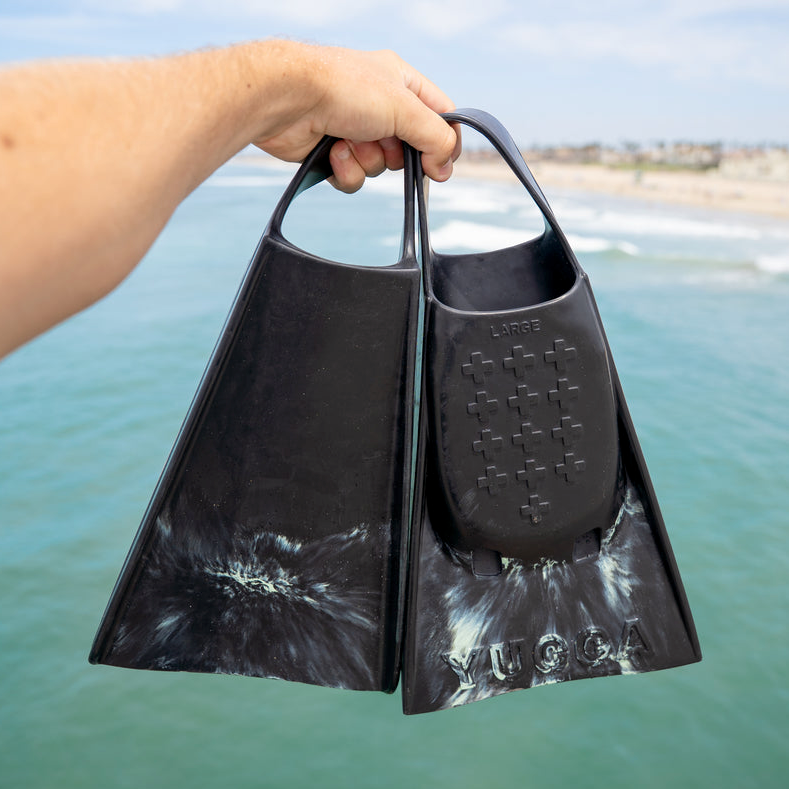
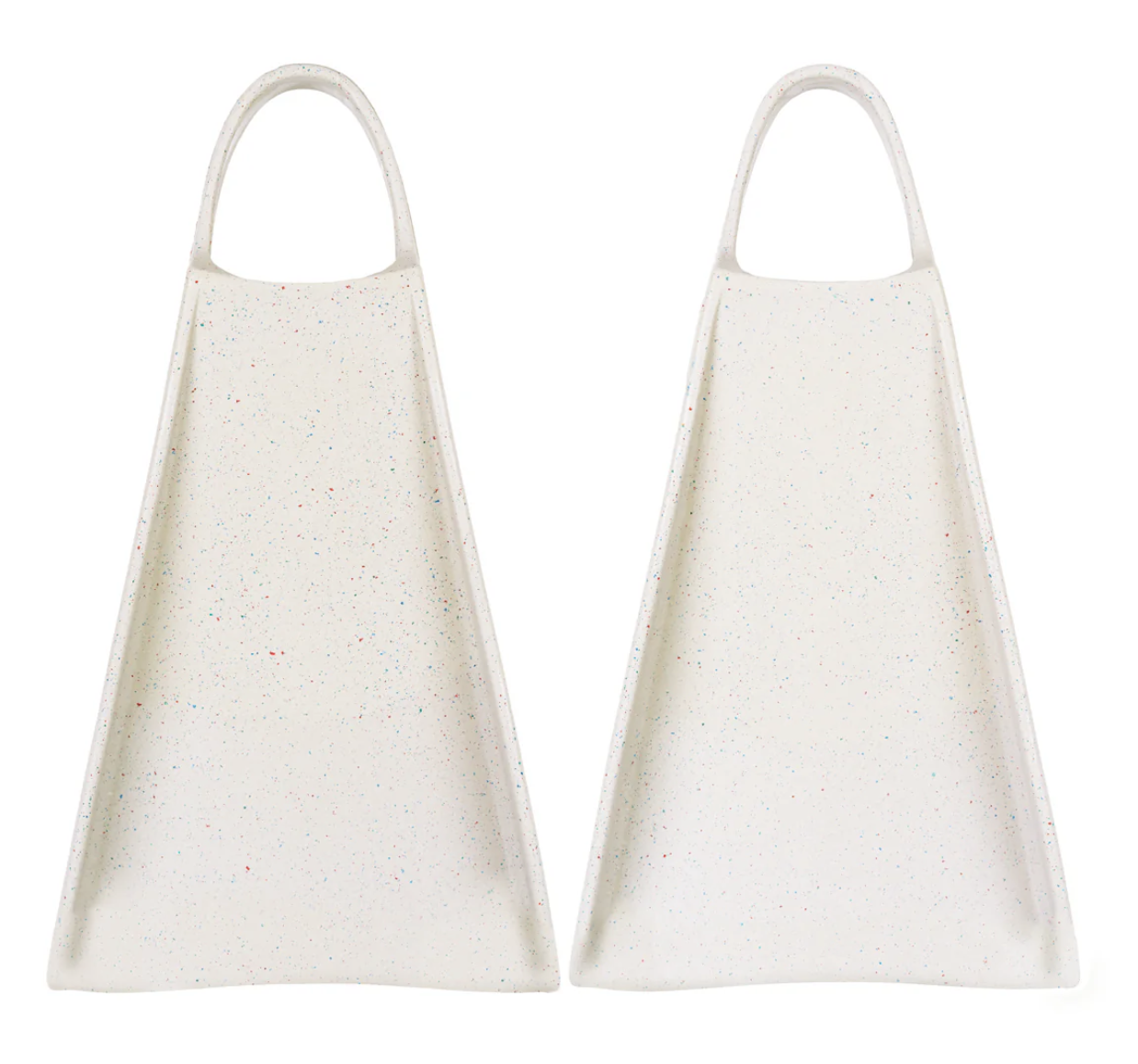
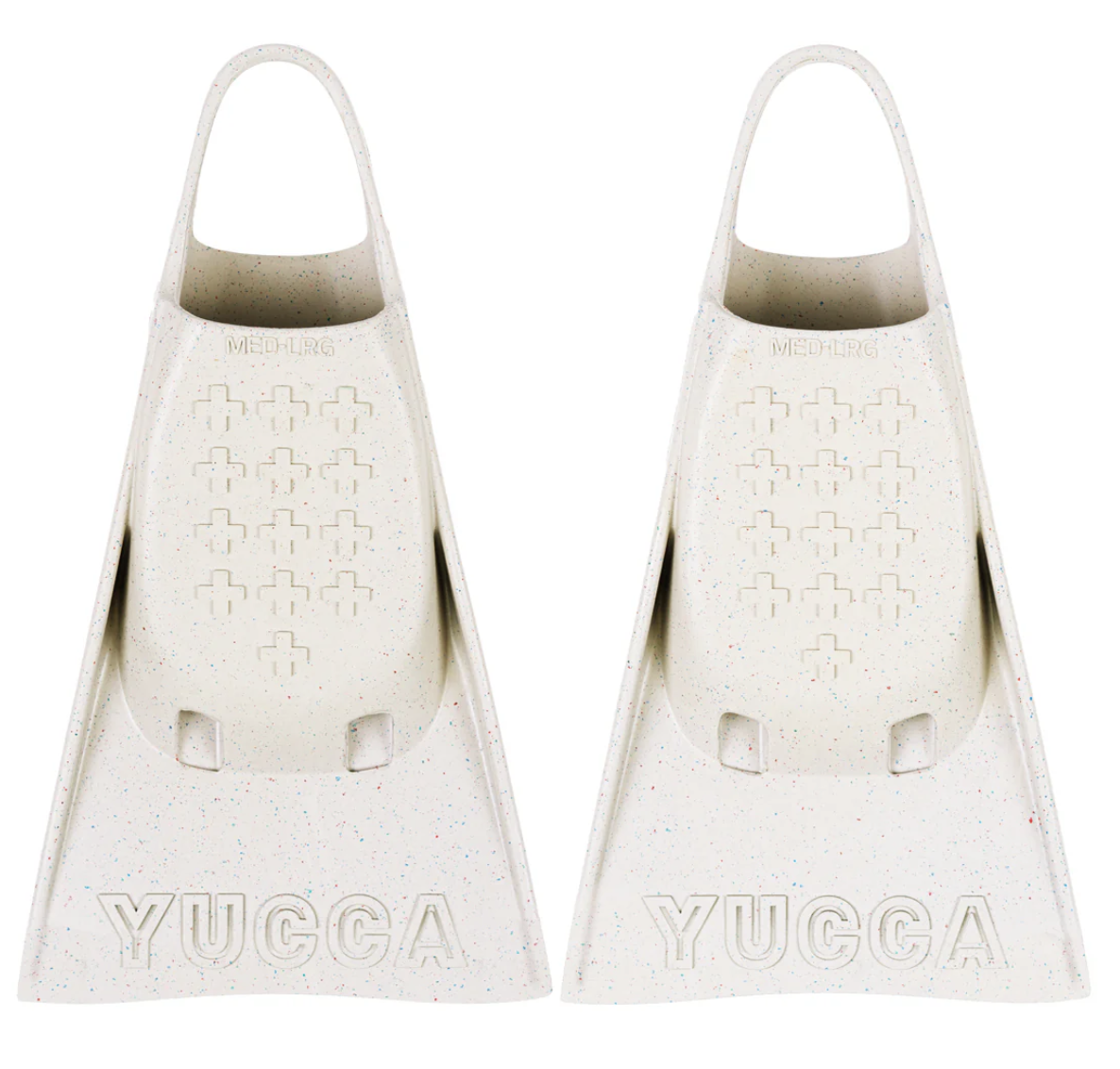
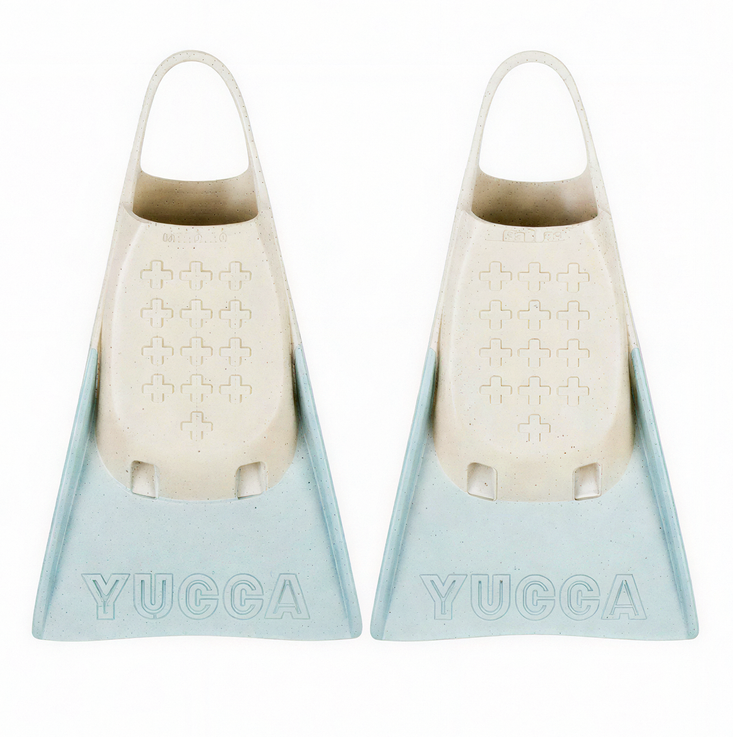
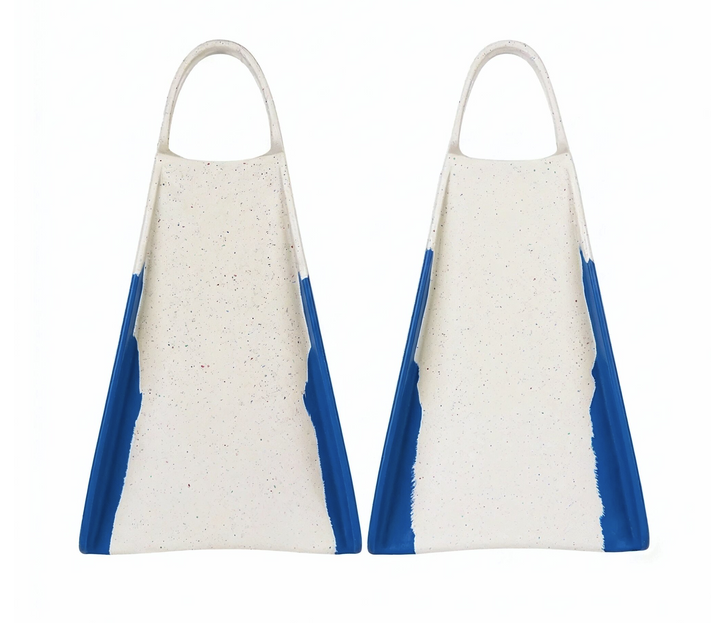
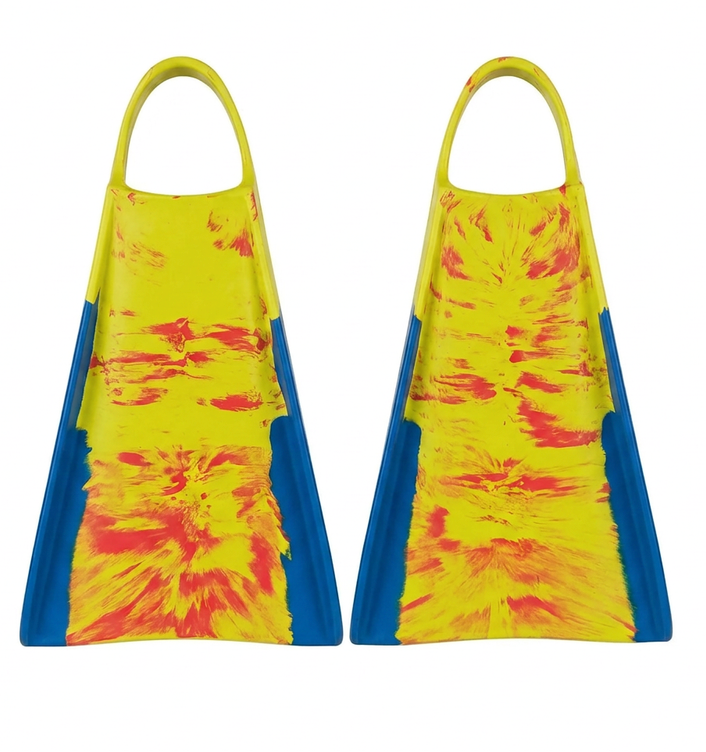
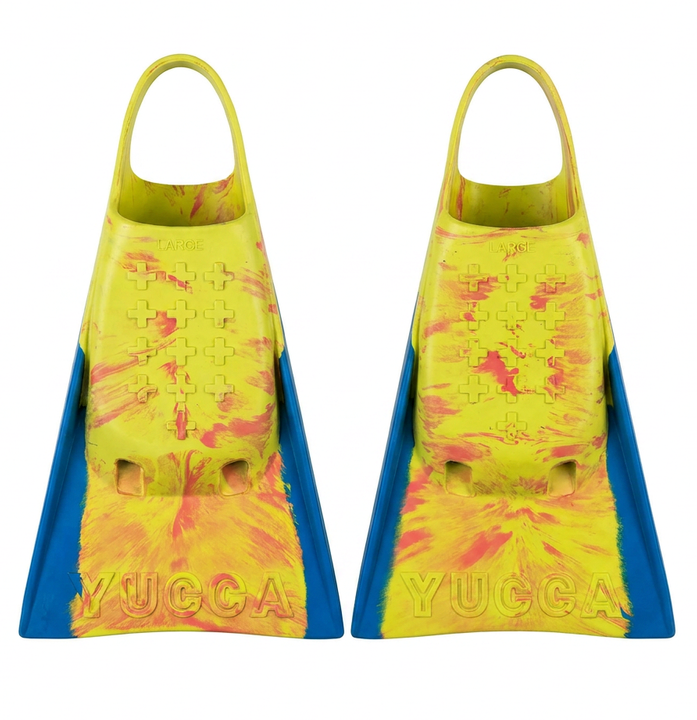
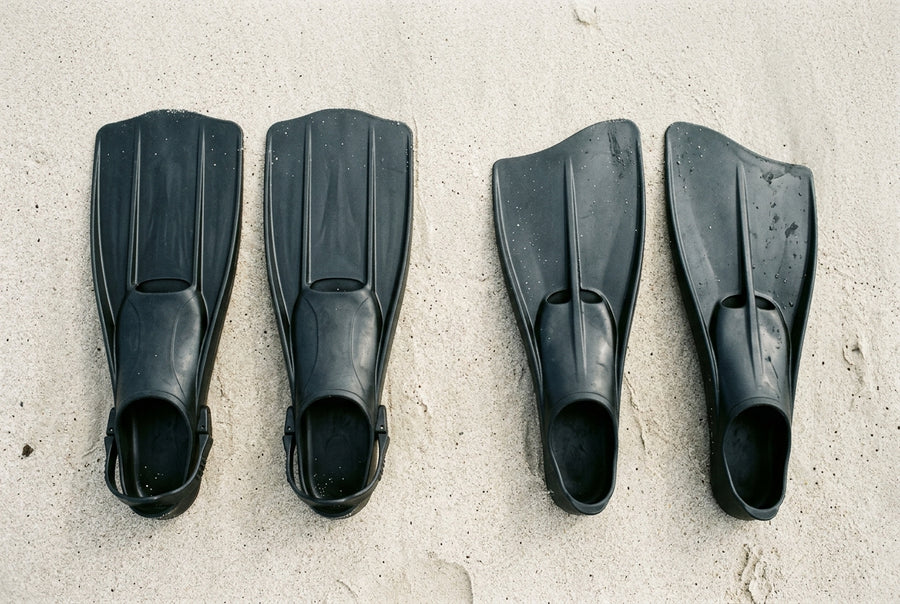
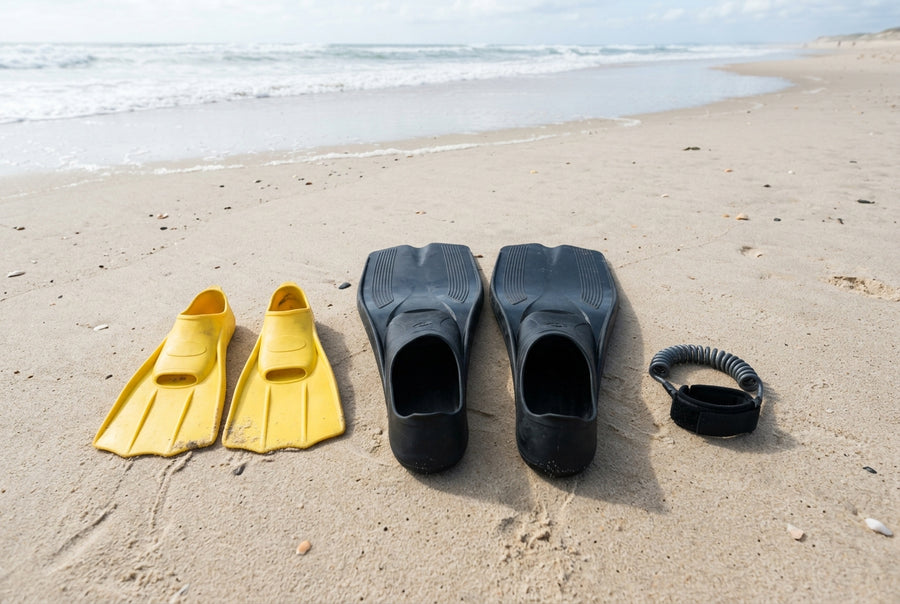
Symmetrical fins have the same shape for the left foot and the right foot. They are interchangeable: no need to work out which fin goes on which foot.
Asymmetrical bodyboard fins
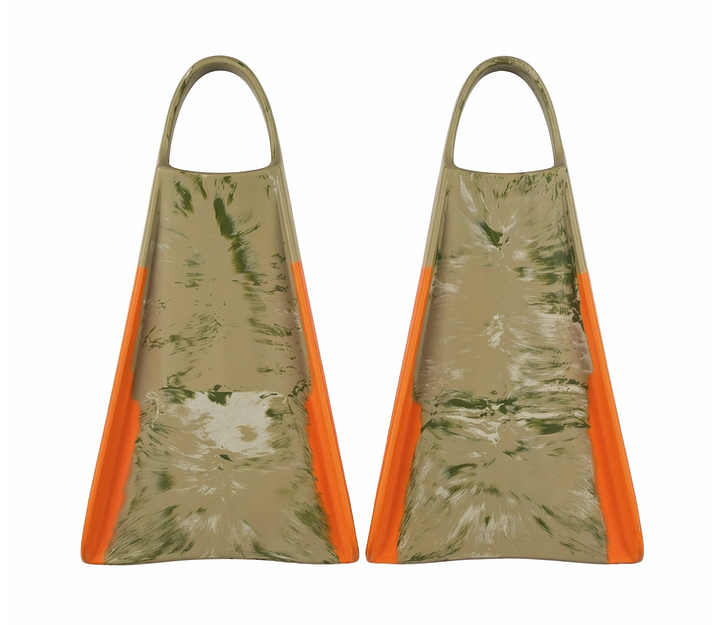
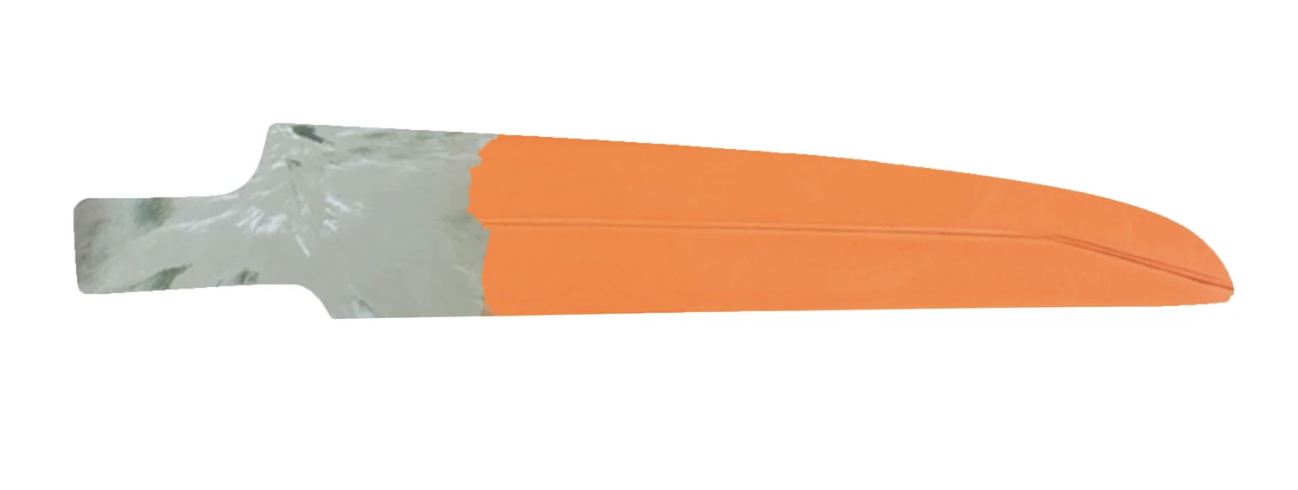
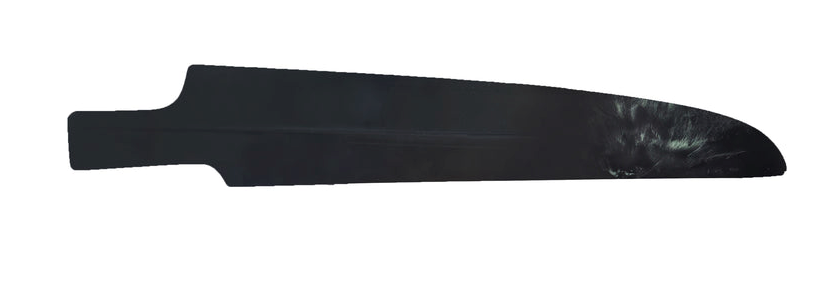
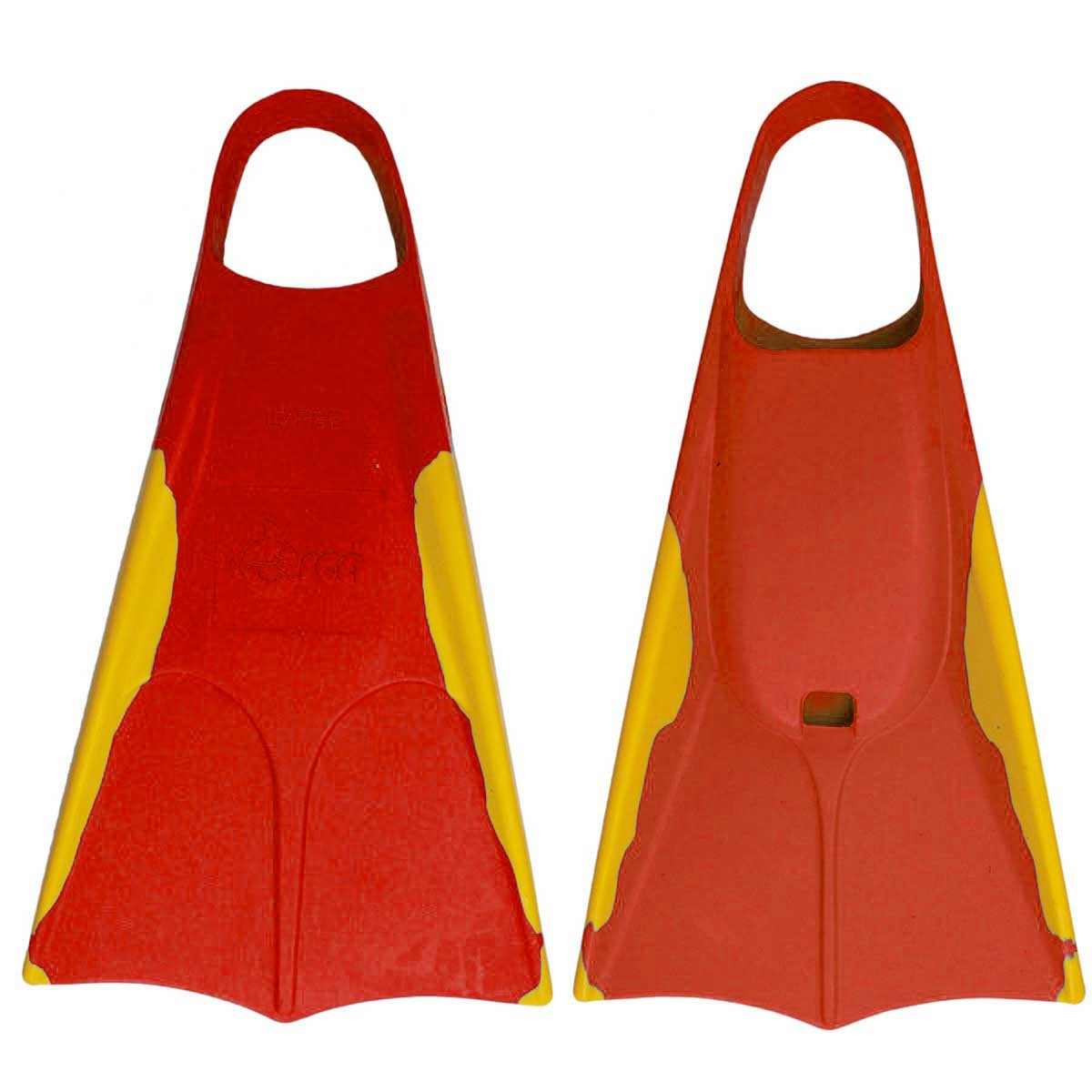
Asymmetrical fins are different for each foot: they reproduce the shape of a dolphin's fin with a rib that stiffens the blade. They offer better grip in the wave and more powerful propulsion.
| Criterion | Symmetrical fins | Asymmetrical fins |
|---|---|---|
| Who for | Beginners, occasional riders, riders who also bodysurf | Intermediate to expert riders, regular riders |
| Advantages | Easy to use, versatile (bodyboard + bodysurf), comfortable for long sessions | Better efficiency and paddling power, excellent grip on the face, used by all the pros |
| Drawbacks | Less power and efficiency, less suited to high-level prone | Demand more muscular effort, less versatile for bodysurfing |
Soft or stiff fins: foot pocket and blade stiffness
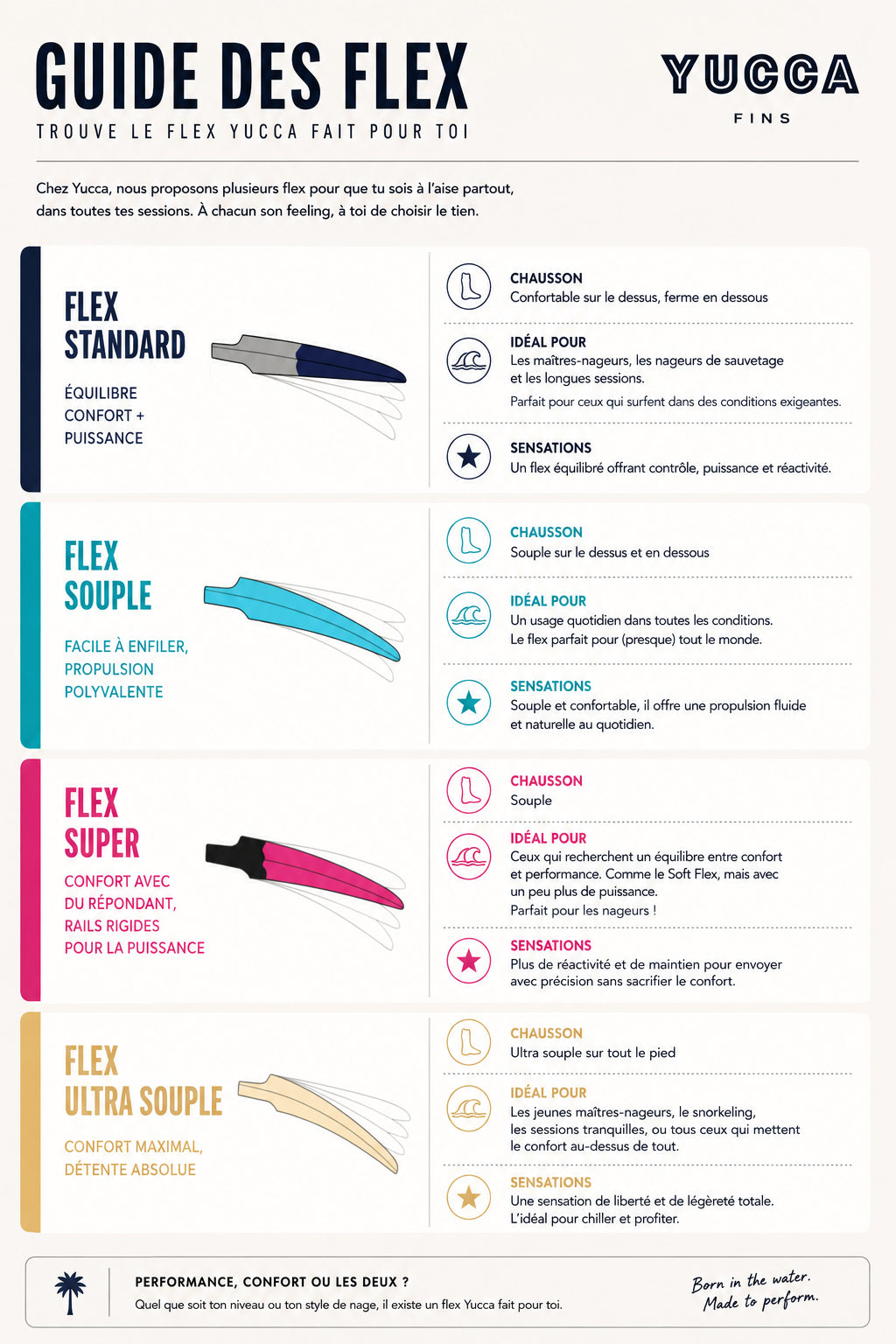
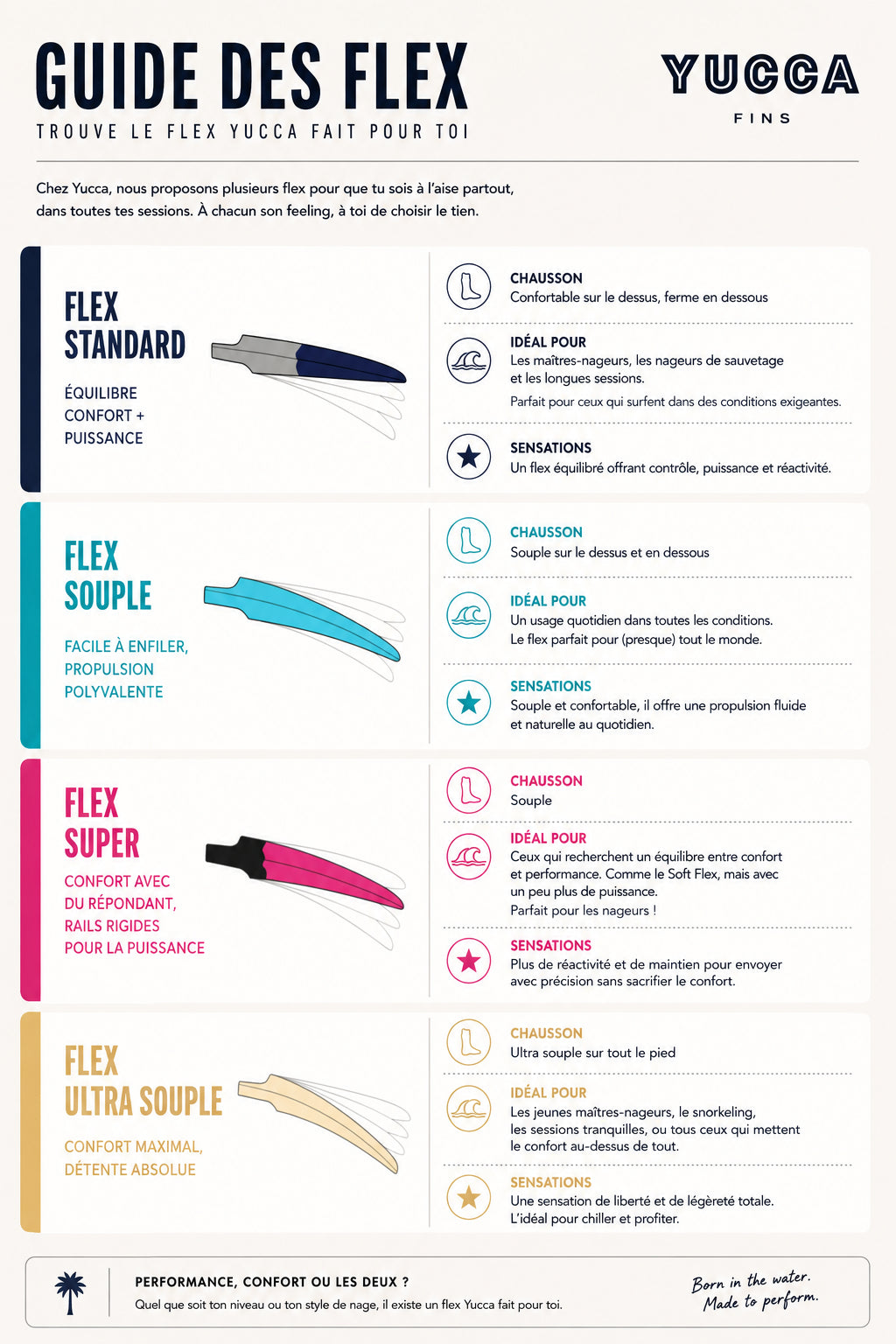
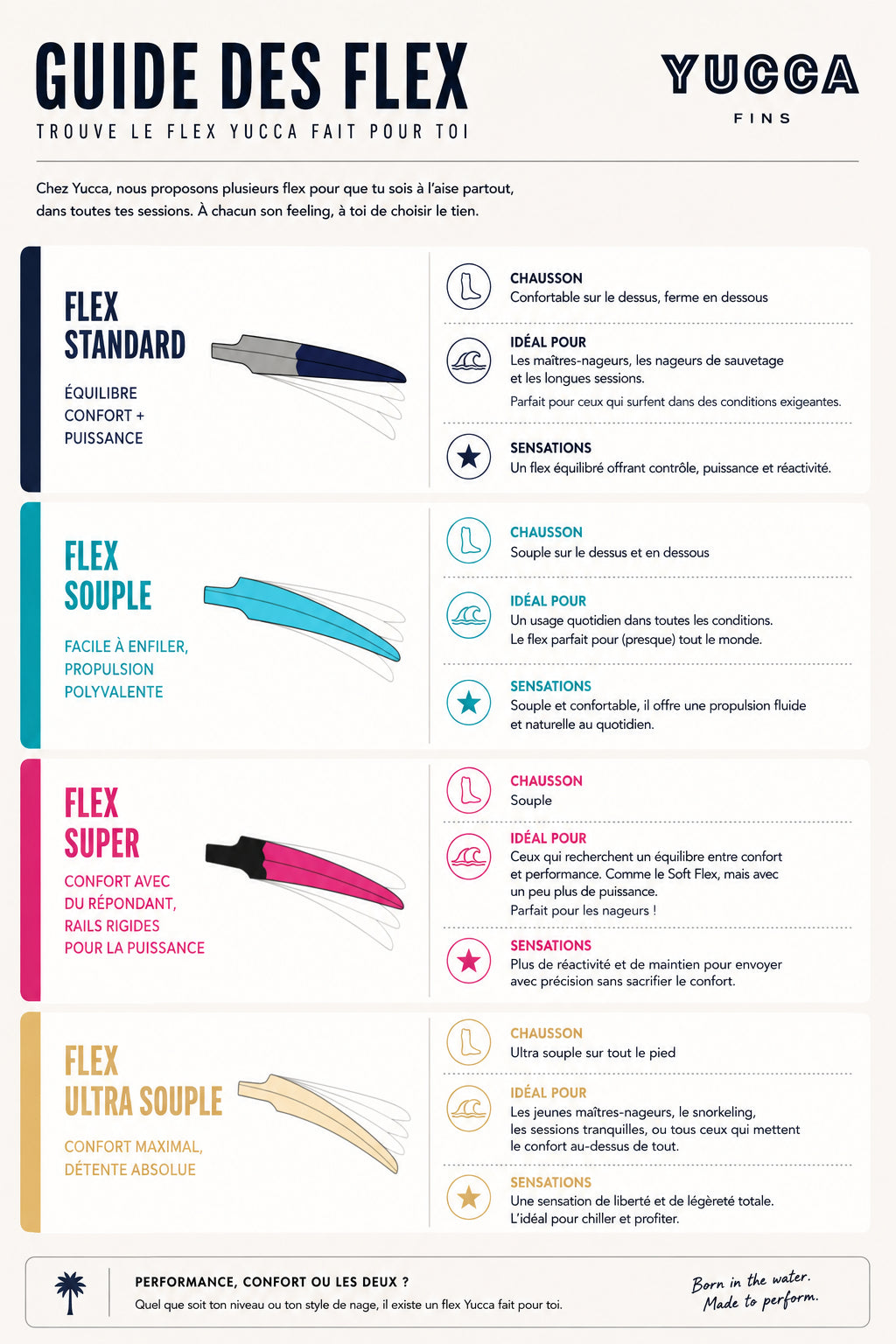
When choosing fins, you need to take into account the use, the stiffness of the foot pocket and that of the blade. The stiffer the fins, the more power they give you when accelerating. On the other hand, that means a bit more effort and a slightly higher level of fitness.
Practical advice: if you are a beginner or ride less than once a week, start with soft fins. You will avoid cramps and get more out of your sessions. Stiff fins come into their own once your legs are used to the effort of kicking.
| Criterion | Soft fins | Stiff fins |
|---|---|---|
| Who for | Beginners, occasional riders | Advanced, experts |
| Advantage | Comfort, endurance, fewer cramps | Power, acceleration |
| Drawback | Less explosive propulsion | Less comfortable, more tiring |
| Conditions | Soft waves, mellow sessions | Powerful waves, heavy spots |
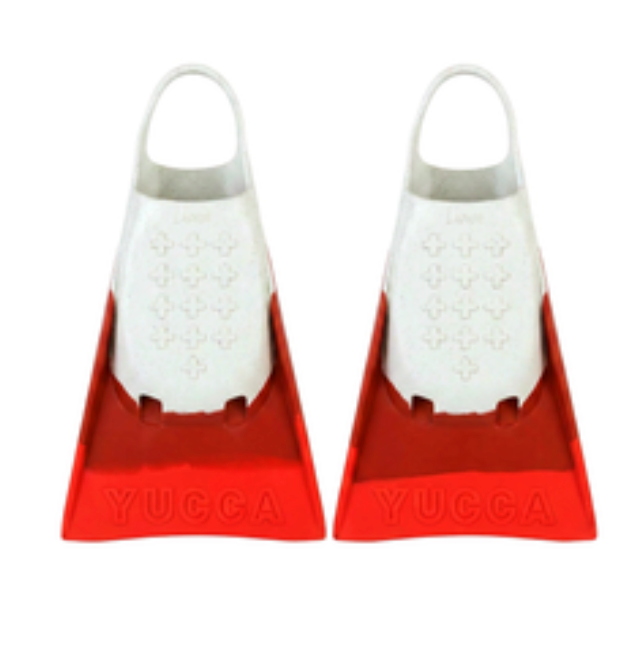
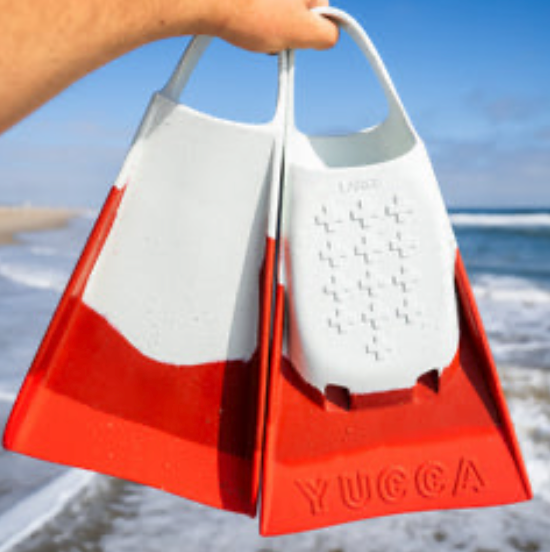
| Brands | Yucca, Churchill, Vulcan V1 | DaFin, Stealth, Vulcan V2/V3 |
Advice from Jeremy Arnoux, Bodyboard Center rider
“I use fairly soft fins for long sessions that are going to call for endurance. In competition, or when the conditions are bigger, I use stiffer fins.”
Which fin size to choose
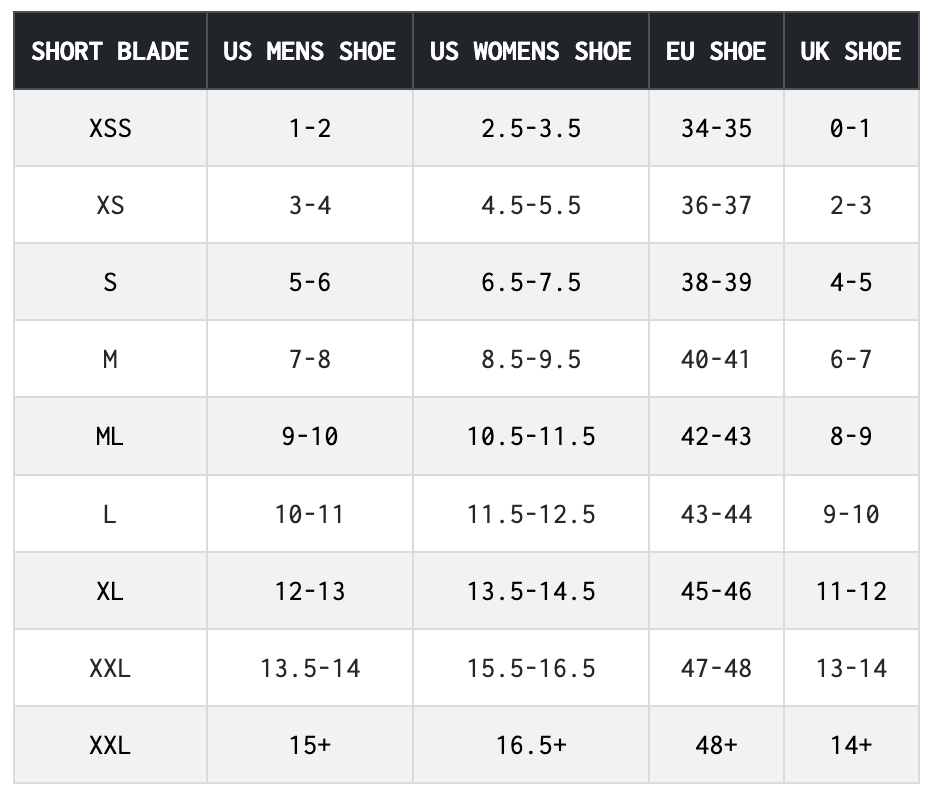
Start from your usual shoe size: the fin should hold firmly without squeezing the foot, heel well seated, toes with no pressure. There are bodyboarding boots that will let you withstand the cold and chafing depending on the season. Be aware that you may need to go up a size when using boots. If you are on the borderline between two sizes, lean towards the larger one for use with boots.
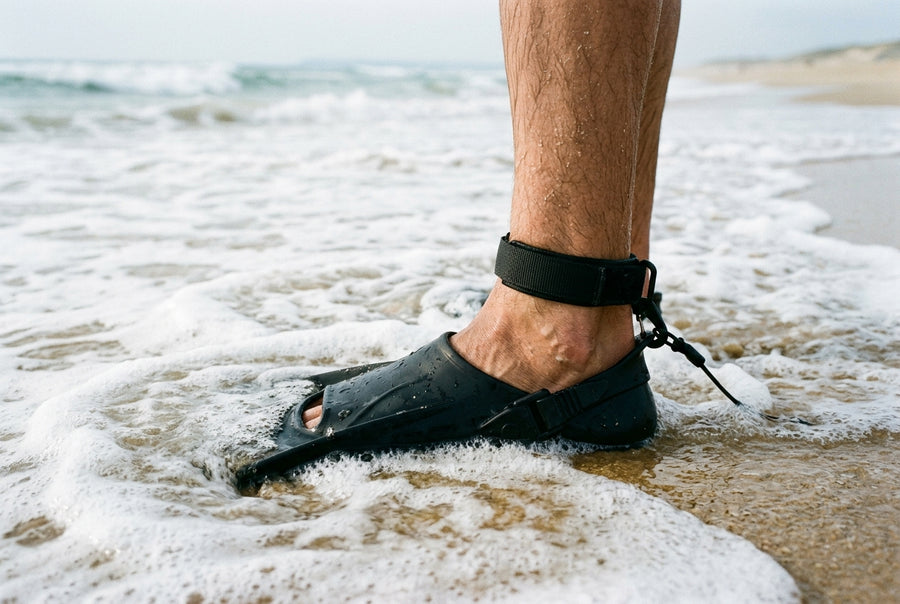
There are different types of fin savers to stop you losing your bodyboard fins. The simplest are laces. There is also a velcro fin saver system. More recently, Fin Saver Straps were invented. These keep the fin on your foot in all circumstances while making the heel tab more comfortable.
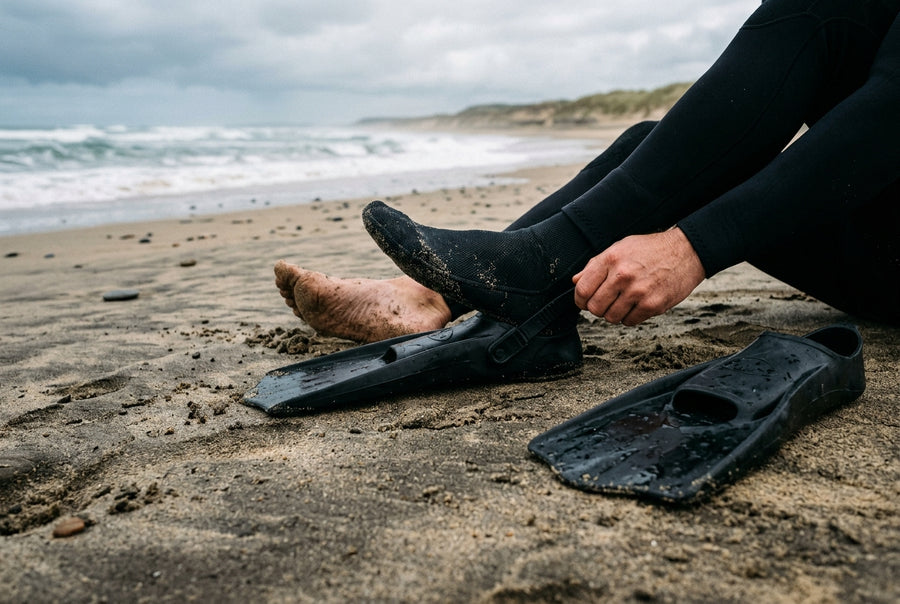
DaFin size chart
| Fin size | EU size | US size |
|---|---|---|
| XXS | 35/36 | 1/2 |
| XS | 37/38 | 3/4 |
| SM | 39/41 | 5/6 |
| MD | 42/43 | 7/8 |
| ML | 44/45 | 9/10 |
| LG | 46/47 | 11/12 |
| XL | 48/49 | 13/14 |
| XXL | 49 | 15/16 |
Orca size chart
| Fin size | EU size | US size |
|---|---|---|
| S | 36/38 | 4/6 |
| M | 38/41 | 6/8 |
| L | 41/43 | 8/10 |
| XL | 44/46 | 10/12 |
Stealth size chart
| Fin size | EU size | US size |
|---|---|---|
| S | 35.5/38 | 4.5/6 |
| MS | 37.5/40 | 5.5/7.5 |
| M | 39/42 | 7/8.5 |
| ML | 43/44 | 9/10.5 |
| L | 45/46.5 | 11/12.5 |
Vulcan size chart
| Fin size | EU size | US size |
|---|---|---|
| S | 35.5/38 | 4.5/7.5 |
| M | 39/42 | 7/8.5 |
| ML | 43/44 | 9.5/10 |
| L | 45/46.5 | 11/12.5 |
Sizes vary between brands, always check the official chart for the model.
Find your fin size
Your shoe size, the brand you like, with or without neoprene socks: the size to order.
The essential accessories
Neoprene socks are strongly recommended, summer and winter alike. If you wear them, take a fin size above your usual shoe size.
The fin leash is an essential safety accessory. A powerful wave can rip your fin off in an instant, and losing a fin out the back is both dangerous and expensive. It attaches to your ankle and holds on to the fin if it comes off. It comes as a cord or a strap depending on the model. Browse our selection of fin leashes and neoprene socks to complete your kit.
- In winter: socks keep your feet warm and extend your sessions
- In summer: they protect against chafing and blisters caused by rubbing
- All year round: they improve overall comfort and let you stay in the water longer
Which bodyboard fin brand to choose
The bodyboard fin market is held by a handful of specialist manufacturers, each with its own shape philosophy. Here is what really sets them apart in the water.
One question comes up often in the shop: are the fins sold in big sports superstores any good? They will do for a first try, but the foot pocket loses its shape quickly and the blade lacks spring. Over a full season, a specialist pair works out cheaper than replacing them every year.
- DaFin bodyboard fins remain the benchmark for comfort, with a soft foot pocket that forgives long sessions and a versatile symmetrical blade. It is the safest choice when you are undecided.
- Churchill fins established the asymmetrical blade and keep a special place among bodysurfers. A short, snappy paddle, appreciated on shorebreaks.
- Stealth offers bodyboard fins with a good snap-to-price ratio, with a firmer foot pocket that takes a little getting used to but holds up well over time.
- Orca fins are the best compromise for starting out without breaking the bank, soft, light and easy to slip on.
- Viper and POD are aimed at advanced riders, with stiff blades designed for acceleration in hollow waves.
- NMD and Sniper round out the range on the performance segment, often chosen by those who ride drop-knee.

The shop-floor reflex
| Your profile | The brand |
|---|---|
| Undecided | DaFin |
| Tight budget | Orca |
| Bodysurf | Churchill |
| Advanced | Viper, POD |
| Drop-knee | NMD, Sniper |
Bodyboard fins for children
A child does not need the same fins as an adult, and the most common mistake is buying them a pair that is too big on the assumption that they will grow into it.
Children's sizes generally start at 30/32 depending on the brand. Below that, it is better to wait: a badly fitted fin puts a child off the sport faster than it helps them progress.
- A bodyboard fin that is too big for a child is counter-productive: it comes off constantly, tires the ankles and causes blisters from the very first session.
- Go for a soft, short fin for young riders, which needs little strength and lets the kick develop naturally.
- The fin leash is even more important for a child, who does not have the reflex to grab a fin that has gone off in the whitewater.
Putting on, taking off and looking after your bodyboard fins
These steps seem obvious, yet they explain half of the damaged pairs we see come through the workshop.
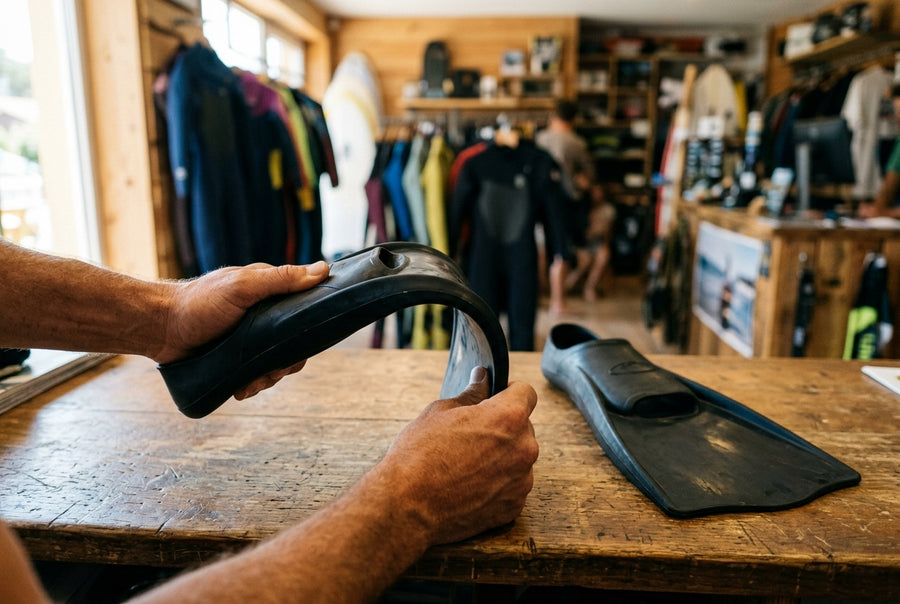
How to put your fins on without deforming them. Always wet the foot pocket before slipping the fin on, the water acts as a natural lubricant. Put your toes in first, then roll the heel on by pulling on the heel tab, never on the side edges. Pulling on the sides of the foot pocket is the main cause of a bodyboard fin tearing, well ahead of natural wear. To take them off, same logic in reverse: free the heel first, never by pulling on the blade.
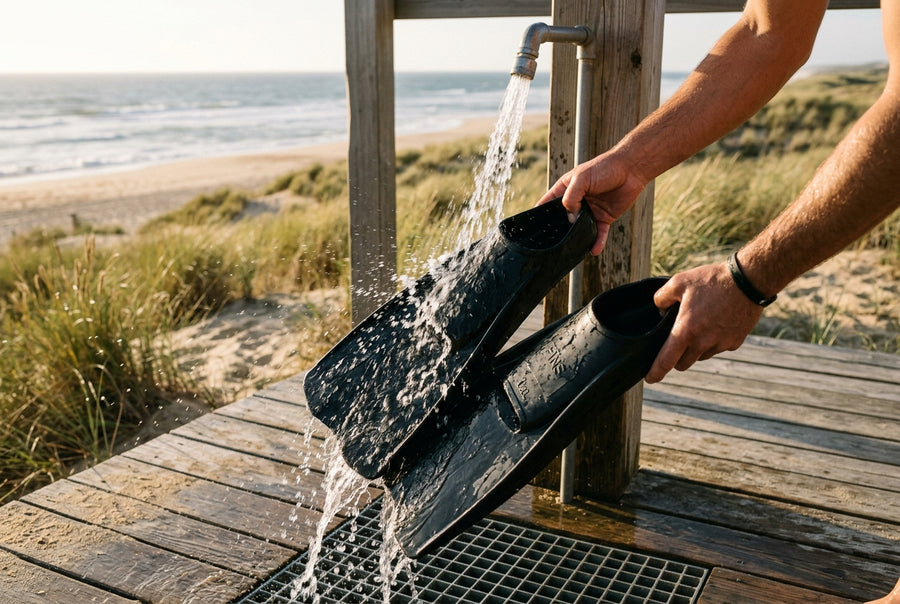
The care that doubles the lifespan. A well-cared-for pair lasts 3 to 4 seasons. Badly rinsed and left in the sun, it does not make it through the summer.
- Rinsing your fins in fresh water after every session remains the step that pays off most: salt crystallises in the rubber and softens it for good.
- Dry them in the shade, never in full sun or in a closed car boot. Heat deforms the blade irreversibly.
- Store them flat or hung up by the foot pocket, with nothing resting on top.
- A little talc in the foot pocket at the end of the season stops the rubber sticking to itself.
FAQ, frequently asked questions about bodyboard fins
What is the difference between symmetrical and asymmetrical fins?
Symmetrical fins have the same shape for both feet: they are interchangeable, versatile and ideal for starting out. Asymmetrical fins are different for the left foot and the right foot, offering better propulsion and grip in the wave. They are preferred by intermediate and expert riders, particularly for prone.
Stiff or soft fins for a beginner?
To start out, choose soft fins. They demand less muscular effort, reduce the risk of cramps and let you get used to kicking gradually. Stiff fins are aimed at regular riders looking for more power and acceleration.
How do you choose your fin size?
Start from your usual shoe size. The fin should hold firmly without squeezing the foot: heel well seated, toes with no pressure. Between two sizes, take the smaller one. If you wear neoprene socks, take a size up. Sizes vary between brands, always check the official chart.
How long do bodyboard fins last?
Good-quality fins, well looked after, last 3 to 7 years on average depending on how often they are used and the conditions. Rinse them in fresh water after every session and store them away from sun and heat to extend their lifespan.
Can you use swimming fins for bodyboarding?
No, it is not recommended. Swimming fins (long pool fins) are too long, too stiff and not suited to the specific movements of bodyboarding. They can hinder your movements, tire your legs quickly and do not provide efficient propulsion in the waves.
Try before you buy, that is the whole problem with fins
A bodyboard fin is not really something you choose from a product page. Two brands listed in the same size can fit a full shoe size differently, and that is exactly where the comfort of a two-hour session is decided.
Our two shops, in Hossegor and Carcavelos, exist for that too. You can try the models there with your own neoprene socks, walk a few steps in them and compare two brands side by side. The team is made up of riders who ride the Landes spots all year round, winter included, when the question of socks stops being theoretical.
If you order online, tell us your usual shoe size and how you ride in the order comments, and we will check the fit before shipping.
Completing your kit: our other guides
Bodyboard size guide
The navel test, the table by weight and height, conversions in centimetres and a size calculator.
How do you choose your wetsuit?
Neoprene thickness by water temperature, sizing, seams and the finishes that make the difference.
How do you choose your bodyboard?
PE, PP or NRG core, slick, stringer, shape, tail, level and budget: every criterion explained, with the brands' ranges.
Discover our selection of fins
Ready to choose your fins? Find all our bodyboard fins, tested and approved, for every level and every condition.
To go further with your kit, see our guide how to choose your bodyboard, our comparison of the best bodyboard fins, or browse straight to our bodyboards and our bodyboard leashes.
See our bodyboard fins